-
Vitkin Wine Dinner at Herbert Samuel and July 2020 Winery Visit
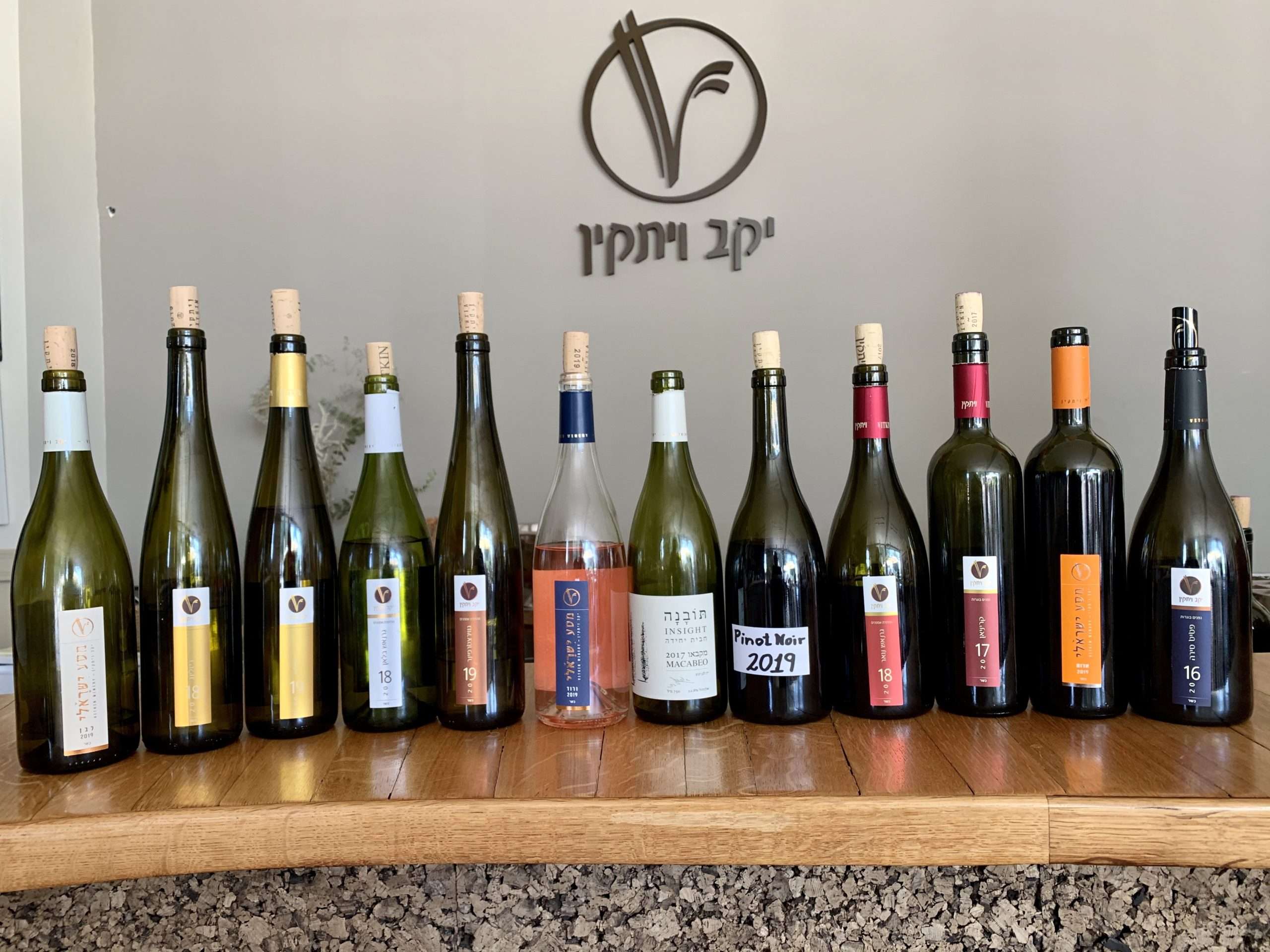
This post has been a long time coming. Months actually. I returned from my last trip to the US at the very end of February and the very next open week night – I think it was March 1 – I attended another wine dinner at Herbert Samuel in Hertzlia, this time for Vitkin. I had every intention of writing about the experience, but before I could publish, the Corona pandemic hit in full force – and quite frankly it just seemed out of place especially as the restaurant was and (as of this writing) still is on hiatus. But a few weeks ago, things seemed to be going in the right direction, and I started scheduling visits to wineries to taste through the current releases – and Vitkin was of course on my list. How could it not be? Since its transition to kosher five years ago it has consistently put out good to excellent wines vintage after vintage at all price points. So the time has come to write up both my most recent visit and the dinner I attended in March which featured some different wines.
Dinner at Herbert Samuel – March 2020
First – while I have written about Chef Mor Cohen and Herbert Samuel in the past, something has become clear to me. In the last year, I have been invited to four or five winery dinners taking place at Herbert Samuel. It is clear to me when the winery really works with the chef to tailor the menu to the wines AND the wines to the menu. I have refrained from writing about the less successful pairings as it’s really not fair. Some wineries are better at creating this type of experience than others – and neither the winery nor the restaurant should be penalized when a winery simply is not as good at others in putting something like this together. What I can say here, though, is that both the chef and the vintner were in absolutely lockstep. Vitkin produces more whites than reds – and the menu was carefully designed to highlight those whites – not at the expense of the reds but in a really well thought out progression. While there are elements of certain dishes that I had tasted before – some off their regular menu, and some at other winery dinners, each was matched to the wines perfectly.
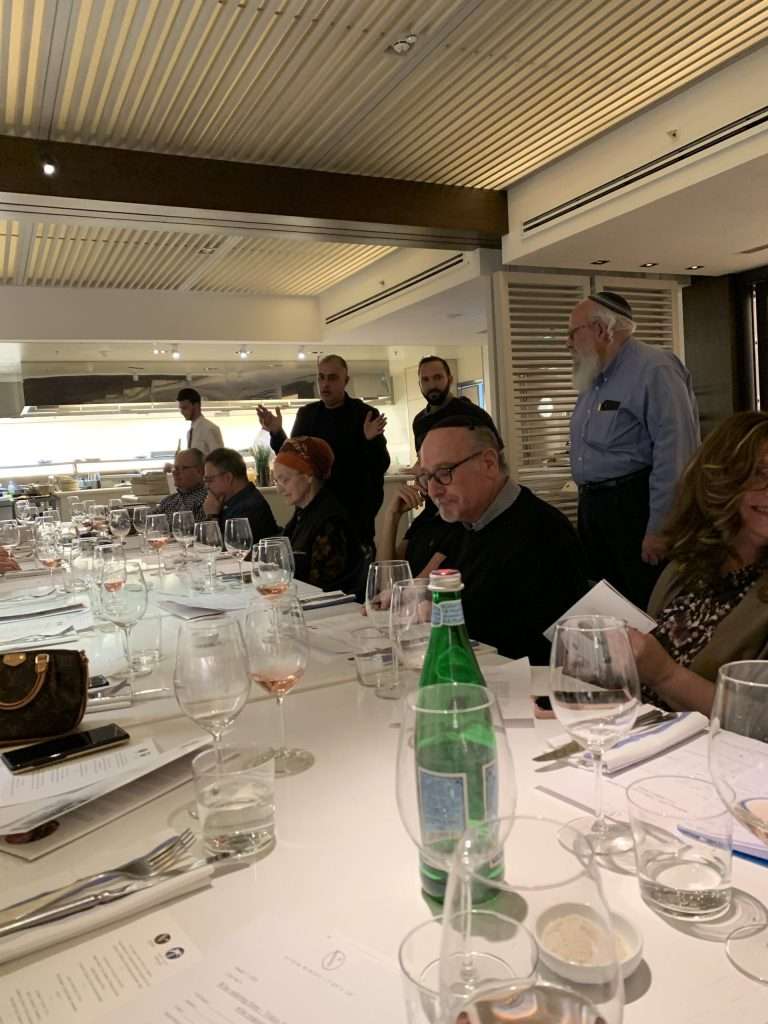
Assaf Paz, Mor Cohen and Simon Jacob giving the introductions One other thing – the sheer number of wines that were present at this dinner just added to the absolute festive feeling here. Many dishes had two wines to accompany it. We often talk about pairing wines in two possible ways – either to counter/balance the flavors in the dish being served (for instance when someone will serve an off dry white to balance out spicy Asian fare) or to reinforce the flavors found in the dish. Here when two wines were served, it was so that one could experience both pairing philosophies with the same dish. Not an easy task for chef to have dishes that will go with this varied a selection – and of course it speak volumes about the winery and winemaker that such a deep variety of quality wines are on hand to accompany a meal like this with ease and often with multiple choices. I often talk about the absolute uniformity of many Israeli wines – especially reds. Winemaker Assaf Paz of Vitkin of course proves that this does not have to be the case.
Share This:
Like This:
carignan, Gewurztraminer, Grenache Blanc, Grenache Noir, Insight, Israeli Journey, Late Harvest Gewürztraminer, Macabeo, Petite Sirah, Pinot Noir, Reisling, Riesling, Shorashim, VitkinNo comments on Vitkin Wine Dinner at Herbert Samuel and July 2020 Winery Visit -

RCC Israel # 36 – Av 5780
Share This:
Like This:
1060, Blanc de Blancs, Cabernet Sauvignon, Dalton, Elvi, Elviwines, Fine Ruby, Flam, Forest, GHW, Golan Heights Winery, Har Odem, Herenza, Herenza Reserva, Iberian Dream, Matatia, Merlot, Netofa, Noble, Petit Verdot, Port, Recanati, Reserva, Reserve, Rioja, Rioja Reserva, Special Reserve, Yaacov Oryah, Yarden, Yatir -
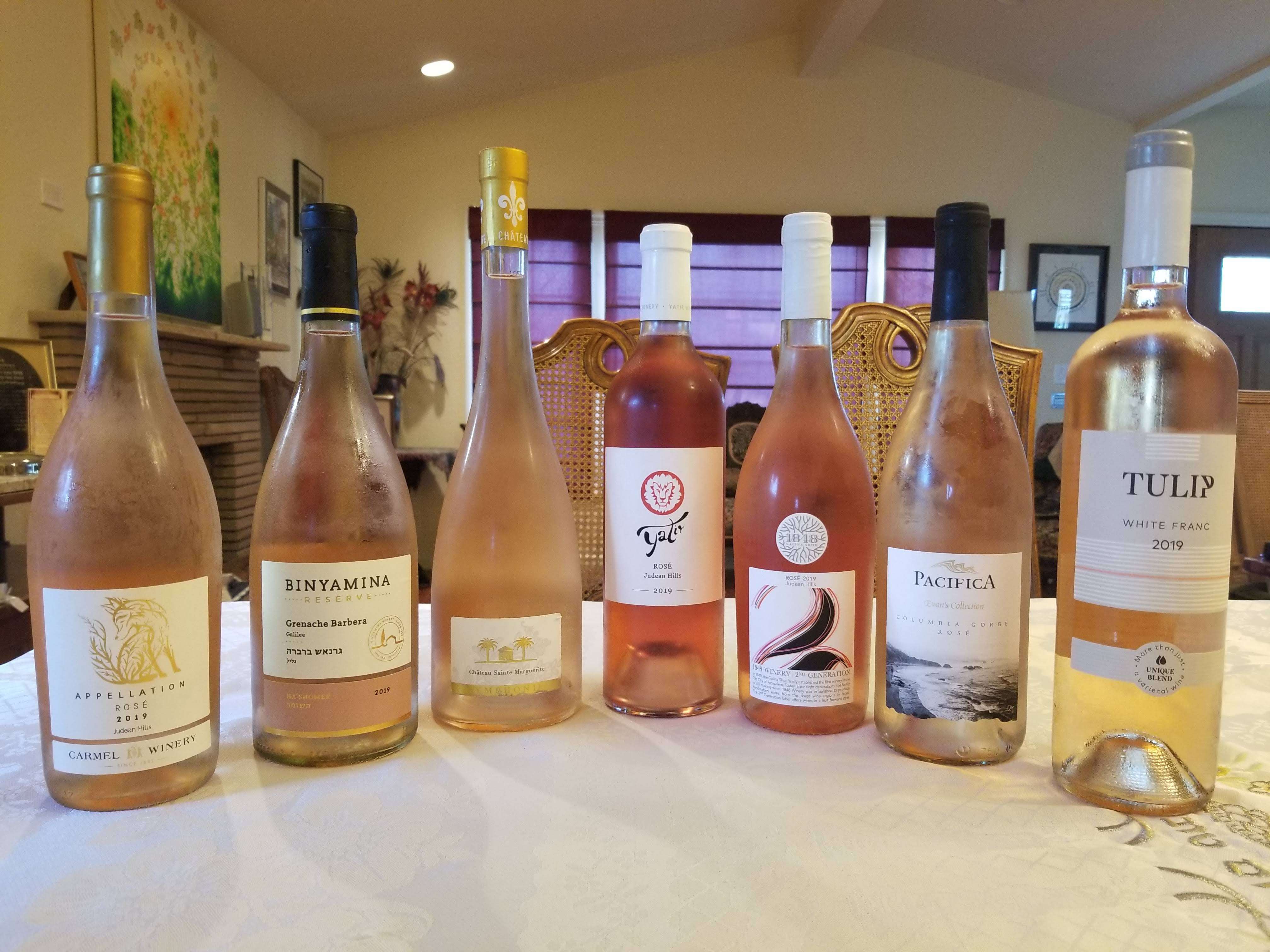
The first Rose QPR WINNER, along with two other QPR Winners, and even more roses and whites from 2019, and a few Sparkling wines as well!
Share This:
Like This:
1848 Winery, 2nd Generation, Alma, Appellation, Barbera, beret, Binyamina Winery, Brut, Brut Nature, Carmel Winery, Chablis, Chardonnay, Chateau Les Riganes, Chateau Sainte Marguerite, Coral, D vs G, Dalton Winery, Domaine Netofa, Don Ernesto, Drappier, Essence, Five Stones, Goose Bay, Grenache, Hagafen Winery, Hajdu Wines, Herzog Cellars Winery, Jerusalem Hills, Judean Hills, Le Classique, M Series, Pacifica, Pascal Bouchard, Pinot Noir, Prix Reserve, Recanati Winery, Riesling, Rose, Sauvignon Blanc, Shirah Winery, Tasting Room Reserve, Teperberg Winery, Tulip Winery, Vermentino, Viognier, White, White Franc, Yasmin, Yatir Winery -

Netofa’s 2020 Lineup
Share This:
Like This:
-
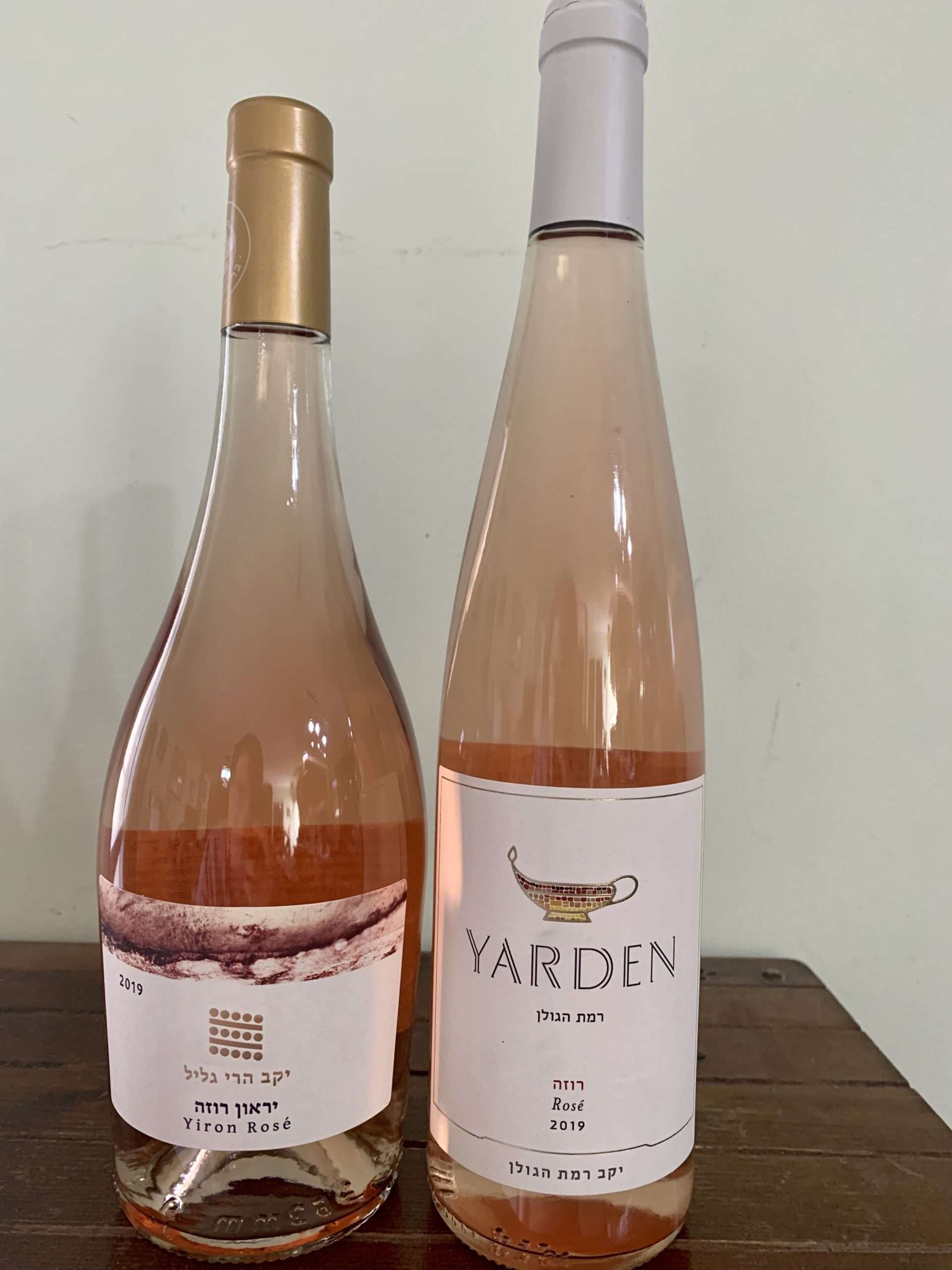
2 Sister Wines with the Same Bottom Line
Share This:
Like This:
-
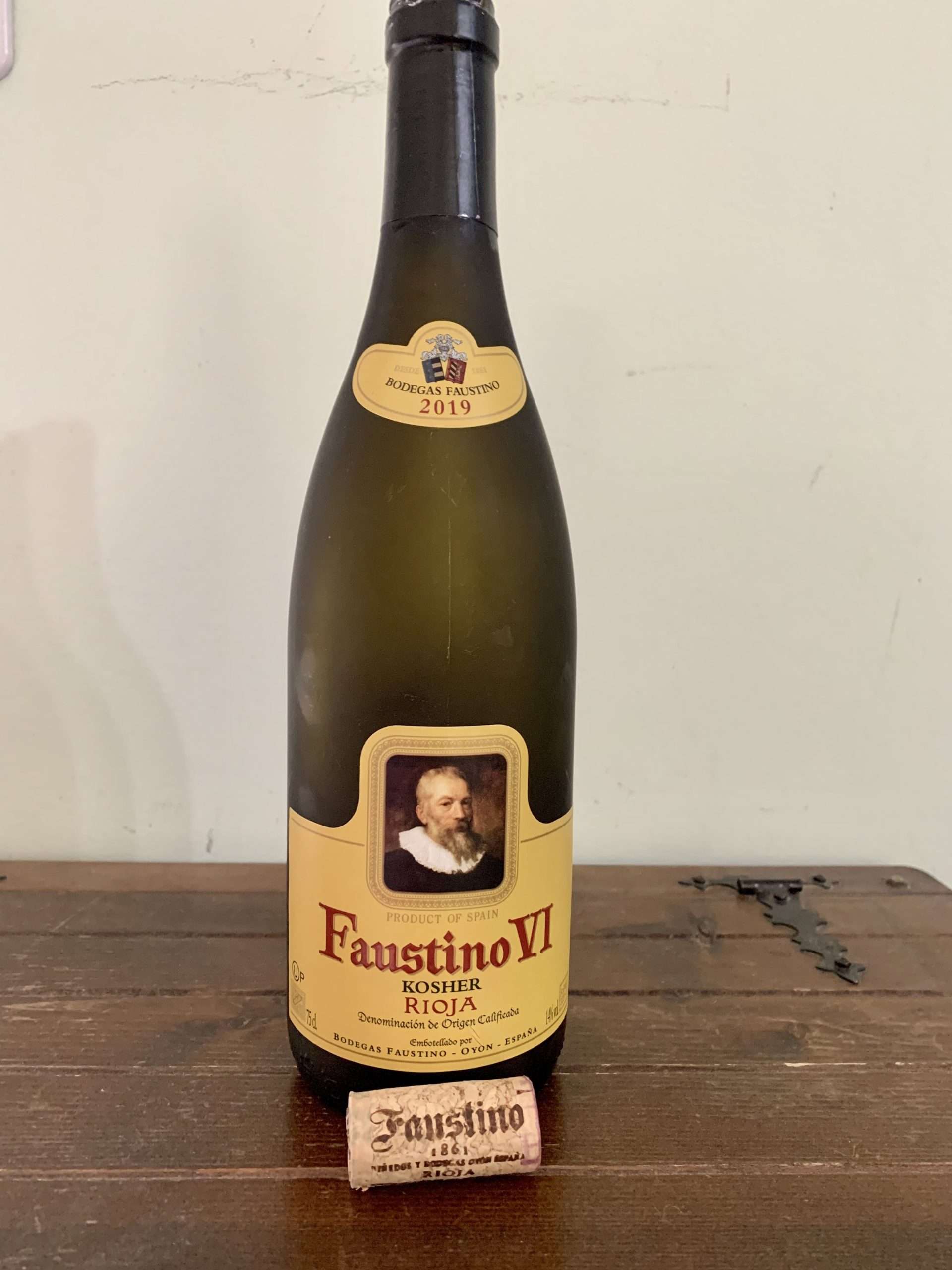
2019 Faustino VI Rioja – and example of what is right… and wrong with Egoz-Muscat
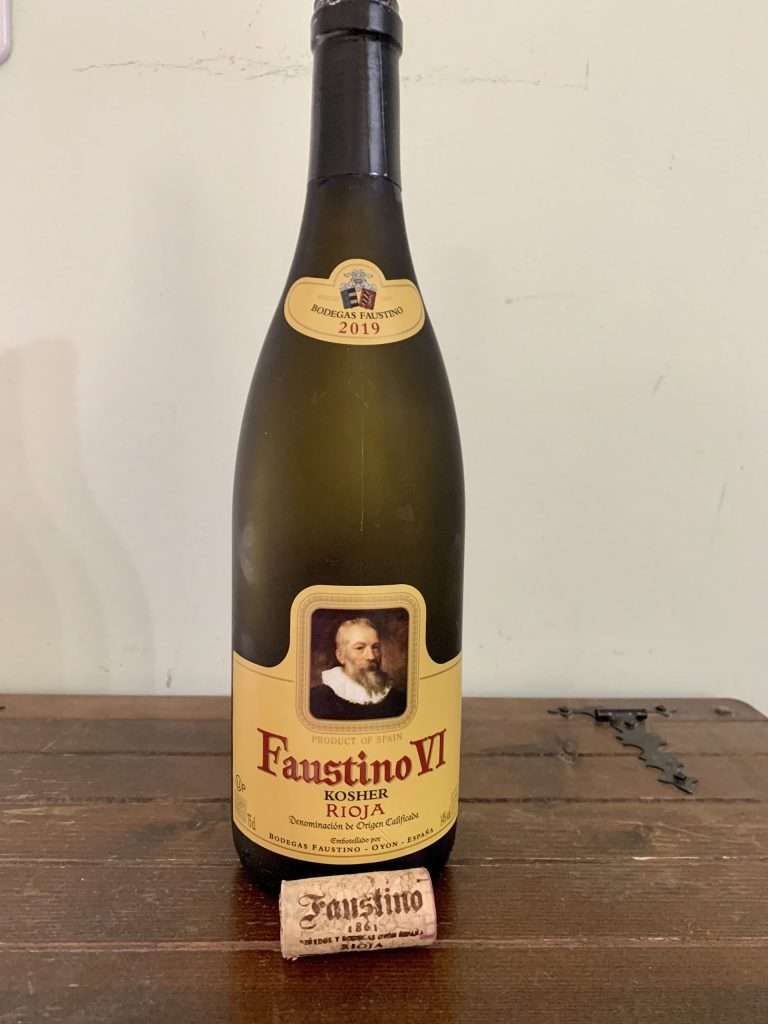
Readers of this blog know I am a huge fan of the Tempranillo grape. I can appreciate it in almost any style from every-day drinking Elvi semi-crianza Herenza Rioja to the upscale Herenza Reserva, from the big bold Israeli 2016 Netofa Dor to the beautifully refined Yaacov Oryah 2011 Iberian Dream series. I have liked it as a straight red and I have liked it as a rosé. When made with a little care it always does the trick for me. The most famous expressions of Tempranillo are Riojas from Spain. They are found in the most exclusive wine shops, where certain Riojas can last every bit as long and age just as well as wines from the best châteaux in France. The base level Riojas, though, are found in just about every supermarket as an affordable everyday table wine. Until Elvi’s semi-crianza made its way into the Israeli supermarket chains last year, Riojas were simply not available unless you went to a wine shop. Now, Shaked’s kosher arm, Egoz-Muscat has further expanded what is commonly available by introducing the 2019 Faustino VI Rioja.
Faustino is a large and well known producer of Rioja. They make rosés (usually made of Tempranillo), and whites (made of viura – or as it more commonly known Macabeo). Their standard wines are divided into three categories – their highest end wines are usually in the Faustino I line – their Gran Reserva Rioja red wines. The mid-range is Faustino V – the Reserva red Rioja and a higher end white and rosé. Their lowest range is Faustino VII – which has their regular red Rioja as well as a white and rosé. In recent years they have added a few wines that are not included in their Roman numeral system, like a Rioja Crianza, an organic Rioja, a number of Chardonnay releases.
So what is the Faustino VI? It appears to be the same grade wine as the Faustino VII – it is a basic Rioja that has undergone no more than six months of aging (hey, it’s a 2019 and has been released here in Israel for about 2 months already – meaning at the latest, March of 2020). It appears that every now again, one-off special production runs of their Faustino VII are released as Faustino VI (a quick web search indicates that there was Fasutino VI release in 2016 that looks like it was done for a specific supermarket etc.) – and so we have the Faustino VI Kosher Rioja. In fact, outside of the number being VI instead of VII and the addition of the word Kosher, the label seems to be identical to the standard Faustino VII release.
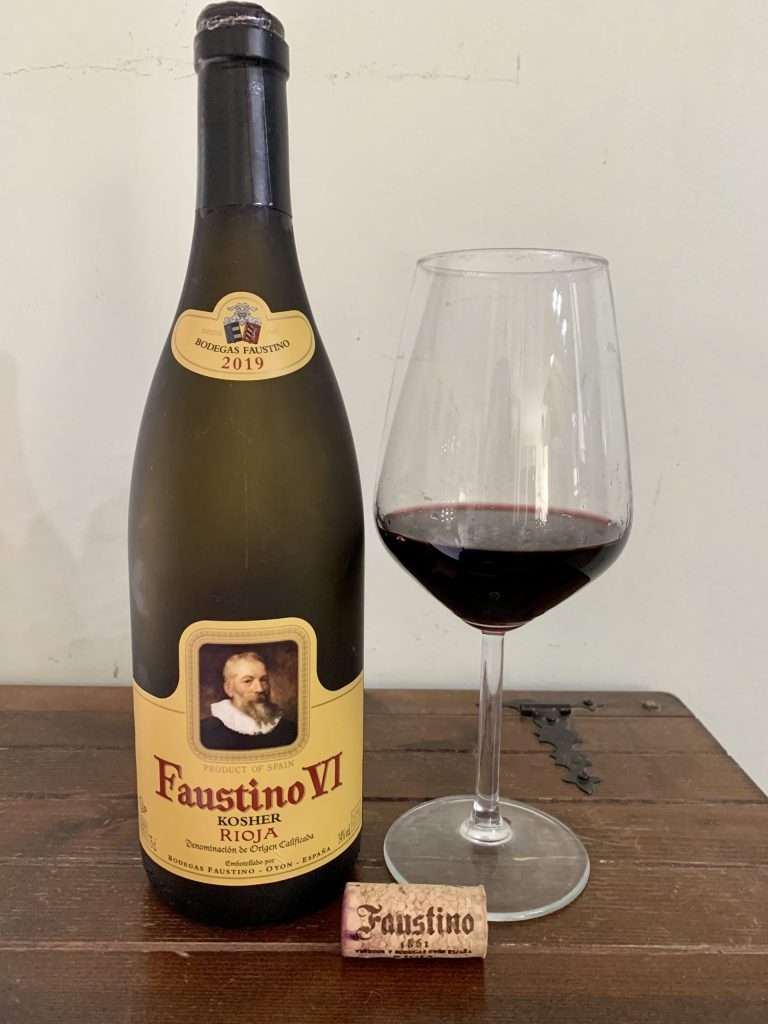
The nose here is what you would expect: red fruit for the most part and a touch of mushroom. In the mouth, some red cherry, some mushroom, a hint of pepper at the back end. Overall, the wine presents old world in style. Now this is not a wine with a lot of depth, but it is – and I hate using this term – a really easy drinking wine. We opened this bottle with another couple on the night of Yom Yerushalayim. I was not really expecting much, but I was pleasantly surprised, not because it was a blow your mind kind of wine, but at j how the bottle just magically disappeared over the course of about thirty minutes. This is EXACTLY the kind of wine you want as an everyday bottle to accompany dinner. While Rioja wines can age, this wine is clearly meant to be drunk young. It doesn’t have the structure to really hold it together for more than a couple of years IMHO. But who cares. This wines is not meant for that.
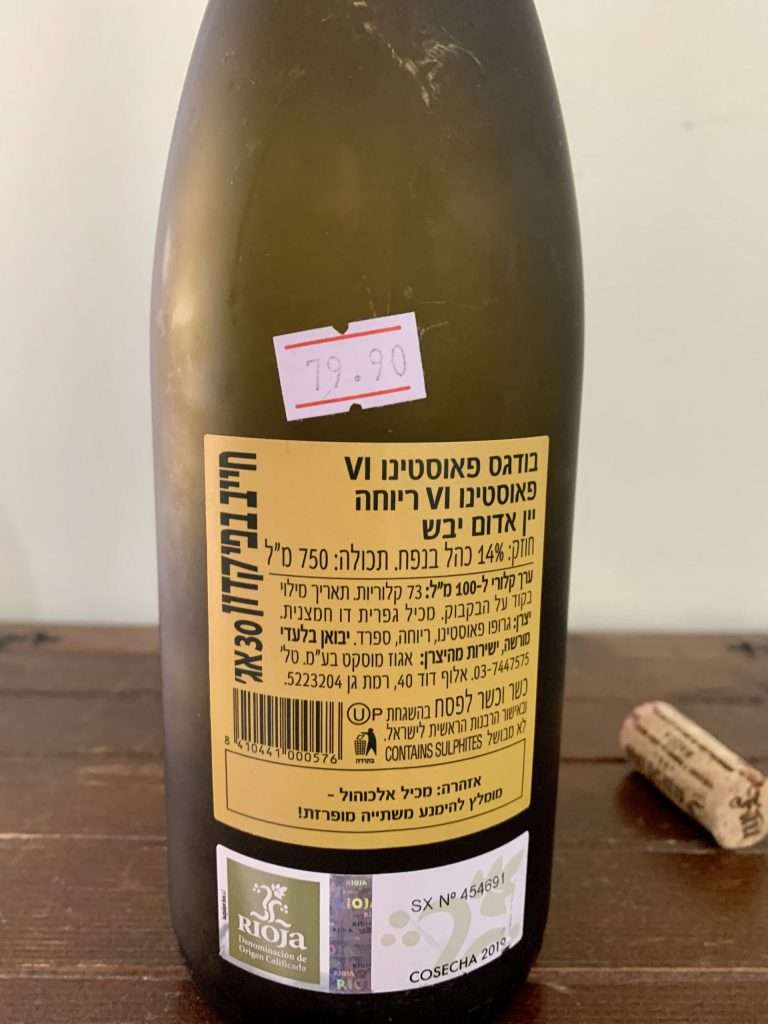
And here’s the problem. Clearly the suggested retail price is OUTRAGEOUS for a wine that is probably meant to be drunk in the next 12-24 months. At Supersol, it is marked as NIS 75.99. At Derech Hayayin (one of the large wine store chains) the regular price is a whopping NIS 79.99!!! Now to be fair, Derech Hayayin has a 2 for NIS 130 deal so you get it for NIS 65 a bottle. And, HaYevuan, a liquor store primarily based in Jerusalem (they have 2 other branches, 1 near Holon and another near Rechovot) has them for NIS 55. So clearly there is room here for the individual retailers to lower their prices and still make a profit. But let me explain where the wine SHOULD be priced. In Israel, with no specific deal, the Faustino VII sells for between NIS 41-43 – on sale I have seen it for as low as 38 – and quite honestly, this is within the range of how this wine is priced worldwide. Add 2 Euro for kashrut and you end up at NIS 49-51. So Hayevuan has this priced right. But that’s simply not the average price. While Egoz-Muscat doesn’t publish suggested retail prices, based on the fact that Supersol and Derech Hayayin both have a list price at NIS 75-80, one would have to assume it’s not LESS than that. So what’s going on? I really don’t understand it! Were it priced where it should be, this is a wine I would be drinking a few times a week! I can’t figure out what Shaked/Egoz-Muscat’s goal is here, besides turning a profit. They clearly are trying to expand their kosher offerings – and this wine, from a major producer is certainly a step in the right direction – but come on! I can’t figure out why they wouldn’t just sell the hell out of this wine – just move bottles and get to the next vintage and do it again, and again. Now my prediction is, this wine will likely sit on shelves, and then finally get discounted to where Hayevuan is selling it. But that is NOT going to get supermarkets to re-up next year……
Share This:
Like This:
-

We have a new white wine QPR WINNER and some other roses
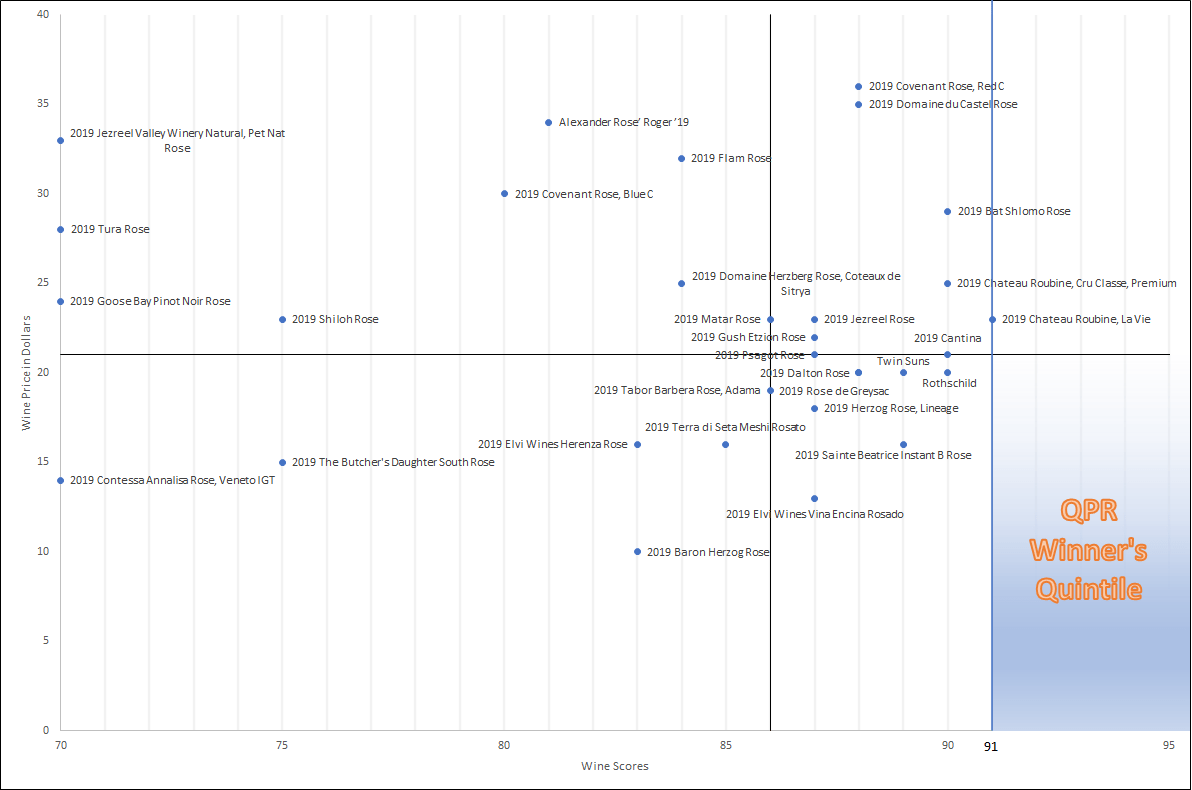
Another week and another batch of white and rose wines to enjoy. The summer is quickly approaching and while we have yet to find a single QPR WINNER in the world of kosher 2019 roses, we have some new entries.
QPR (Quality to Price Ratio) is the non-qualitative score I have been giving to wines recently. In my last update to QPR, a week after I posted the QPR revised methodology, I defined the QPR score of WINNER. A QPR score of WINNER is defined as a wine that scores a qualitative score of 91 or more, a score I define as a wine I would buy happily while also being a wine that is cheaper than the respective median wine category.
This week we have a mix of 7 wines 3 whites and 4 roses. One of the whites I have already posted about, a winner of the QPR GREAT score, the 2018 Koenig Riesling, Alsace. The wine is lovely and well worth the effort to find it and buy it.
However, the absolute clear QPR WINNER of this week’s post is the FIRST 2019 wine that gains the QPR WINNER title! Bravo!!! The wine is the 2019 O’Dwyers Creek Sauvignon Blanc. The 2018 O’Dwyers Creek Sauvignon Blanc was not a wine I liked while the 2017 O’Dwyers Creek Sauvignon Blanc was a solid WINNER, even when we did not have the WINNER QPR category at that time.
NOTE: I state the 2019 O’Dwyers Creek Sauvignon Blanc is the FIRST 2019 WINNER because even though the 2019 Herzog Sauvignon Blanc, Lineage, I listed in my last post, it is not actually available yet.
The 2019 Domaine Netofa Rosado, Latour, is another wine that got close to WINNER status, yet sadly, it did not. A nice wine, but with the price and score it received a solid QPR score of GOOD.
In an interesting twist, the Domaine Netofa Rose, which comes in at 7 dollars below the Latour Rose price, is not as good but given its price is below the Median for rose wines it has a better QPR score. There lies the issue of cost! Either we are going to bend to the needs of higher quality at all costs or we will go with slightly lower quality for less money. Sadly, for 2019 Roses that is LITERALLY our story! There are NO QPR WINNER roses, at least so far, 2019 is one of those years. The rest is a hodgepodge of QPR scores.
I continue to stand by my opinion that 2019 is one of the very WORST vintages for white and rose wines in the last 10 years for Israeli wines. I continue to dream of the 2013/2014 vintage for Israeli whites. Some of the very best Israeli whites came from the 2013/2014 vintages. Yes, I have not had as many of the 2019 whites and roses from Israel, as I would normally have had by now, sadly, the current circumstances do not let me do that. There are many roses still in France and Israel that I have not had, but of the ones I have had from Israel so far, I am fine with my statement.
Roses, so far this year have been an absolute letdown and honestly, without a SINGLE QPR WINNER in roses and 8 QPR winners in whites, it is clear as day to me that white wines are the way to go this summer (and the 19 days from now before that)!
The wine note follows below – the explanation of my “scores” can be found here and the explanation for QPR scores can be found here:
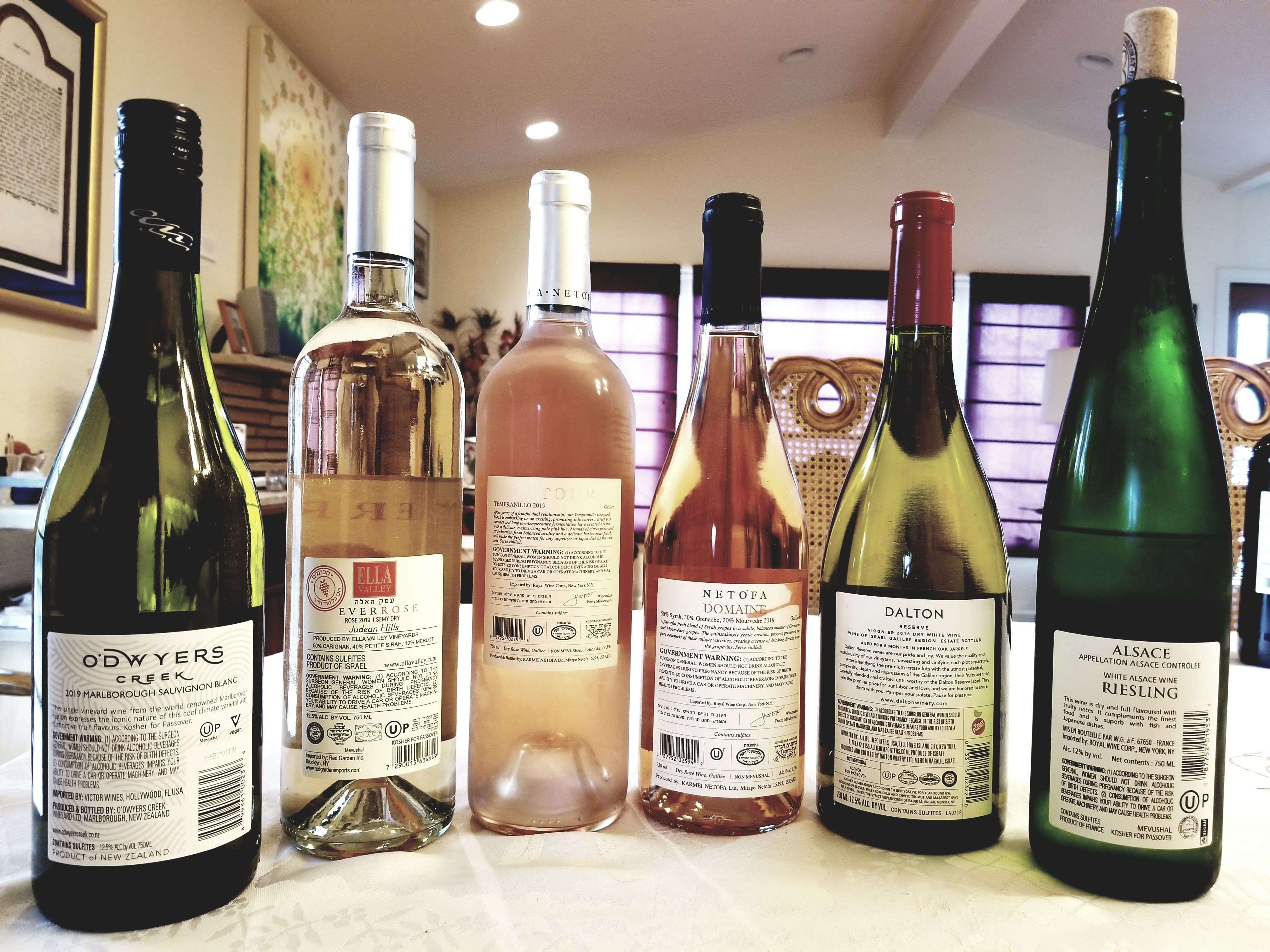
2019 O’dwyers Creek Sauvignon Blanc – Score: 91+ (QPR: WINNER) This wine is in the 2nd quintile of quality scoring and it is below the median price line, so this wine SHOULD get a score of GREAT for QPR. However, it is ALSO one of the few white wines that score at least a 91, and that has a price that is below the median price line, so this wine gets the coveted score of WINNER for QPR. Bravo!!! Lovely notes of passion fruit, incredible cat pee, gooseberry, and loads green notes for the cat to pee on, with incredible saline, such a wonderful and classic New Zealand nose. This is a very fruity, yet extremely well-balanced New Zeland Sauvignon Blanc, it is more tropical than the 2018 Goose Bay Sauvignon Blanc, but also more New Zeland – in nature. The mouth on this medium-bodied wine is lovely. well balanced, with good acidity, extremely refreshing, with loads of grapefruit, guava, passion fruit, lemon/lime, and lovely loads of crazy tart gooseberry, and incredible slate. The finish is long, green, with lovely salt, intense saline, rock, and more citrus. Bravo! Drink until 2024.
Share This:
Like This:
-

Easy drinking white wines for 2020 – better than I expected
Well, the roses from the 2019 vintage, so far, are not inspiring, and initially, I thought the same for the white wines, thankfully, as I tasted through the last 15 bottles of wines things shifted. There is a reason why I have been pushing Price in relation to its quality, AKA QPR (Quality to Price Relationship).
For this tasting, I tasted more than 70 wines, however, I posted only some 49 wine notes here. Rest assured, the others were either not worthy or I did not have detailed enough notes to make it here on this post.
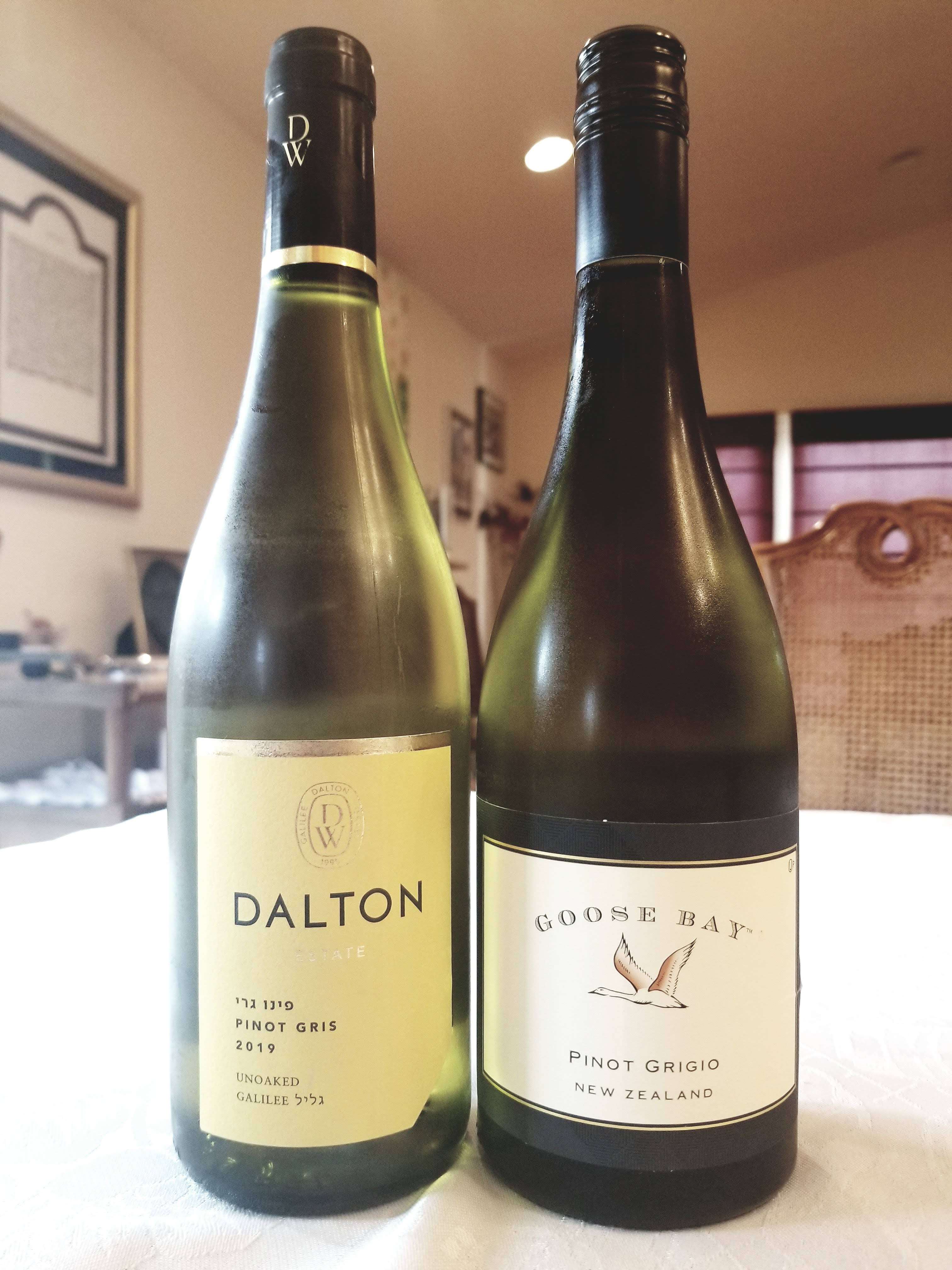
Interestingly, initially, I had zero hope for the white wines, much as I felt about the roses. However, all of this is data-driven and other than my wines notes, the rest is all prices defined by the USA market. The more, I tasted, the more I felt that there are options in the simple white wine category. I was really ready to give up hope, but thankfully, folks like Shirah, Kos Yeshuos, and other Europen wines really pulled their weight. Sadly, of the top 27 wines, there were a total of 11 from 2019. Of them, only two were from Israel. The rest hailed from California, France, and New Zealand. In the end, so far, the vast majority of the Israeli white wines I have tasted from 2019 are also highly uninspiring.
With that said, the median price for the wine category of non-aging white wines is going up! There lies in my over-arching issue, prices keep going up!! The median price for non-aging white wines, here in the USA, is now 24 dollars! Seriously!! COME ON!! This is crazy! As the kids say, total Cray Cray! Turned around, the total number of wines below the median price of 24 dollars that received a 90 or higher was 12, and many of those are our QPR WINNERS. Overall, 2019 is still a dud in Israel, of those that have made their way to the USA, and Califonia is saving the day, so far.
All the wines here are scored both quantitatively, AKA using my classic wine score described here, and using the newly revised QPR score described here. So, yes, there will be more of the QPR discussion that will arise from this post. Thankfully, we have a good number of wines, 7 from my count, that received the QPR score of WINNER, sadly, they are mostly from 2018. Therefore, I repeat again, I am highly unimpressed with how many 2019 white wines I had and how many are subpar. Please be careful with the ones you buy.
Finally, in order of price, the first of the 7 QPR WINNER wines come in at wine #38, sorted by price! That means there are loads of other wines far less interesting than the 2018 Ramon Cardova Albarino, the most expensive of the 7 WINNER QPR wines. This is the kind of data that makes me scream. This is what needs to change! Wineries are willing to produce wines that are more expensive and less interesting, than more than HALF of the wine I tasted! This is what needs to change, kosher wine has gotten out of control, price-wise.
Do yourself a favor, check the price, you do it for everything else you buy! Check the wine, check the price, and then decide!
The wine note follows below – the explanation of my “scores” can be found here and the explanation for QPR scores can be found here:
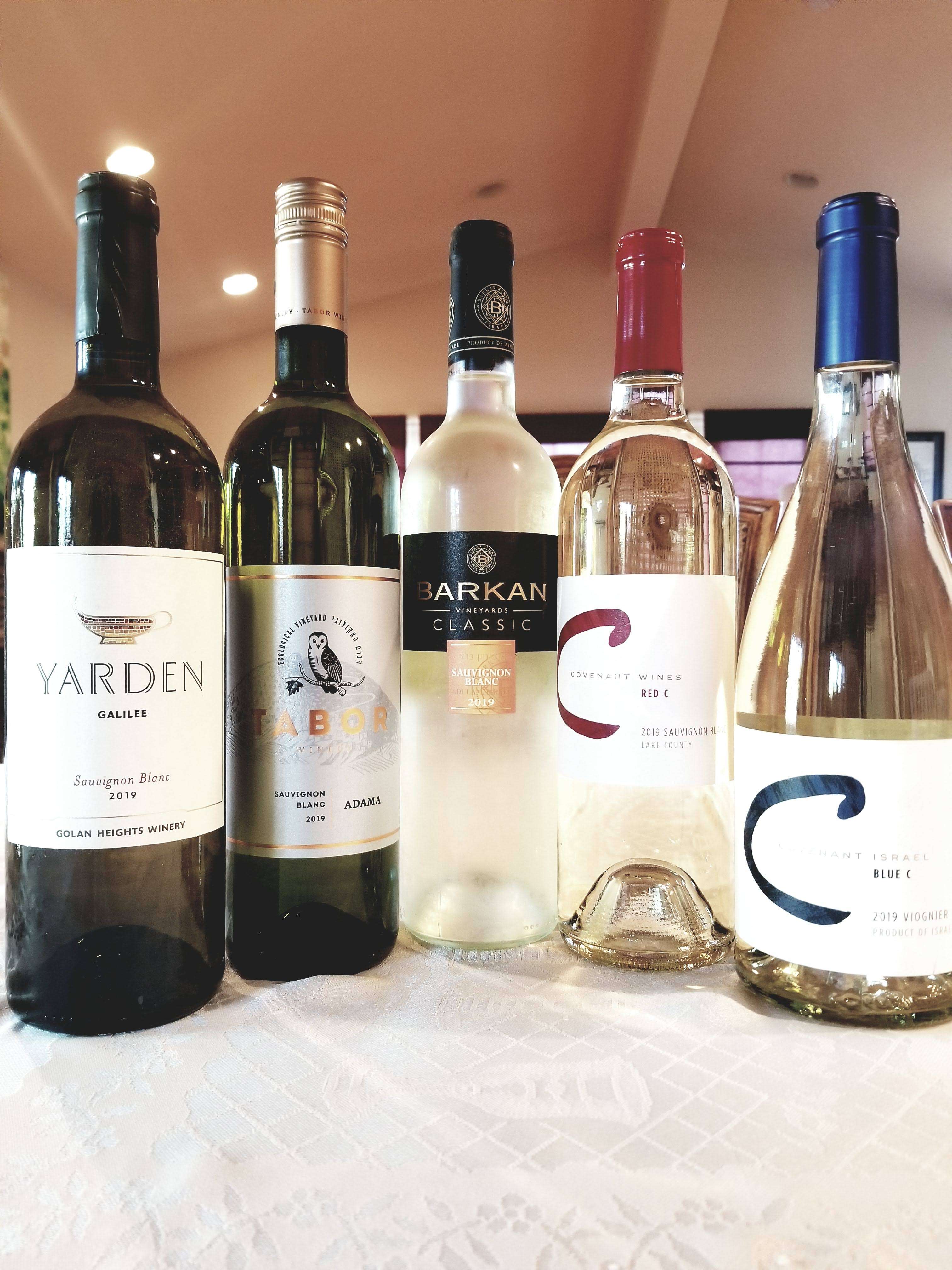

2018 Ramon Cardova Albarino, Rias Baixas – Score: 92 (QPR: WINNER) This wine is in the 2nd quintile of quality scoring and it is just below the median price line, so this wine SHOULD get a score of GREAT for QPR. However, it is ALSO one of the few white wines that score at least a 91, and that has a price that is below the median price line, so this wine gets the coveted score of WINNER for QPR. Bravo!!! The 2018 vintage of this Albarino, in its second vintage, shows less tropical and ripe than the first vintage, 2017. This bottle also had the thermal active label, and it shows up when the bottle is at the proper drinking temperature. My only REAL and serious complaint is the cork, why would Royal waste the money and my money of a real cork? Use a Diam or any other amalgamated cork, like almost everyone else is. I really hope I do not hit a bad cork for the wines I have. The nose on this wine is better than the 2017 vintage, Lovely nose of rich mineral, with loads of straw, with which salinity, and lovely peach and dry pear, with honeysuckle, gooseberry, along with green notes galore. Lovely! The mouth on this lovely green and acid-driven wine has a more oily mouthfeel than the 2017 vintage, showing rich salinity, green olives, with lovely dry quince, green apples, more peach, green apple, but also with lovely lime and grapefruit, no sense of guava or melon-like on the 2017 vintage, with a tinge of orange notes. The overall mouth is lovely and it comes at you in layers. The finish is long, green, with gooseberry, tart fruit, with an incredible freshness, and orange pith, slate, rock, and incredible acidity lingering long. Incredible!! Bravo!! Drink until 2022.
2018 Hagafen Dry Riesling – Score: 91 (Mevushal) (QPR: WINNER) This wine is in the 2nd quintile of quality scoring and it is below the Median price line, so this wine gets a GREAT score for QPR. However, it is ALSO one of the few white wines that score at least a 91, and that has a price that is below the median price line, so this wine gets the coveted score of WINNER for QPR. Bravo!!! The nose on this wine is tropical and sweet fruit-focused, with pineapple, guava, melon, peach, but now THANKFULLY the petrol is in full gear, and it commands your attention, with the tropical fruit still very present, along with some nice mineral. The mouth on this medium-bodied wine is fun, tart, nice acidity, with more petrol funk, showing nice balance, with good acidity, still, the mouth is sweet and ripe, the petrol and tart notes help, with green apple, tart grapefruit, tart stone fruit, and slate galore, with waxy notes, and tart pineapple. The finish is long, green, with intense mineral, slate, flint, and lovely petrol that gives way to nice acidity, and hints of tannin. The wine has indeed come around and now petrol is more present and the hole in the middle is gone. Drink until 2024.
Share This:
Like This:
Adama, Albarino, Avi Feldstein, Barkan Winery, Blanc, Blue C, Bro Deux, California Kid, Carmel Winery, Chardonnay, Chateau de Cor Bugeaud, Classic, Coteaux du Giennois, Covenant Winery, Creek, Dalton Winery, Domaine de Panquelaine, Domaine Netofa, DvsG, Elviwines, Falanghina, Famitage, Five Stones, Flam Winery, Gewurztraminer, Goose Bay, Gruner Veltliner, Hagafen Winery, Herenza, Herzog Cellars Winery, Jacques Capsouto, Jean-Pierre Bailly, Joseph Mellot, Judean Hills, Koenig, Kos Yeshuos, Les Marronniers Chablis, Lineage, O’dwyers Creek, Pacifica, Pascal Bouchard, Pinot Grigio, Pinot Gris, Pouilly-Fume, Ramon Cardova, Red C, Riesling, Roussanne, Route Victor, Sancerre, Sauvignon Blanc, Segal Winery, Semillon, Shirah Winery, Shiran, Shoresh, Tabor Winery, Teperberg Winery, Triad, Twin Suns, Tzora Winery, Vintage Whites, Viognier, Vitkin Winery, White, Yarden Winery, Yatir Winery -
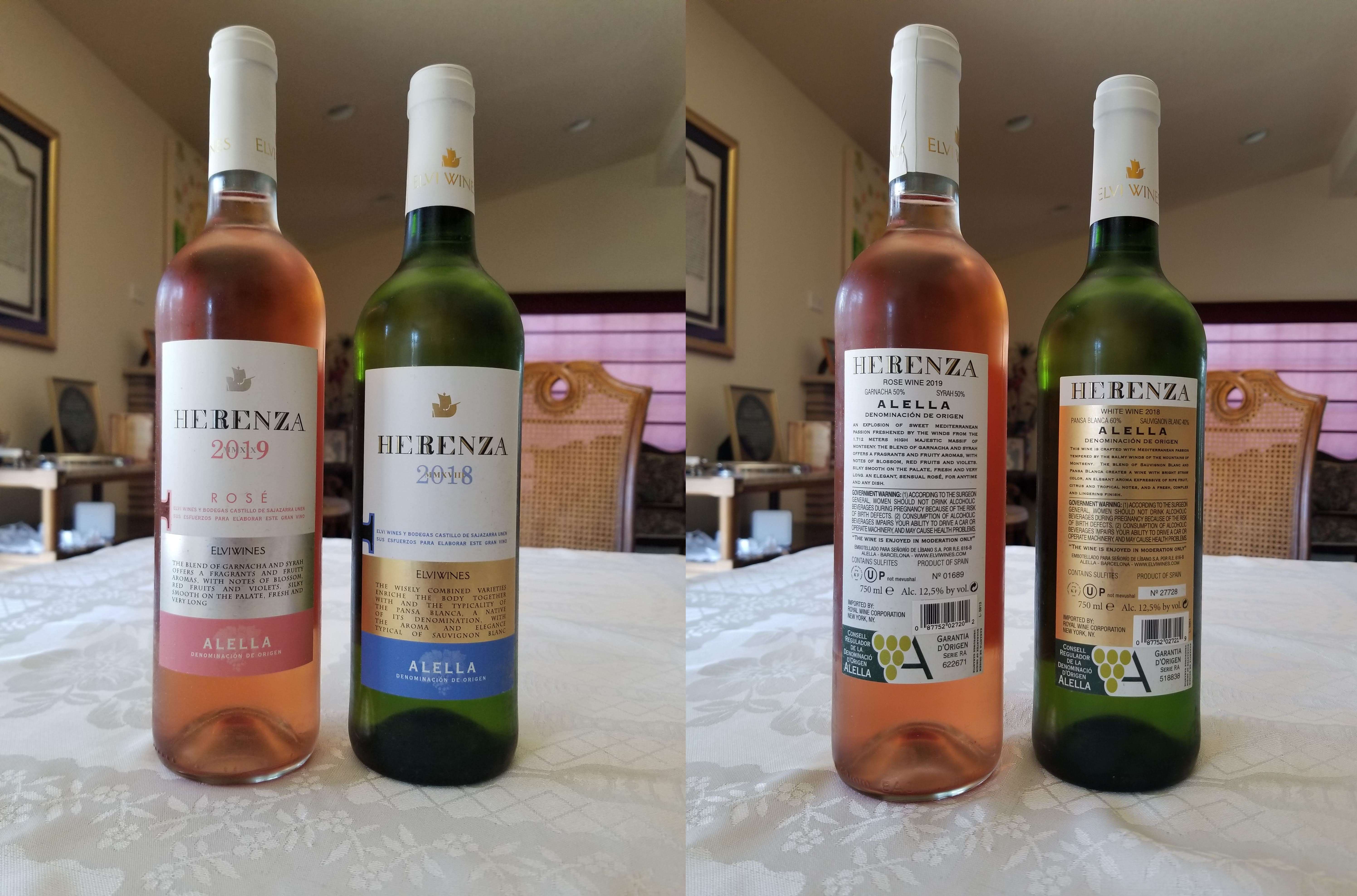
2018 Elvi Wines Invita – OOPS! I mean 2018 Elvi Wines Herenza White – the first white wine QPR WINNER of 2020
Share This:
Like This:
-
QPR Score revision 2.1, amended slightly with a new value – WINNER
Share This:
Like This: