-
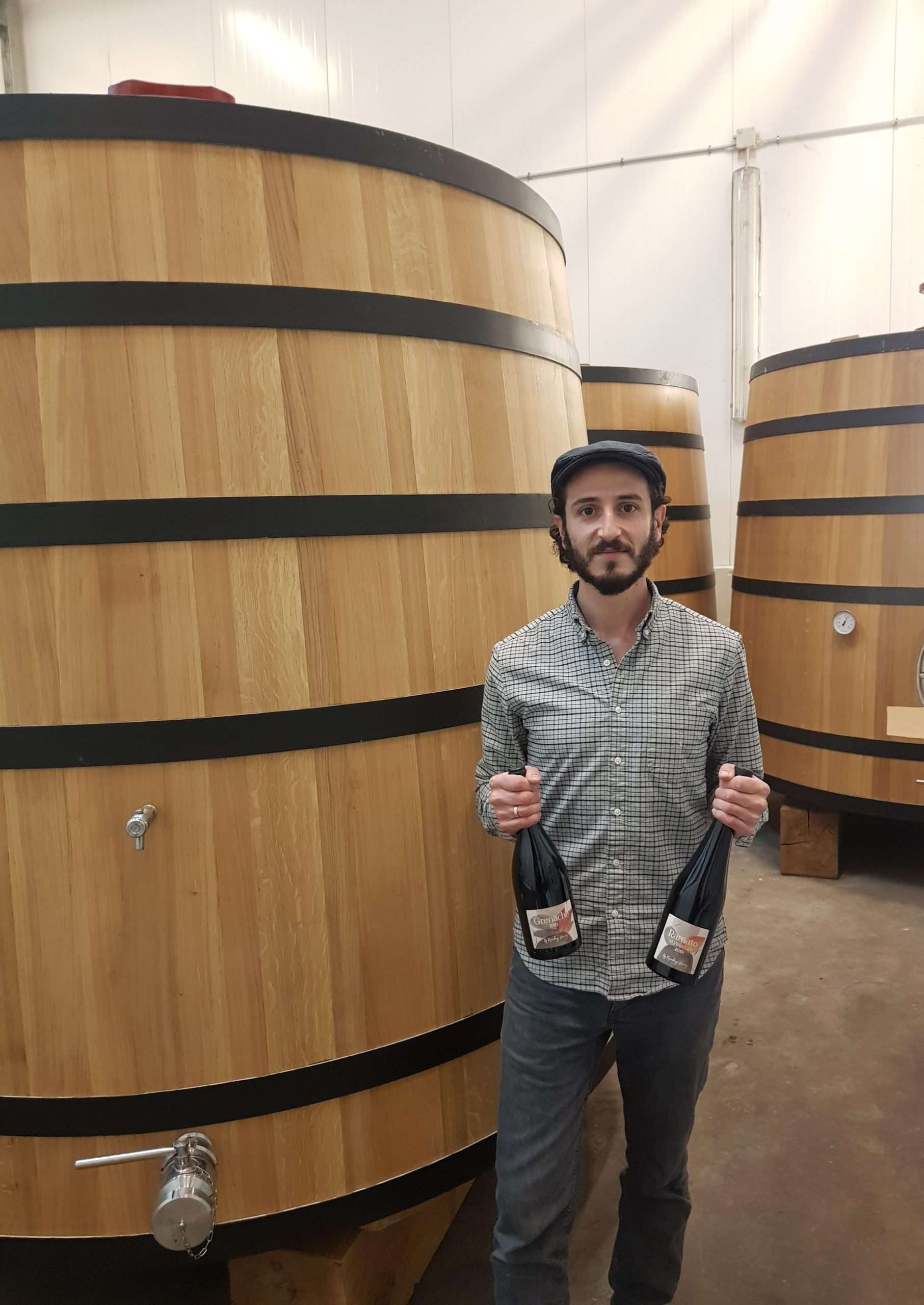
New Wines “by Teperberg Winery”
Share This:
Like This:
No comments on New Wines “by Teperberg Winery” -
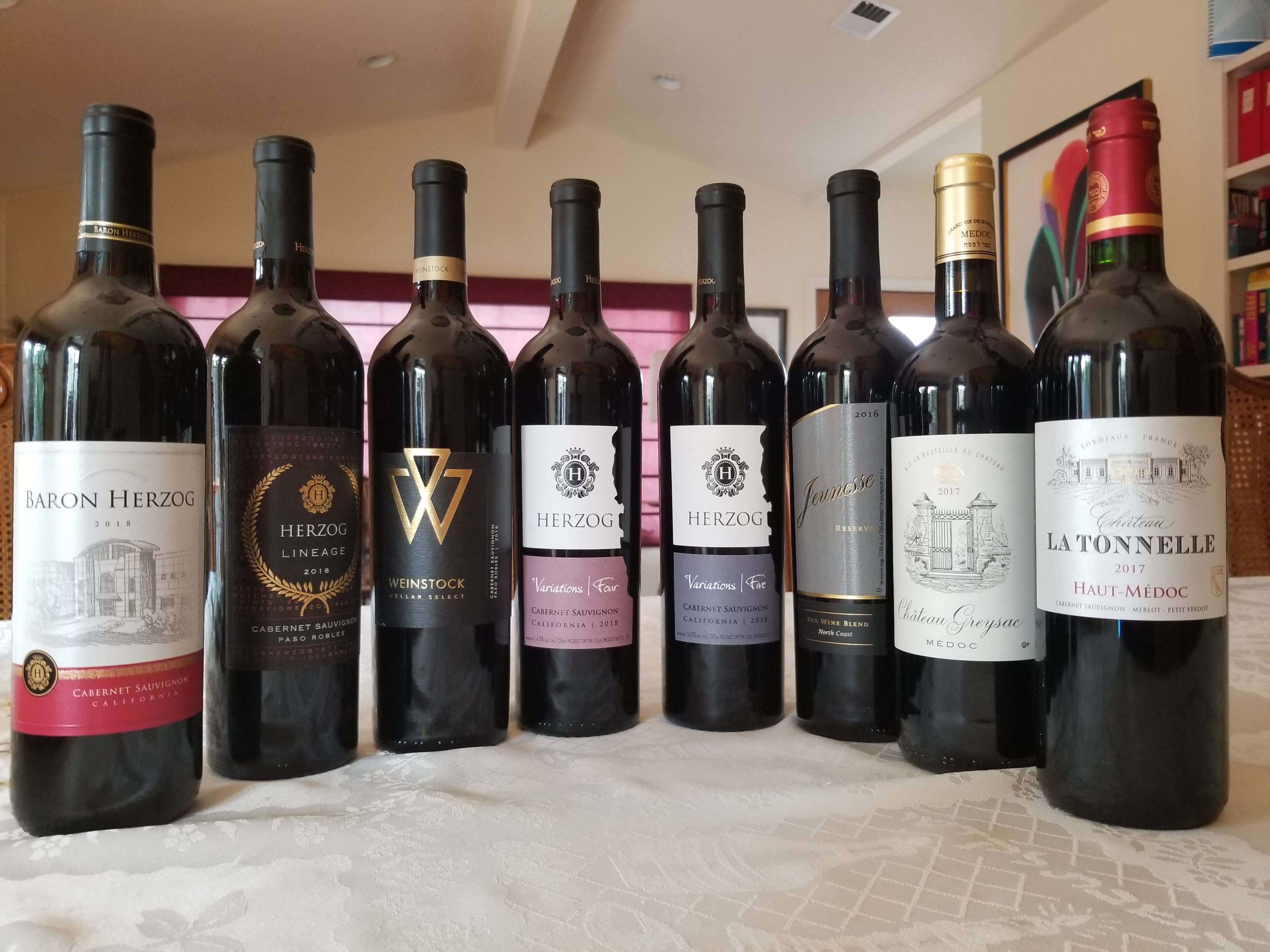
Sadly, simple kosher red wines are uninteresting and have poor QPR scores, for the most part
Share This:
Like This:
Adom, Baron David, Baron Herzog, Beaujolais, Blaye, Bokobsa, Bourgueil, Cabernet Sauvignon, Chateau Bois Cardon, Chateau Leroy-Beauval, Chateau Les Riganes, Chateau Mayne de Valence, Chateau Mayne Guyon, Chateau Roc de Boissac, Chateau Terre Blanque, Chateau Trijet, Château La Motte Despujols, Château Marquisat de Binet, Cotes de Bordeaux, Cuvee Abel, Domaine Netofa, Elviwines, GSM, Haut de Grava, Herenza Semi, Herzog Cellars Winery, Julienas, La Petite Metairie, Lahat Wines, Lineage, Louis Blanc, Palais de L’Ombriere, Rioja, Syrah -
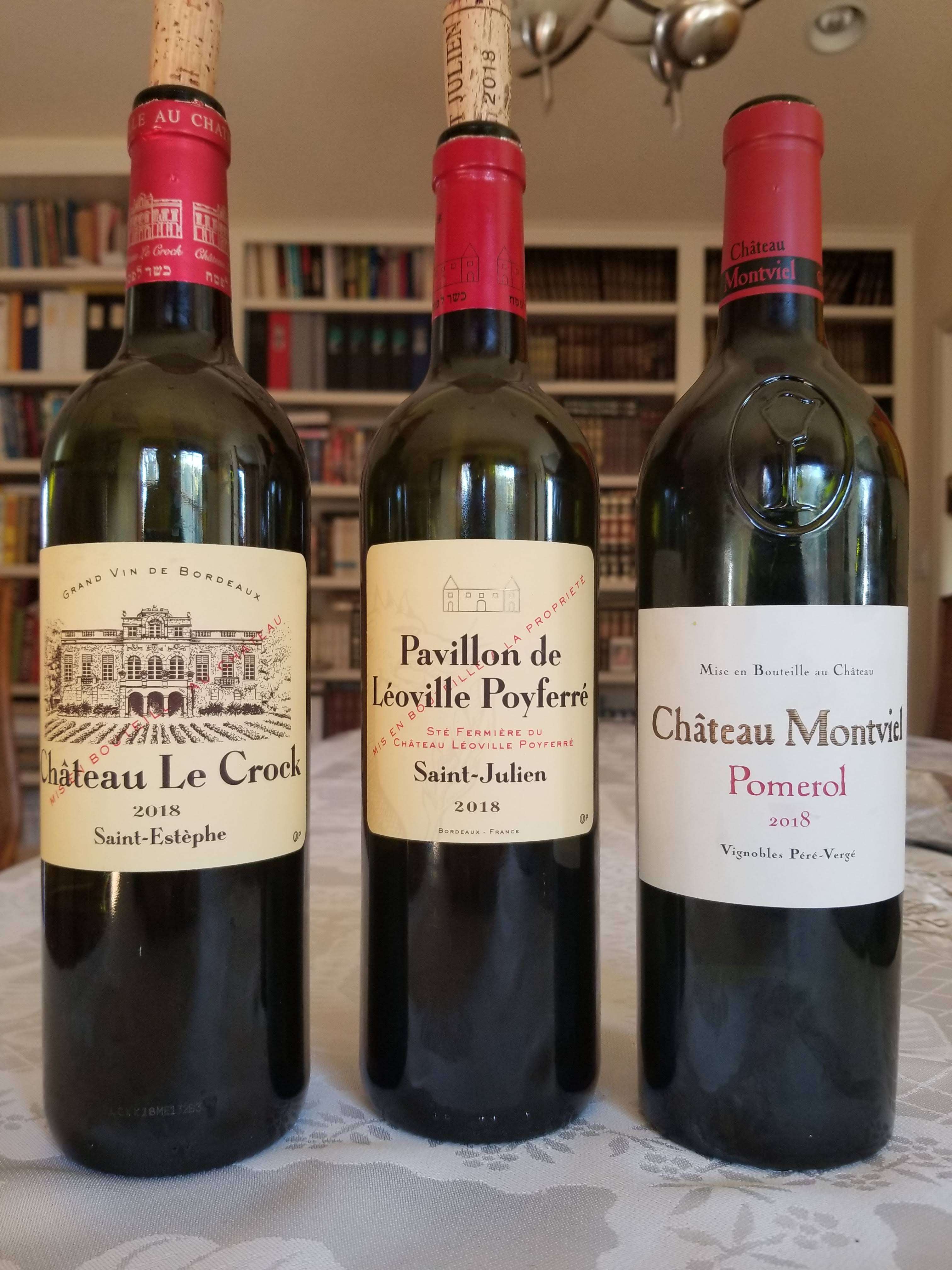
Tasting of Royal Wine’s 2018 and some 2019 French wines in California
Well, it is official, 2020 continues to take, and though my annoyances are minor in comparison to the pain others are feeling, it still has impacted my routine, which I guess is the story of 2020. For the past three years, I have been tasting Royal’s latest wines with the man in France for Royal, Menahem Israelievitch. Sadly, this year, no matter how much I planned and tried, it is a no go. So, for the first time, in a long time, the tasting will be here in Cali and it will only be a small part of the 2018 and 2019 wines, such is life.
So, no there will not be a picture with all the wines, and some of the wines from last year are still not here right now! But, I will post here what I did taste so far, and my overall feeling of the 2018 and 2019 vintages.
In a previous post about the most recent French wines (at that time in 2017) that were arriving on the market – I already spoke about pricing and supply, so there is no need to talk that over again in this post.
While the 2015 and 2016 vintages were ripe, and the 2017 vintage was not ripe at all, the 2018 vintage makes the 2015 ripeness look tame! Now that is a very broad-stroke statement that cannot be used uniformly, but for the most part, go with it!
I see no reason to repeat what Decanter did – so please read this and I will repeat a few highlights below.
For a start, the drought came later in 2018,’ says Marchal, pointing out that early July saw less rain in 2016. ‘But when it came in 2018, it was more abrupt, with the green growth stopping across the whole region at pretty much the same time’. He sees it closer to 2009, but with more density to the fruit. … and high alcohols!
Alcohols will be highest on cooler soils that needed a long time to ripen, so the Côtes, the Satellites, and the cooler parts of St-Emilion have alcohols at 14.5-15%abv and more. I heard of one Cabernet Franc coming in at 16.5%abv, but that is an exception. In earlier-ripening areas, such as Pessac-Léognan and Pomerol, alcohols are likely to be more balanced at 13.5% or 14%abv, as they will have reached full phenolic ripeness earlier.
‘Pessac-Léognan did the best perhaps because it’s an early ripening site,’ said Marie-Laurence Porte of Enosens, ‘so they were able to get grapes in before over-concentration. If you had to wait for phenolic ripeness, that is where things could get difficult’.
The final averages per grape, according to Fabien Faget of Enosens, are Sauvignon Blanc 13.5%abv, Sémillon 12.5%abv, Merlot 14.5%abv, and Cabernet Sauvignon 14%abv’.
The Mevushal push, from Royal wines, is continuing for the USA labels, a fact I wonder about more and more. Look, if you are going to force Mevushal wine down our throats, why not import BOTH? If you look at the numbers for wines like we will taste in the post, the majority of the buyers are not restaurants or caterers. Sorry! No matter how much Royal Wines wants to fool itself into thinking. Throw in COVID and FORGET about this INSANITY, please! I beg of you!
There is no denying that it affects the wine, it does. I have tasted the Chateau Le Crock side by side, the Mevushal, and non-Mevushal and while I feel that Royal does a good job with the boiling, it is still affected. If you want to have Mevushal wines in the USA, then bring them BOTH in! Royal does this for Capcanes Peraj Petita and the undrinkable Edom and others in Israel. So what Royal is saying is – that could not sell the Chateau Le Crock numbers that they import into the USA without boiling it? Why else would they feel forced to boil it and import it if not otherwise? To me, it makes me sad, and in a way, it disrespects what Royal is trying to do to its French wine portfolio, IMHO. They should, at minimum, import both! Allow for the caterers and restaurants (like anyone needs that nowadays – HUH???) to have the Mevushal version and sell the non-mevushal version to us, as you do with Edom and Petita. There I have stated my peace, I am 100% sure I will be ignored – but I have tried!
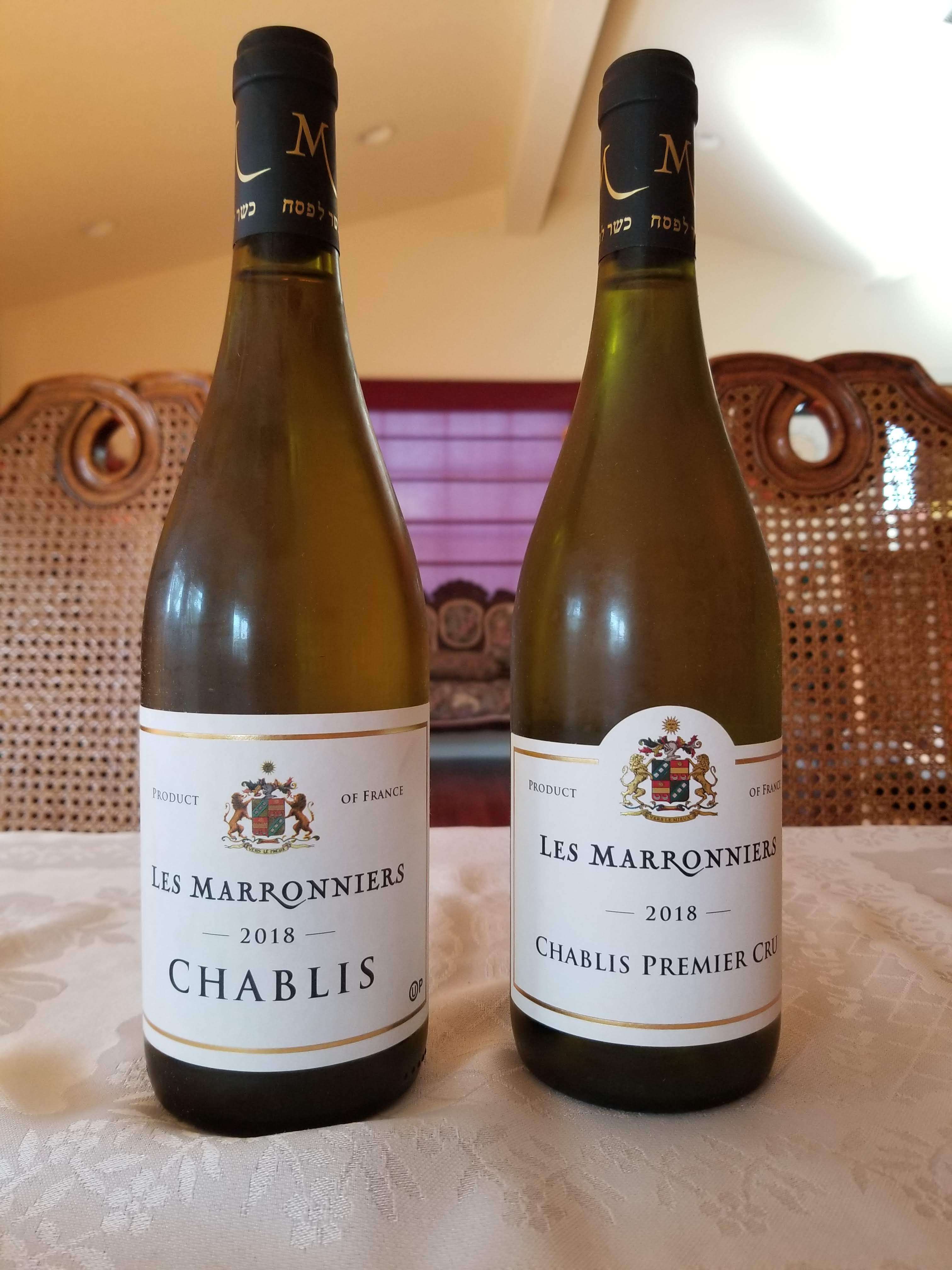
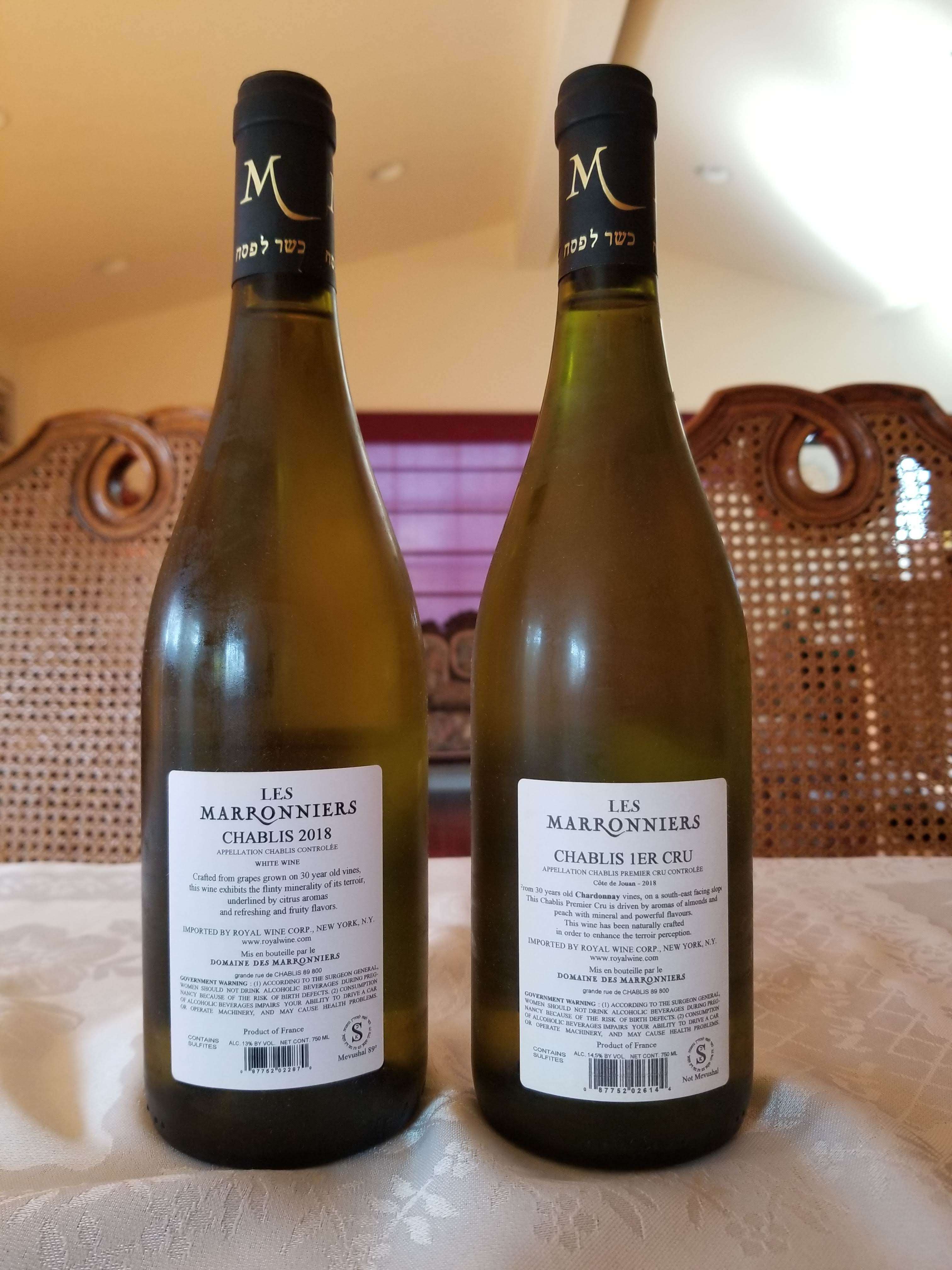
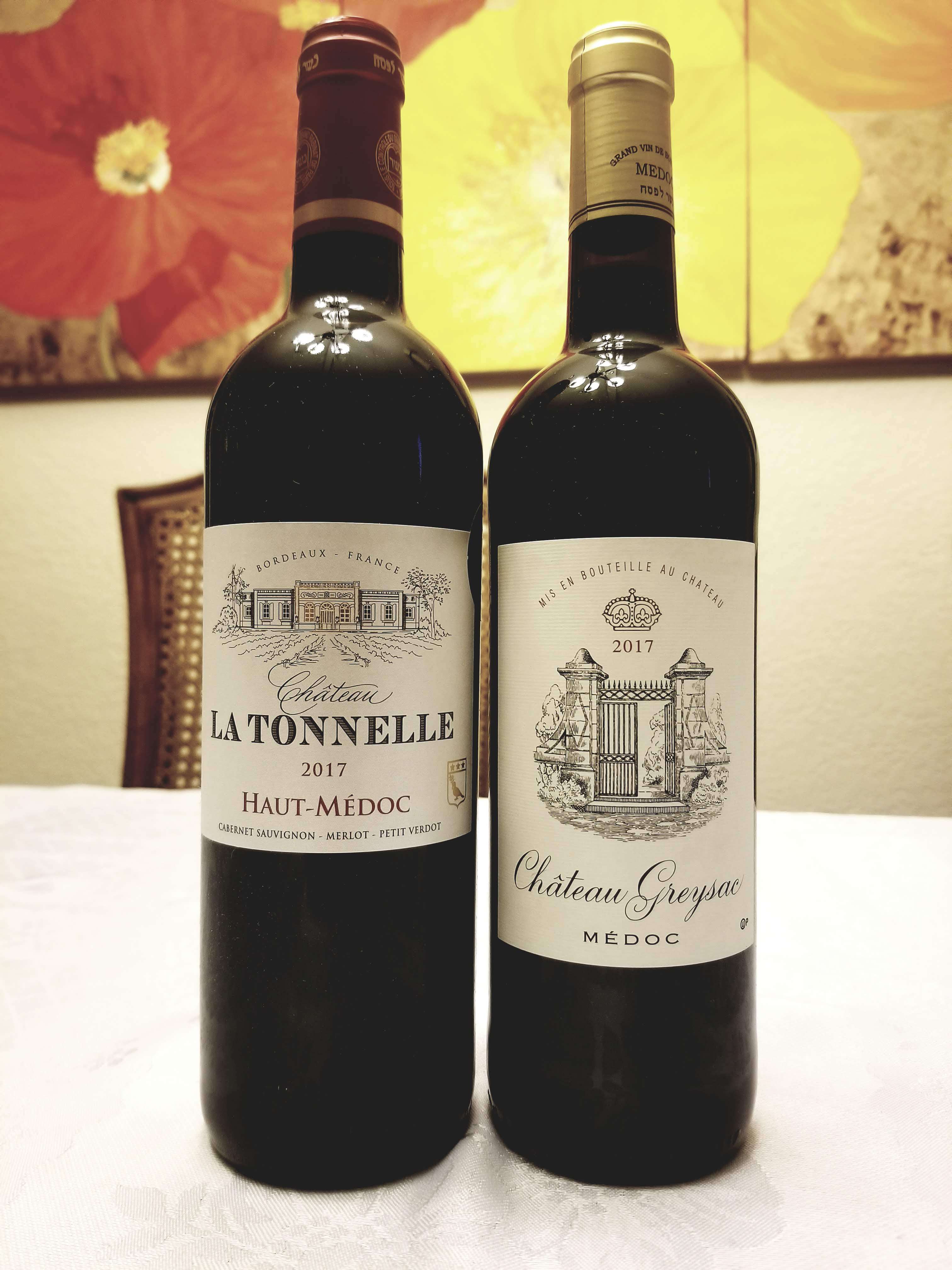
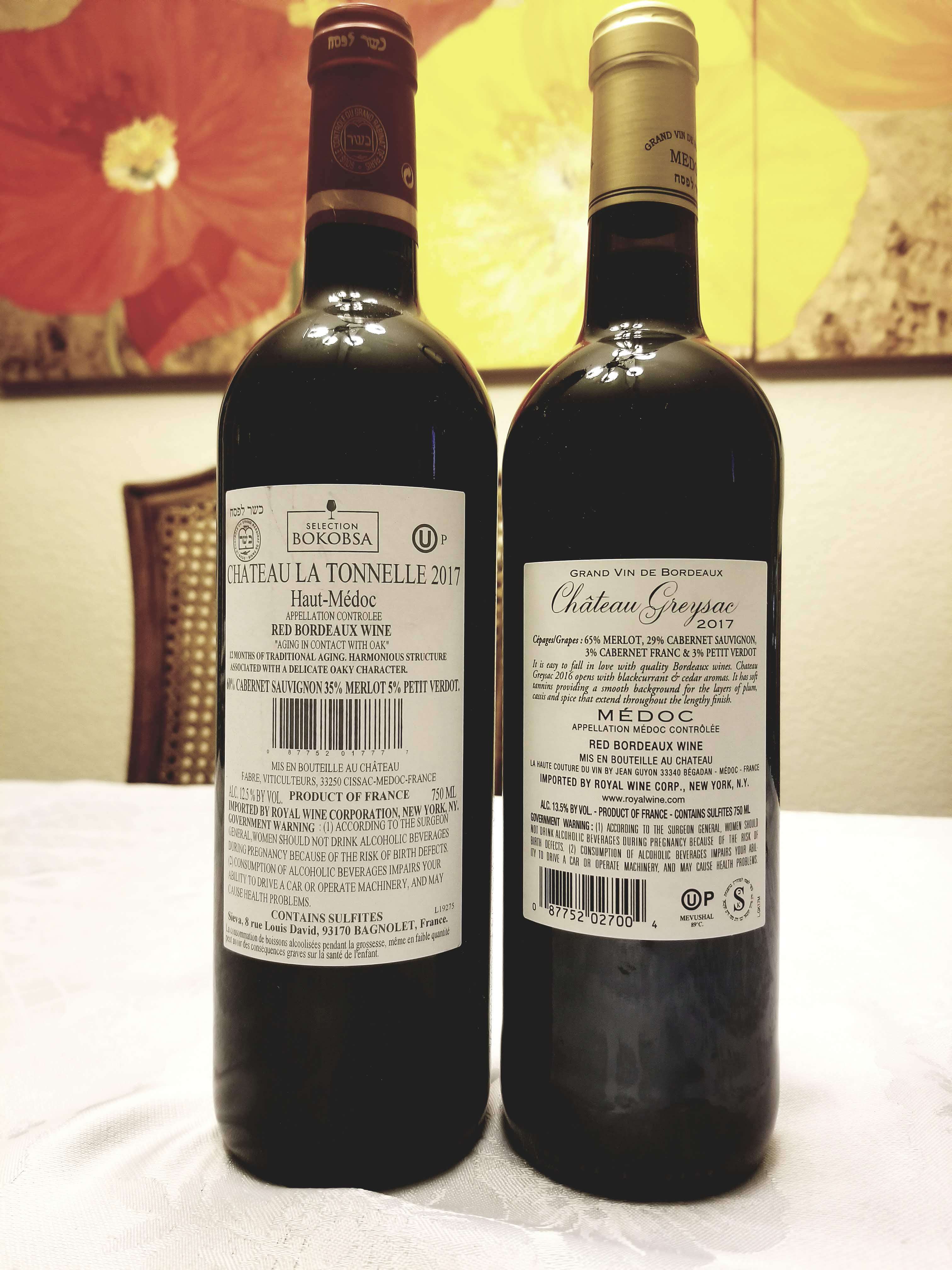
The Mevushal wines from France for the 2018/2019 vintage will be, the 2018 Barons Edmond et Benjamin de Rothschild, Haut-Medoc, 2018 Chateau Greysac, 2018 Chateau Chateau de Parsac, 2018 Les Lauriers, Des Domaines Edmond de Rothschild, 2018 Chateau Le Crock, 2019 Chateau Les Riganes, Red, 2018 Chateau Genlaire, along with the whites wines, the 2019 Bourgogne Les Truffieres, Chardonnay, the 2019 Les Marronniers, Chablis, and the 2019 Chateau Les Riganes, Blanc.
Now does mevushal impede the long-term viability of aging in regards to the wine? Well, that too is not something that we have scientific proof of. I have tasted a mevushal 1999 Herzog Special Edition and it was aging beautifully! So, would I buy the mevushal versions of the wines I tasted below – yes! Would I age them? Yes, I would hold them for slightly fewer years.
Other than the mevushal aspect, there are no differences between the European version of the wines and the USA version of the wines. While that sounds obvious, I am just stating it here. The wines will be shipped now and the temperature issues that affected Israel’s wines of old, have not been a factor here.
The “other” wines not here yet or I have not had
There is the just-released 2018 Château Cantenac Brown Margaux (will post that when I get it), along with these yet unreleased wines. The 2019 Chateau Gazin Blanc (2018 was/is INCREDIBLE), 2018 Chateau Fourcas Dupre, 2018 Château Meyney Saint Estèphe, 2018 Chateau Giscours, 2018 Chateau Lascombes, 2018 Chatyeau Tertre, and 2018 Chateau Royaumont.
I understand this is a sub-optimal situation and blog post. It does not cover Royal’s 2018/2019 European wine portfolio. Still, it covers what has been released (or very close to it), here in the USA, and hopefully, it will help you. One day soon, I hope and pray, things will return to some semblance of normalcy, and we will all travel around again. Until then, this is the best I can do. Stay safe!
Final comments, disclaimer, and warnings
First, there are a TON of QPR winners but there are also a LOT of good wines that I will be buying. Please NOTE vintages. The 20016 Haut Condissas is a disaster while the 2017 vintage is fantastic! So, please be careful!
These wines are widely available in the USA, so support your local wine stores folks – they need your help! If you live in a wine-drinking desert, like California, support the online/shipping folks on the side of this blog. They are folks I buy from (as always – I NEVER get a bonus/kickback for your purchases – NOT MY STYLE)!
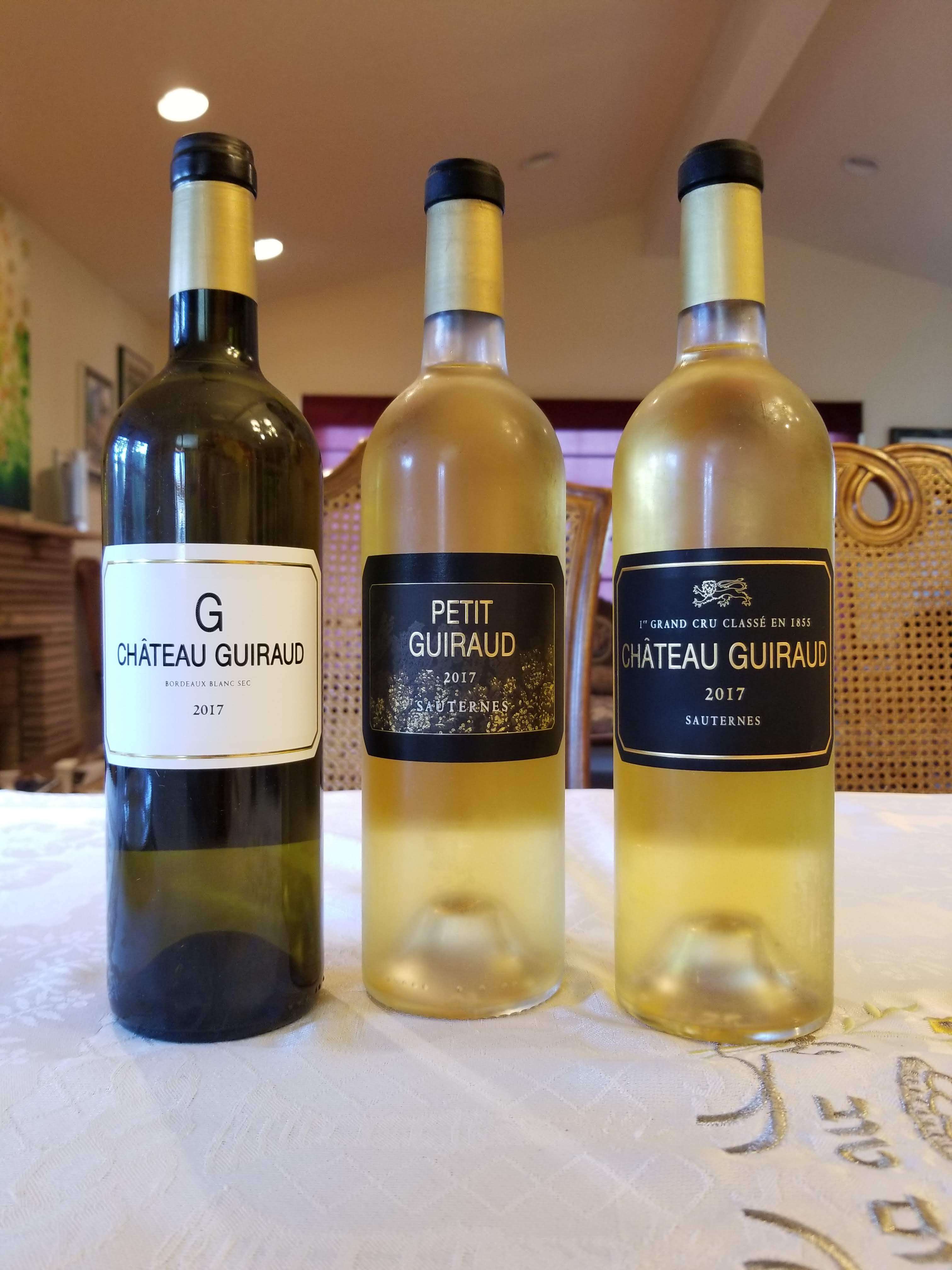
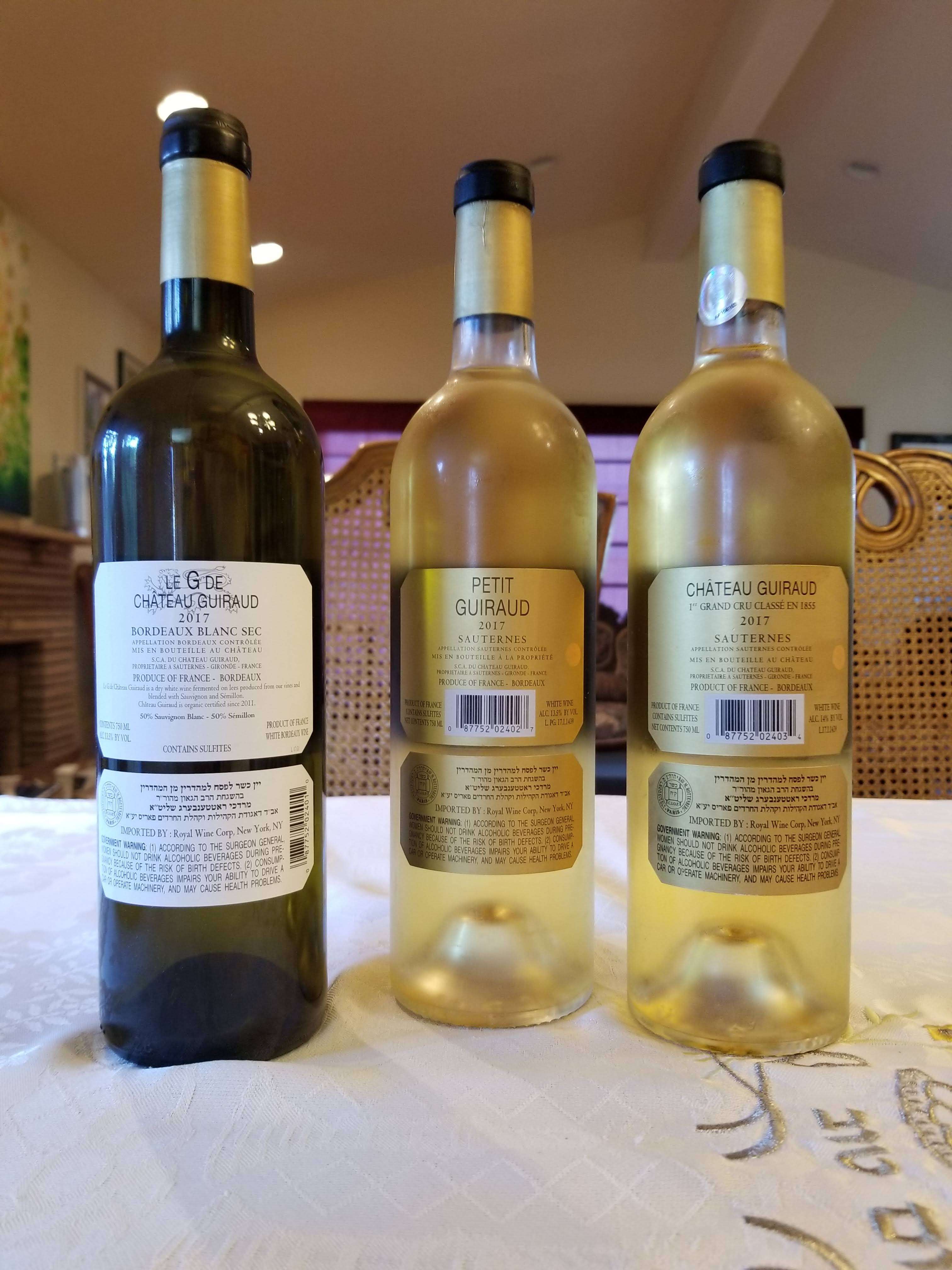
Sadly, there was no plane trip, no hotels, no restaurants, nothing. So, no trip to talk about – just the wines and my lovely home! Stay safe all and here are the wines I have had so far. I have also posted many scores of 2015, 2016, 2017, and 2018 wines which are still for sale here in the USA. My many thanks to Royal Wine for their help in procuring some of these wines. The wine notes follow below – the explanation of my “scores” can be found here:



Share This:
Like This:
Kosher French Wine, Kosher Red Wine, Kosher Semi Sweet Wine, Kosher White Wine, Kosher Wine, Wine, Wine Tasting2018 Chateau Fontenil, Baron Edmond de Rothschild, Barons de Rothschild Edmond Benjamin, Blanc, Blaye, Chablis, Chateau Clarke, Chateau D’Arveyres, Chateau de Parsac, Chateau de Santenay, Chateau Du Tertre, Chateau Fourcas Dupre, Chateau Gazin Rocquencourt, Chateau Genlaire, Chateau Giscours, Chateau Greysac, Chateau Guiraud, Chateau Haut Condissas, Chateau La Clare, Chateau La Petit Chaban, Chateau La Tonnelle, Chateau Lamothe-Cissac, Chateau Le Crock, Chateau Leoville Poyferre, Chateau Les Riganes, Chateau Malartic Lagraviere, Chateau Mayne Guyon, Chateau Montviel, Chateau Moulin Riche, Chateau Piada, Chateau Rollan de By, Chateau Royaumont, Chateau Saint-Corbian, Chateau Signac, Chateau Tour Seran, Château Lascombes, Chevalier de Lascombes, Cote de Jouan, Coteaux du Giennois, Cotes Du Rhone, Domaine de Panquelaine, Domaine Ternynck Bourgogne, Fronsac, Grand Cru, Grand Cru Classe, Haut-Medoc, Jean-Pierre Bailly, Lalande de Pomerol, Le Classique, Les Bois de Lalier, Les Lauriers, Les Marronniers Chablis, Les Roches, Les Truffieres, Limited Edition, Listrac-Medoc, Margaux, Medoc, Mercurey, mevushal, Montagne-St-Emilion, Old Vines, Pascal Bouchard, Pavillon de Leoville Poyferre, Pessac-Leognan, Petit Guiraud, Pliocene, Pomerol, Pouilly-Fume, Premier Cru, Premier Grand Cru Classe, Prestige, QPR, Ramon Cardova, Rioja, Saint-Emilion, Saint-Estephe, Saint-Julien, Sancerre, Sauternes, Sauvignon Blanc, Sec -
Two wines with no added sulfites (just do not call them Sulfite-free wines)
Share This:
Like This:
-
Three wines that have sadly lost their luster
Share This:
Like This:
-
The latest crop of simple Kosher white wines with many QPR options!
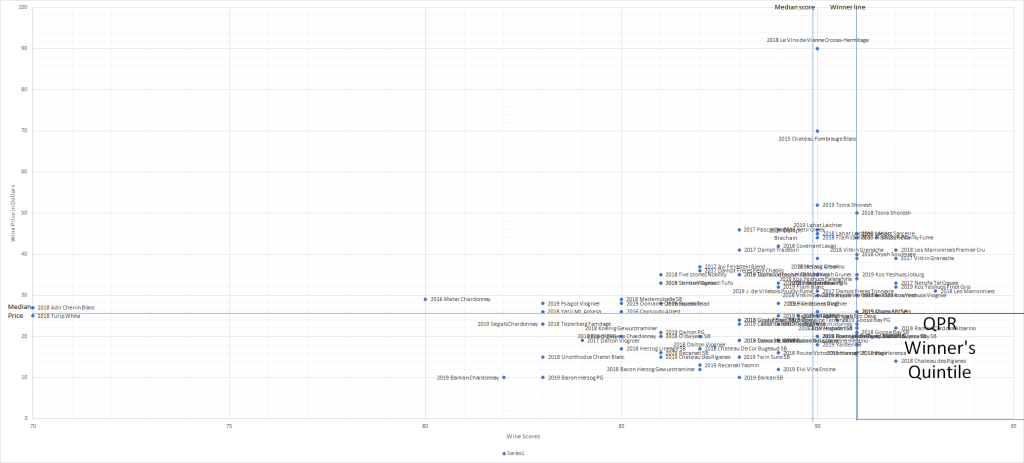
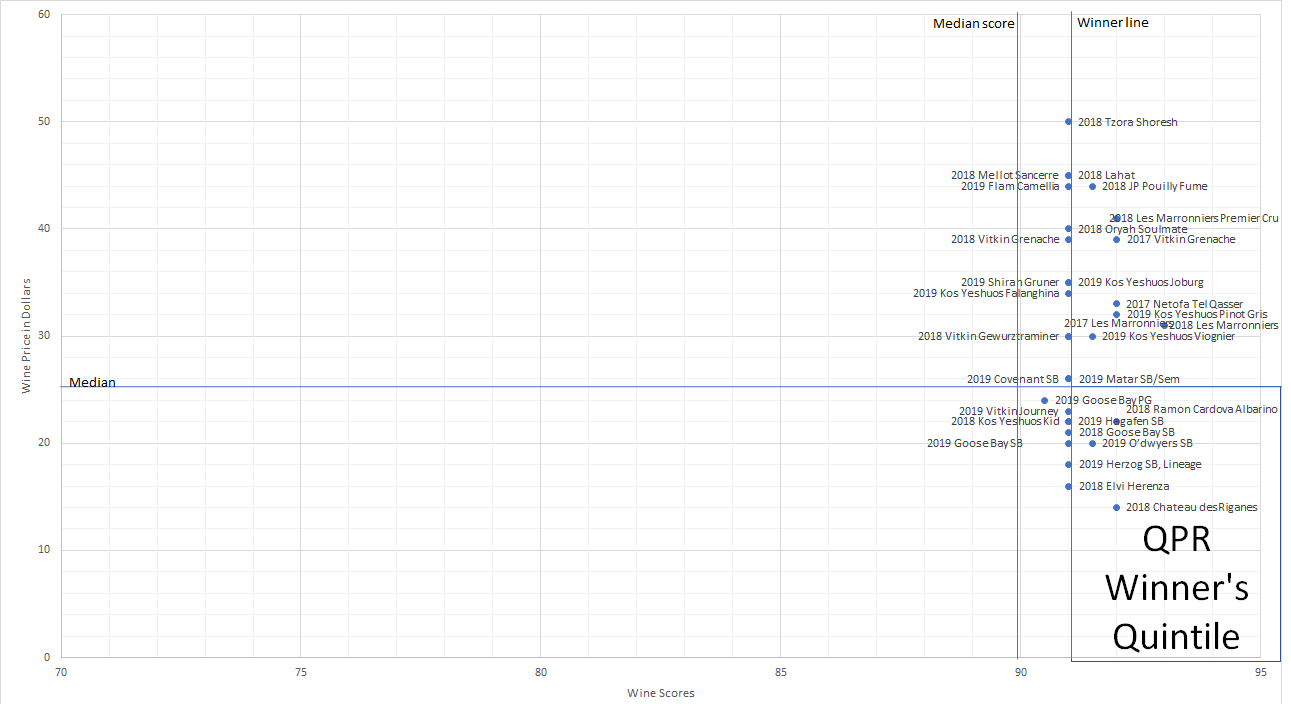
The QPR graph for the simple white wine category After going through the 2019 roses in my last post the 2019 and 2018 whites are up next. I am adamant that QPR (Quality to Price Ratio) is where kosher wine needs to go. QPR means well-priced wines. Still, people do not get QPR. To me, QPR is what I describe and explain here.
To restate it again, the Q part of QPR (Quality) is the qualitative part of the QPR score while the P (Price) is the quantitative part of the QPR score. My opinion of a wine, its qualitative score, is 100% subjective, and my opinion, while what the ACTUAL price of the wine (in a public store) is 100% objective, it is NOT subjective, the price is right there on the website! Where I disagree with many about QPR is that many choose an arbitrary price to state that a wine has a good QPR (a good value for the price). Well, that is absurd, I may spend 50 dollars for a bottle of wine and others would not spend more than 10 for a bottle of wine. QPR based upon a subjective price – adds yet another subjective valuation to the mess! That is why I used the actual price of the wine – IN COMPARISON to its peers! That way you get to see wines in the same categories (white, rose, red, sparkling) compared against its peers – where the wine score is now apples to apples. So a 50 dollar red wine that gets a 90 score and 30 dollars red wine (both in the drink now red wine category) that gets a 90 score, makes the obvious choice for the 30 dollar wine. But what is the 50 dollar wine gets a 92 score – well now you need to compare the 92 against its peers, and you may well find that it is still a POOR to BAD QPR even though it gets a subjective score of 92, because there are other peers to it, in its category, that score better or maybe a drop worse (say 91), but cost half as much. Please read the QPR revised post again.
In the Rose world, things were not great. Sure we had two QPR Winners (again a winner is a QPR score of GREAT and a 91 score or higher), but those two JUST sneaked in, as the prices for roses keep rising. The world of white wines is not like that. White wines have loads of winners, 13 in total, and half of them or more are priced well below the Median price.
Also, remember that this post is about simple white wines (AKA Drink “soon” White Wine). I qualify this wine category in my QPR 2.0 Revised post to mean, white wines that will not age 7 years. The ageable white wine list is far smaller and will be released soon.
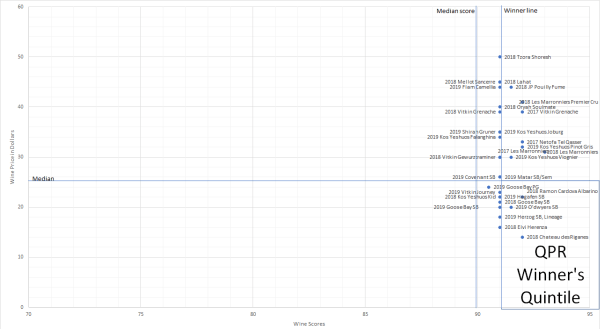
A graph of the QPR Winners and high scored wines for the simple white wine category Median Price keeps moving and more wines are Winners
I liked the 2019 Covenant Sauvignon Blanc but it was priced too high when I first had it. Since then, as I keep tasting wines in the simple white wine category (AKA not age-able white wines) the price overall for the category is going up. This is NOTHING new, I say it constantly, kosher wine prices keep going up! This is why we created the QPR idea, as I was sick and tired of seeing such high prices on wines.
Well, the simple white wines are not immune and sadly they too are now rising at a pace that is not great. Still, A rising tide lifts all boats, so, the good wines go from good to GREAT and then to WINNER with really nothing more than a higher tide! As, again, QPR is 50% wine score and 50% price, the 91 score for the 2019 Covenant Sauvignon Blanc did not change – what changed was the price of its peers and as such its QPR score.
Share This:
Like This:
-
Final take on 2020’s crop of Kosher roses – 2 QPR Winners, but overall not great
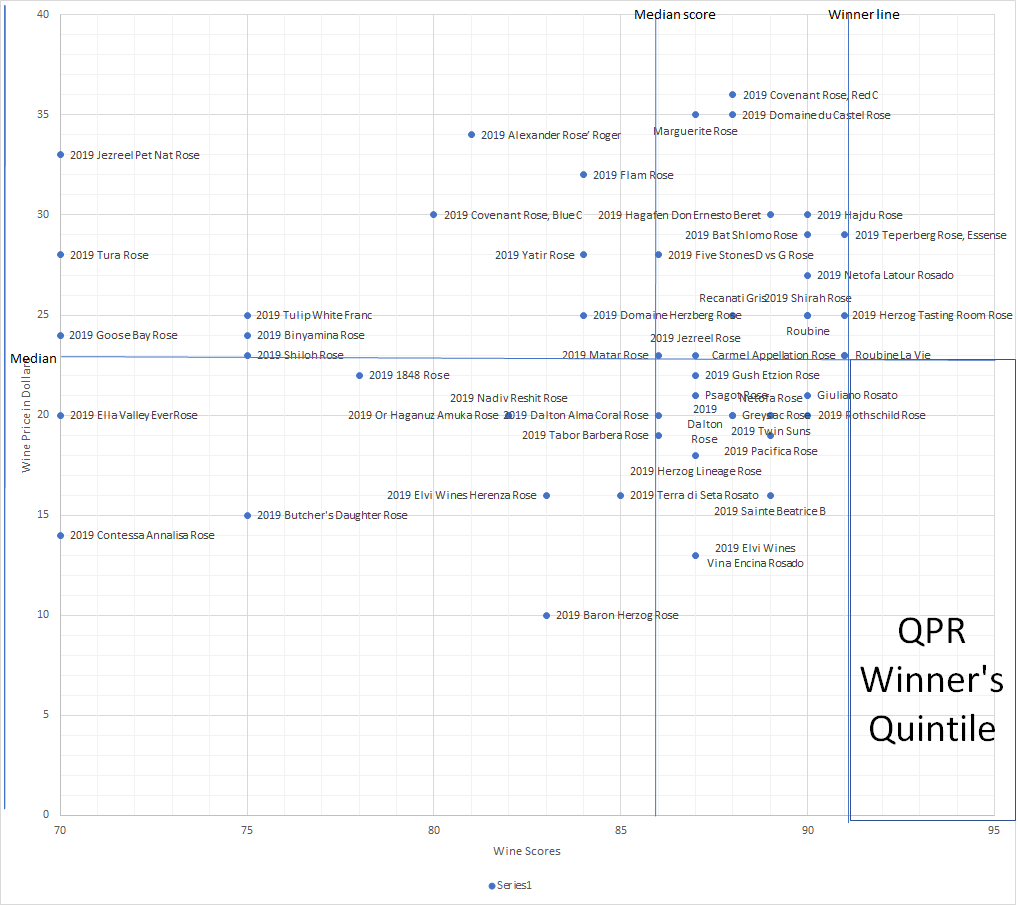
Kosher 2019 Roses charted by price and wine score (QPR) So, as the image above shows roses are very expensive and the majority of the 28 of the 55 are at or above the median price of 23. This is not new, IMHO, roses overall have not been good or even very interesting this season.
Please read this post for my writeup on rose wines this year. I had a few follow-ups after that, including the one post with the QPR Rose for 2020, but this post will list all the rose wines I have had this year. Also, as I tasted more wines the price of the median went up and that allowed the Roubine La Vie to also become a QPR Winner. Again, the MARKET decides the QPR winners, not me! All I decide is the wine’s subjective quality score, and yes, that is subjective! The rest, the P part of QPR (Quality to Price Ratio) is decided upon by the market. Please read my revised QPR scoring here.
The image does not show the 2 QPR Winners as obvious winners, as the dot that represents the Carmel Rose and the Roubine La Vie Rose is on the top left of the winner box. These wines barely made their way into the Winner’s square, but with such a horrible vintage, rose-wise, 2 is better than NONE.
In regards to rose, look a lot of my friends and I do not agree. Look at the Cantina Giuliano Rosato, it is a VERy nice and classically made Gris style rose, but it has a bit of RS (Residual Sugar) in it, at least to my palate, and I have issues with that. Other wines that have more RS drive me nuts. My friends do not care about RS or ripe notes in rose as long as it is balanced. To me, rose, red, or white, I DO NOT want RS. The funny thing is that Kedel Jackson probably got away with1% RS in his Chardonnays for decades, and made it the classic style for Cali Chard, which brought on the famous ABC movement (Anything But Chardonnay). Which spawned Sauvignon Blanc, Riesling, and so many other great white wines here in California.
So, yes, there are two winners now, and there are a few 91 scored roses, but please look at the chart!! LOL! It is visually clear that the vast majority of the wines are not something I would look to buy. They are either too expensive or not interesting and that is what has gone wrong with the kosher rose market. Again, I have said it a few times, IMHO, the wineries have thrown in the towel and they make rose thinking it will sell, no matter what they release. This will eventually end badly. Only time will tell.
Share This:
Like This:
1848 Winery, 2nd Generation, Alma, Appellation, Barbera, Bat Shlomo, beret, Binyamina Winery, Blue C, Cantina Giuliano, Carmel Winery, Chateau Greysac, Chateau Roubine, Chateau Roubine La Vie, Chateau Sainte Marguerite, Coral, Coteaux de Sitrya, Covenant Winery, Cru Classe, D vs G, Dalton Winery, Domaine du Castel, Domaine Herzberg, Domaine Netofa, Don Ernesto, Ella Valley Winery, Essence, EverRose, Five Stones, Flam Winery, Goose Bay, Grenache, Gush Etzion Winery, Hagafen Winery, Hajdu Wines, Herzog Cellars Winery, Jerusalem Hills, Jezreel Winery, Judean Hills, Latour Rosado, Matar Winery, Nadiv Winery, Pacifica, Pet-Nat, Pinot Noir, Premium, Psagot Winery, Ramon Cardova, Red C, Reserve, Rosado, Rosato, Rose, Shiloh WInery, Shirah Winery, Tasting Room Reserve, Teperberg Winery, Tulip Winery, Tura Winery, Twin Suns, White Franc, Yatir Winery -

RCC Raanana Elul 5780 including a new Tokaji Aszú
Share This:
Like This:
5 Puttonyos, Adir, Cabernet Sauvignon, Carmel, Castel, Château Grand-Puy Ducasse, Clarksburg, Domaine du Castel, Flam, Gofna Reserve, Golan Heights Winery, grand vin, Gvaot, Herodian, Herzog, kayoumi, Kerem Yonatan, Merlot, Pauillac, Petite Sirah, Prince Vineyard, Shiraz, Tischler & Halpern Reserve, Tokaji Aszu, Yarden -

Around the World in Your Supermarket for 50 Shekels
Share This:
Like This:
-
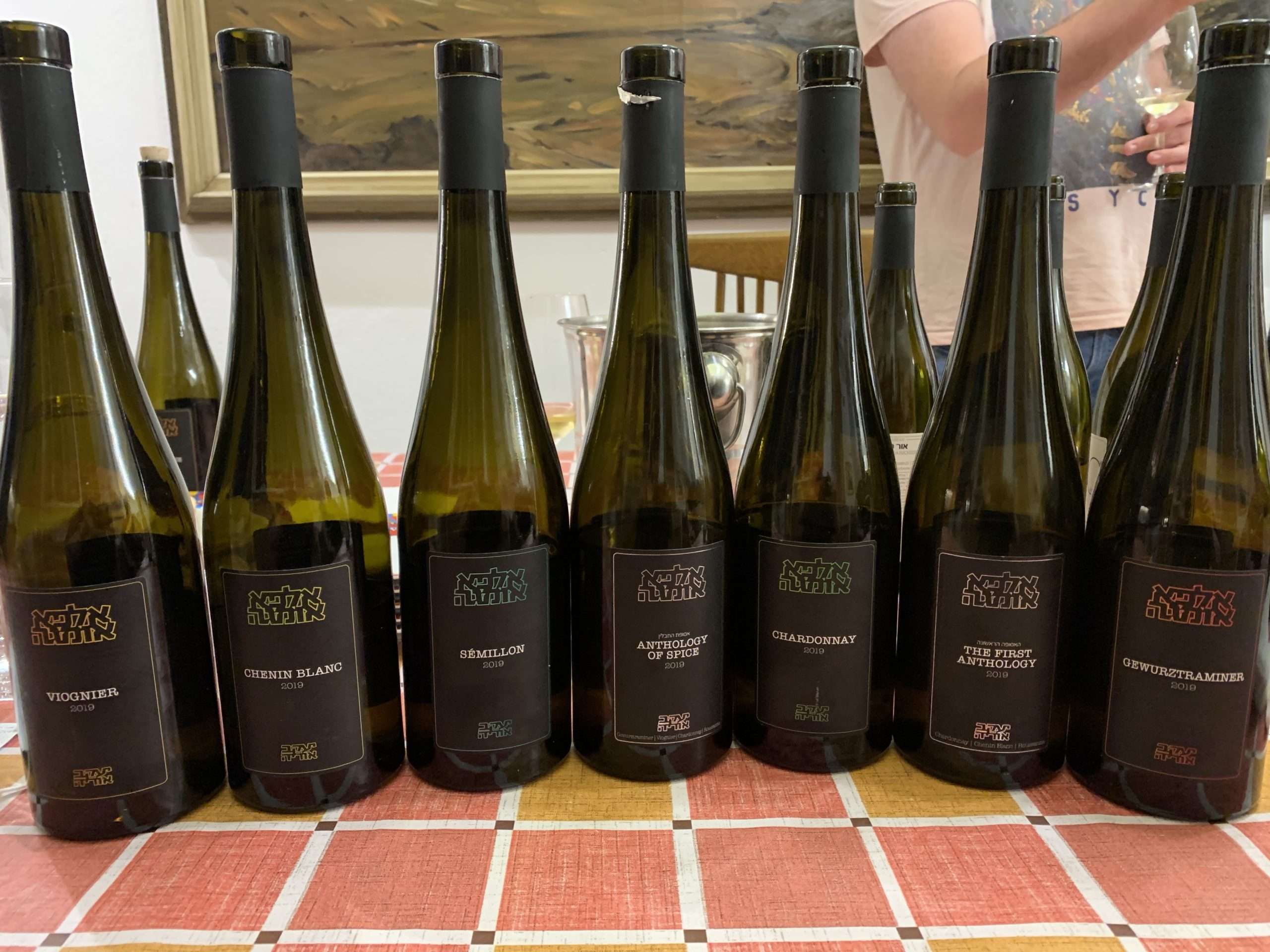
Ya’acov Oryah 2020 Portfolio Tasting
Share This:
Like This: