-

Four Gates Winery’s January 2021 new releases
Share This:
Like This:
Cabernet Sauvignon, Chardonnay, Four Gates Winery, Malbec, Merlot, Monte Bello Ridge, Negrette, Petite Verdot, Pinot Noir4 comments on Four Gates Winery’s January 2021 new releases -
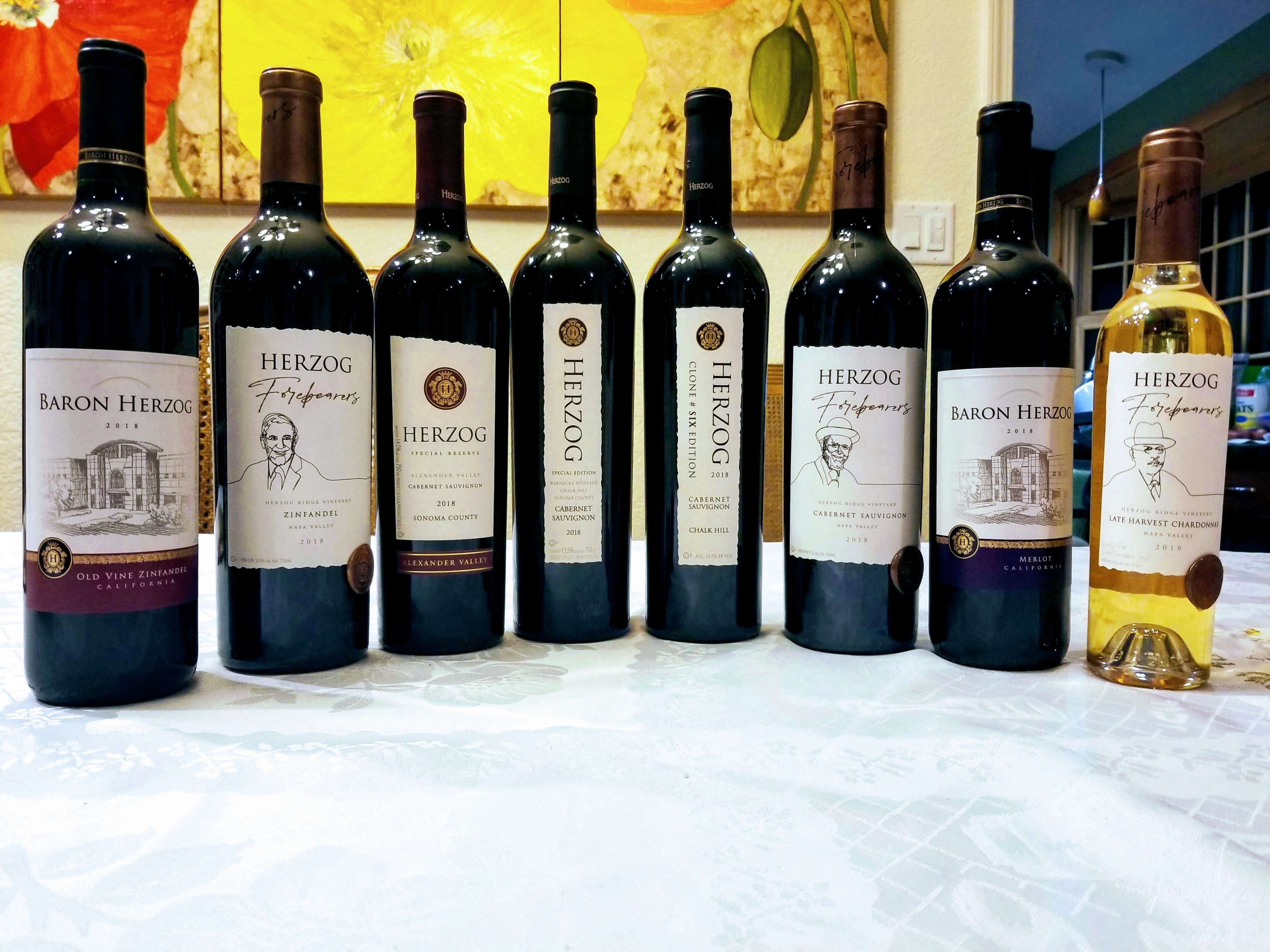
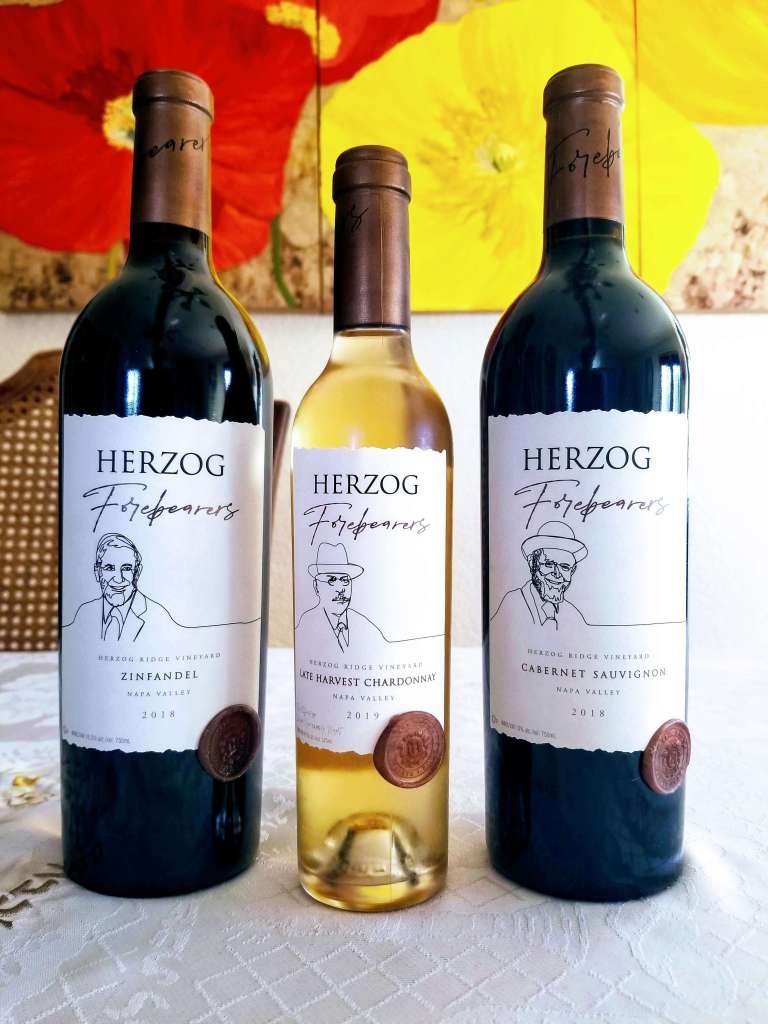
Herzog Wine cellar’s 2018 lineup is sensational – beyond just the Cabernet Sauvignons
Herzog Wine Cellars (which now go by herzogwine.com not herzogwinecellars.com, no idea why they dropped that and emails bounce all over the place, a better idea would have been simple web/MX record routing/forwarding – but enough tech talk) has been in the wine business, in California, since 1984. The days of San Martin, when I met Josh Goodman and his wife (PSA – be careful with how you pronounce her name) when they were in the San Jose Jewish community. In those days, San Jose was the closest thing to a community for them, that was close enough to San Martin, for them to live a Jewish life and work as cellar rat/master at Herzog Wine cellars. With time, the Herzog moved to Santa Maria, which was closer to the L.A. area and then they finally moved to the location they are today, in Oxnard, in 2005.
In the start, the head winemaker was Peter Stern, mostly as a part-time winemaker. In 1998, Joe Hurliman joined as the full-time winemaker at Herzog Wine and they have not looked back, thankfully! In that time, Joseph Herzog took over running the winery and Tierra Sur, the wonderful restaurant attached to the winery. Soon after moving into the Oxnard winery/facility, Herzog undertook multiple manners to interact with their customers. The first approach was the winery’s tasting room, which is still highly pivotal in attracting all members and customers into tasting Herzog wines. They also started with many wine clubs, with the most influential one being Eagle’s Landing. It has become the area where Mr. Hurliman can truly experiment, at smaller scales, than even the Special Edition series and craft wines that he would love to see become mainstream. Things like Santa Rita Pinot Noir, Templeton Pass Zinfandel (we need more of that kind of Zin being made!!), and Paso Robles Syrah. These are not new to the kosher world as much as they are good to see at the scale and care that Herzog can bring to these varietals and wines.
One cannot talk about Herzog without talking about a few very poignant points:
- Mevushal
- Cabernet Sauvignon
- Vineyards
- Ageability
- L.A. KFWE/IFWF/Tierra Sur – Todd Aarons
Mevushal Program
Herzog did not invent the Mevushal methodology in the new era of kosher wine, which was done by Hagafen Winery, but Herzog has been equal or slightly better than Hagafen as time has progressed. When you ask who does the best with Mevushal in wines – the answer is Hagafen and Herzog, there is no one else in their league. Royal Wines Europe does a nice job as well, but they are two peas in the same pod. Rollan de By does a very good job as well.
The next question you will consistently get is – does the Mevushal process hurt wine? The answer is complex and like everything in this world, it depends. It depends on the process you use, the varietals you “boil”, and for how long you do the process, and at what temperature. Long ago, people have stopped boiling wine – they moved to Flash pasteurization or Flash Detente, both in the kosher wine world and outside of it. The length of time and the temperature of the flash is one that is hotly debated in the Rabbinic kosher world, which is why you will see many put the temperature the wine was flashed at, on the wine bottle itself. Few wineries will flash Pinot Noir or Grenache as these wines are delicate and will not gain from the flash process. Herzog does flash their Lineage Pinot and it is not a wine for long holding so that works with what they are shooting for. Hagafen, flashes everything and as such, they do flash the Pinot and Pinot Prix, but IMHO it has been hurting the wines in recent vintages. Doing the Mevushal process to Cabernet Sauvignon is one that works and may well be the most prevalent of the varietals out there that go through the Mevushal process.
Cabernet Sauvignon
This leads us to the standing joke, in regards to Herzog Wine Cellars, that Herzog makes more Cabernet Sauvignon, in a single vintage, than almost any winery makes wine, across all labels. They are the Cab Kings like Oryah is the Orange wine Factory. My last count was 27 Cabernet sauvignons across all labels, which is a crazy number, but to be fair, they know what their customers want. No matter the price, style, makeup, or focus of the Cabernet Sauvignon, Herzog has a Cab for you and that has been their motto for as long as they have been at Oxnard, and maybe even a bit before in Santa Maria.
Vineyards
Herzog has done a very good job in both managing leases/relationships with vineyards – dating back to the early days of the 1990s. Chalk Hill and Alex Reserve are both examples of vineyards they have managed to lease and continue to do so for decades. This is not anything new in any way, but it was for kosher California wines in the 1990s. Hagafen Winery has had vineyards that they have leased or owned for long stretches’ of time as well. It is just a very impressive thing to have done back then.
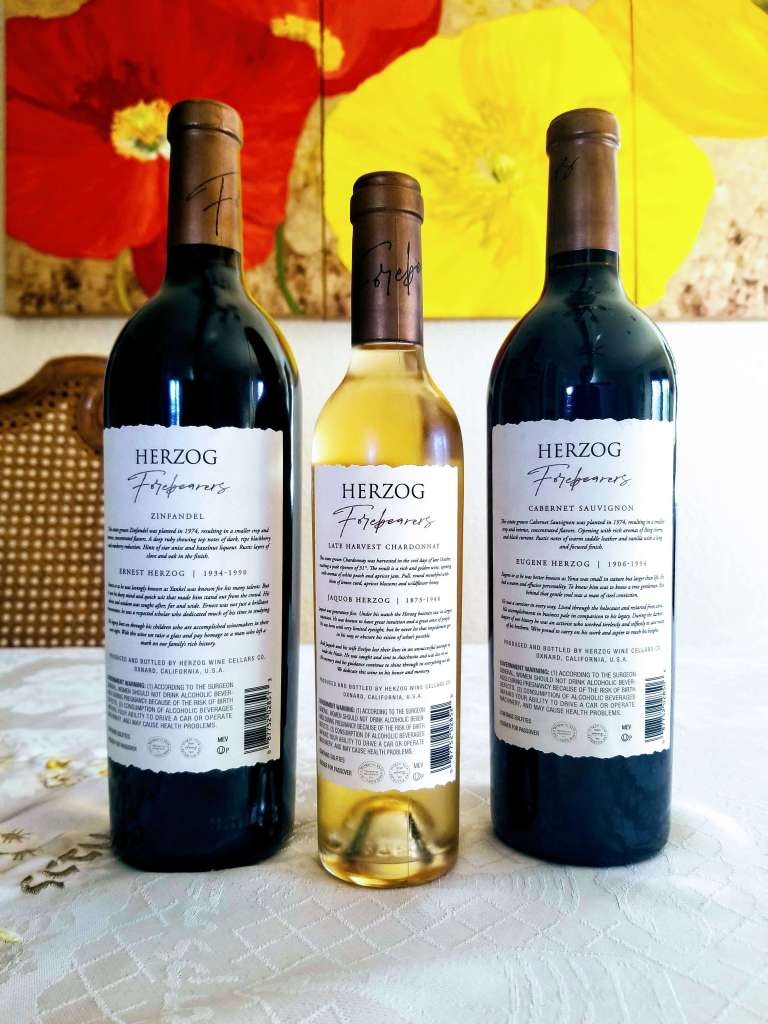
They have quietly been buying vineyards all around California. It started in 2010 when they were forced to buy the land or lose their longtime relationship with Clarksburg grapes. Then in 2017, they bought 2 plots of land in lake County. Then in 2018, they bought the Herzog Ridge Vineyard in Napa Valley. The new 2018/2019 Forebearer wines (listed below) are from that vineyard.
Ageability
There are not many wineries today, in the kosher market, that have wines dating backing to 1996 that still blow my mind. yes, I continue to have my mind blown by 1997 Four Gates Merlot or Pinot Noir, and Yarden made some wines back then that were pretty good as well. However, to have made wine continuously, minus a few years here and there, I would have to say, the only ones that come to mind are Capcanes (until 2015), Herzog, and Four Gates. That is quite an impressive feat and one that helps me to buy their wines on an almost yearly basis.
L.A. KFWE/IFWF/Tierra Sur – Todd Aarons
Tierra Sur was a smash hit years before IFWF came to Los Angeles in 2008. Todd Aarons was running the ship and he could well have been the first kosher Chef-Driven restaurant, at least in the USA. There were a few in Paris in the late 1990s that were quite the thing. Still, Chef Aarons brought that flair, focus on ingredients, and presentation to a far-flung location, outside of L.A., but within driving distance, that made Tierra Sur world-famous for kosher and non-kosher consumers alike.
The IFWF (International Food and Wine Festival), the west coast’s KFWE was Herzog’s way of showing off the food over the wine. The 2007 KFWE, and many after it, was more focused on the wine and good for them! What Herzog has done for so long with the IFWF or the KFWE is to showcase what Los Angeles has over the east coast, at least at that time for sure, which was the weather and great food!
2018 Wines
Now on to the wines! The 2017 vintage was not kind to much of California and sadly it affected Herzog wines as well. I did like the 2017 Lineage Chardonnay and the 2017 Herzog Cabernet Sauvignon, Lake County, with the Clone Six showing some elegance from under the issues of the vintage. All of that is in the past and the 2018 vintage is another winner. These wines are rich and layered and truly a joy – I would not sit long on the sidelines, I would buy these ASAP before they all go away. So to those that ask me – why did you not warn me – you have been warned!
In the end, this vintage is a WINNER across the board. The Forebearers are nice wines but they are relatively expensive, in comparison to other Herzog options, from 2018. The Pinot Noir, Cabernet Sauvignon, Lineage, Reserve, even the Baron Herzog line have great deals and lovely wines. Overall, if I was standing in front of Joe Hurliman at KFWE, I would have said what I am oft to say – Bravo my good sir – BRAVO!
I will keep this short, so my many thanks to Joseph Herzog, David Whittemore, Joe Hurliman, and Alicia Wilbur for answering my many emails and calls. Be well to you all, California is getting even crazier – stay safe guys! The wine notes follow below – the explanation of my “scores” can be found here:
2018 and 2019 Forebearers Wines
2018 Herzog Cabernet Sauvignon, Forebearers, Napa Valley (M) – Score: 92+ (QPR: POOR)The wine is very slow to open, this wine needs time, so give it the respect it deserves. The nose on this wine is lovely, not one of those “Brilliance” fruit bombs, this is a lovely earthy, anise filled joy, with smoke, tar, fruit galore, but well-controlled, with loam, candied ginger, and more fruit. The mouth on this medium-bodied wine is oaky, it starts off with a clear focus of oak, and has a bit of a hole, but with time, as I said, this needs it, the hold fills in well, with a rich coat of mouth-draping tannin, earth, sweet dill, oak, blackberry, dark cherry, hints of plum, and currants, all wrapped in tannin and oak, very nice. The finish is plush, and tart, with good acidity, earth, more dill, sweet smoking tobacco, dark chocolate, and anise. Really nice, a wine to get and store away. Bravo!With loads of time, this wine really starts to shine and I highly underestimated it, this wine is super young and needs time. I would wait 3 years to play with this again. Let this beast lie. Drink from 2024 until 2028 maybe longer. (tasted Nov 2020)
Share This:
Like This:
Albarino, Alexander Valley, Baron Herzog, Cabernet Sauvignon, Cellar Select, Chalk Hill, Chardonnay, Clarksburg, Clone Six, Eagle’s Landing, Forebearers, Herzog Cellars Winery, Late Harvest, Lineage, Merlot, Napa Valley, Paso Robles, Pinot Noir, Reserve, Russian River, Special Edition, Special Reserve, Variations, Weinstock, Zinfandel -
Kos Yeshuos Winery’s new U.S. release for 2021, and 2019 South African ESSA Wine Co. wines
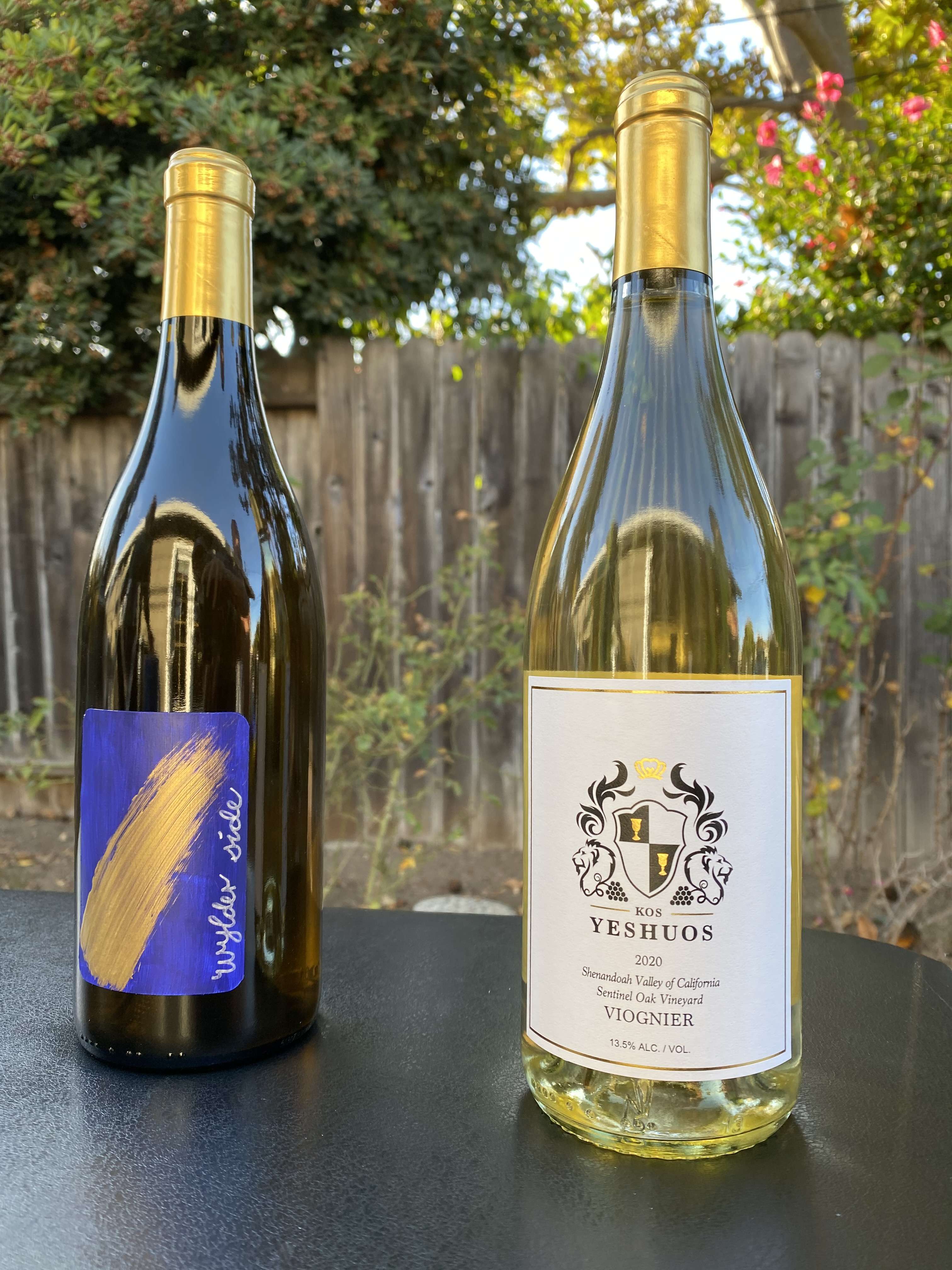
WOW, I cannot believe I just wrote that number, but yes, we made it through 2020, and I hope all of you are safe and well. The prize for reaching 2021 is more wine, and Josh Rynderman, the Dual-Hemisphere winemaker of Kos Yeshuos Winery and ESSA Wine Co., swung by last week and we tasted his new release for 2021, the 2020 Kos Yeshuos Viognier. Sadly, this year, there are no cool marketing/moniker-driven wine names. Other than the Wylder Side Orange Viognier, but that is a super-small production promotional item.
Sadly, 2020 was a horrible year for many, in the wine world and outside of it. Sadly, because of fires, smoke, crazy heat waves, and God knows what else, Kos Yeshuos only made the Viognier, but it is a really good wine!
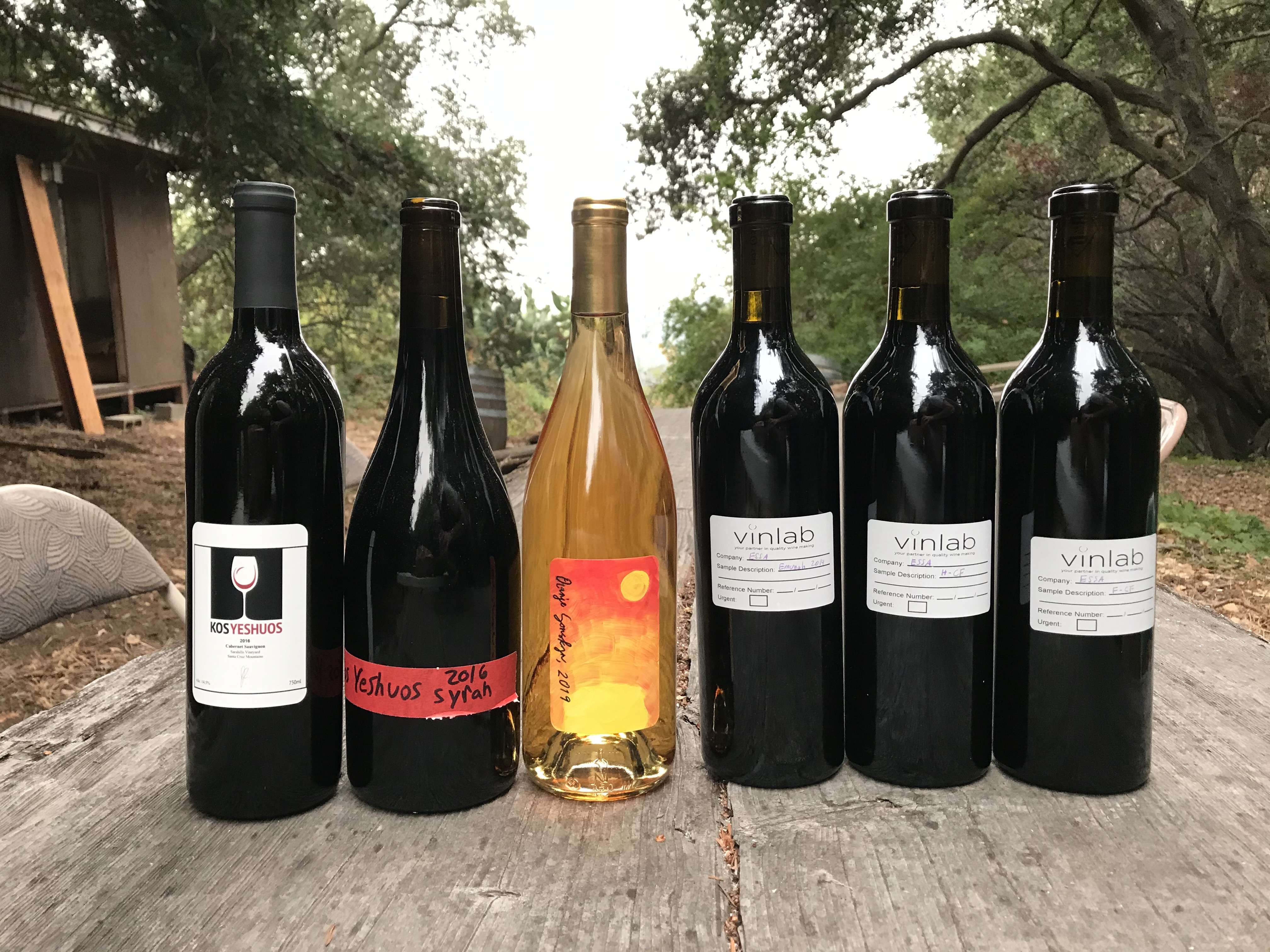
To see more about the story and life of Kos Yeshuos and the Ryndermans, you can read my post here about last year’s wines, and this post about the wines made under ESSA Wine Co. Sadly, the ESSA Wine Co. wines are still not available here in the USA, but they are nice!! We tasted the ESAA Wine Co. wines in September 2020, and the wine notes are also below.
Well, as you know Josh is a friend, and as always I make sure to disclaim things like that before posting my notes, like with Benyamin Cantz of Four Gates Winery. So, with that, my many thanks to Josh for coming by with the new wines to taste, safe travels, and best of luck on the 2021 Harvest in South Africa! Remember to bring me more of those wonderful South African reds when you are back in July/August 2021!
The wine notes follow below – the explanation of my “scores” can be found here:
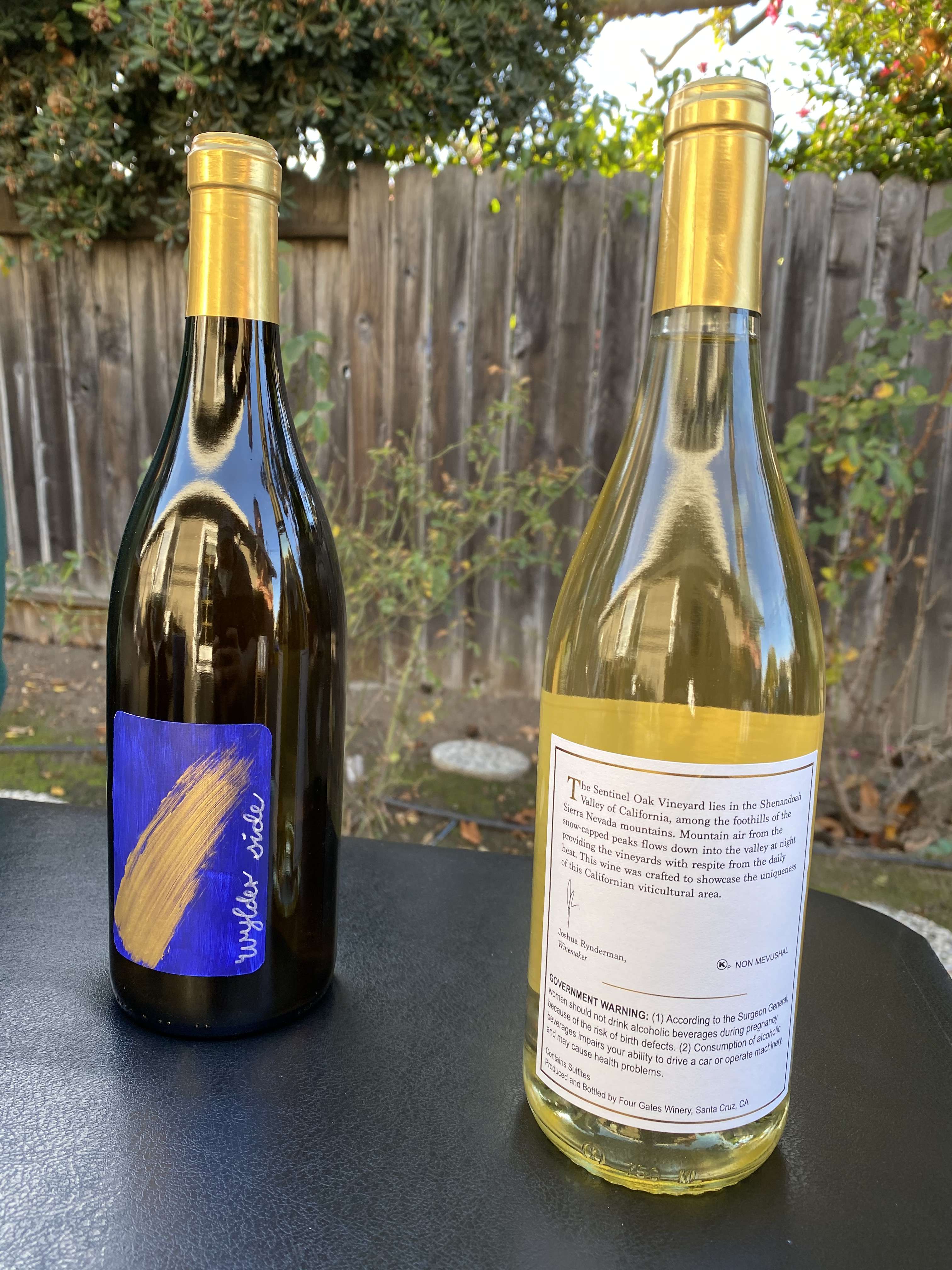
2020 Kos Yeshuos Viognier – Score: 92 (QPR: EVEN)The notes are on a bottle that was bottled less than 2 weeks ago. To start the nose opens to smell very much like the 2018 California Kid, which was Viognier/Sauvignon Blanc, this vintage is 100% Viognier. The nose starts with bright peach, pear, citrus, gooseberry, fresh hay, cardamom, jasmine, and flint galore. The mouth on this medium-bodied wine is lovely, layered, and rich, with waves of acidity that are almost overcoming, but they are tempered by the smoke, flint, peach, citrus galore, ripe pomelo, with an almost oily texture, followed by waxy notes, with lovely weight, ripe apricot, yellow pear, and more hay. The finish is long, green, with hints of foliage, more tart and juicy yellow fruit, gooseberry, honeydew, and loads of flint, smoke, and green notes. Bravo! Drink until 2023. (tasted Dec 2020)
2020 Kos Yeshuos Wylder Side Orange – Score: 92This wine is a blend of Viognier and Chardonnay made in an Orange style. This wine starts closed with apple notes and not much else. With a few hours of decanting the nose opens to what I expect from an Orange Viognier, with notes of almonds, candied peach, apricot, cardamom, sweet rosehip, sweet jasmine, with creme brulee, and fresh apple compote. The mouth on this medium-bodied wine is fun, the acid hits you first, but that is quickly overcome by waves of sweet tannin, followed by an oily texture that coats the mouth with sweet apricot, peach, oak, and notes of smoke and toast. The finish is long, toasty, smoke, flint, mineral, roasted walnuts, and more tannin that lingers forever. Bravo!! Drink until 2024. (tasted Dec 2020)
Share This:
Like This:
-
More simple white, red, and rose Kosher wines, with some mid-range reds – with more WINNERS
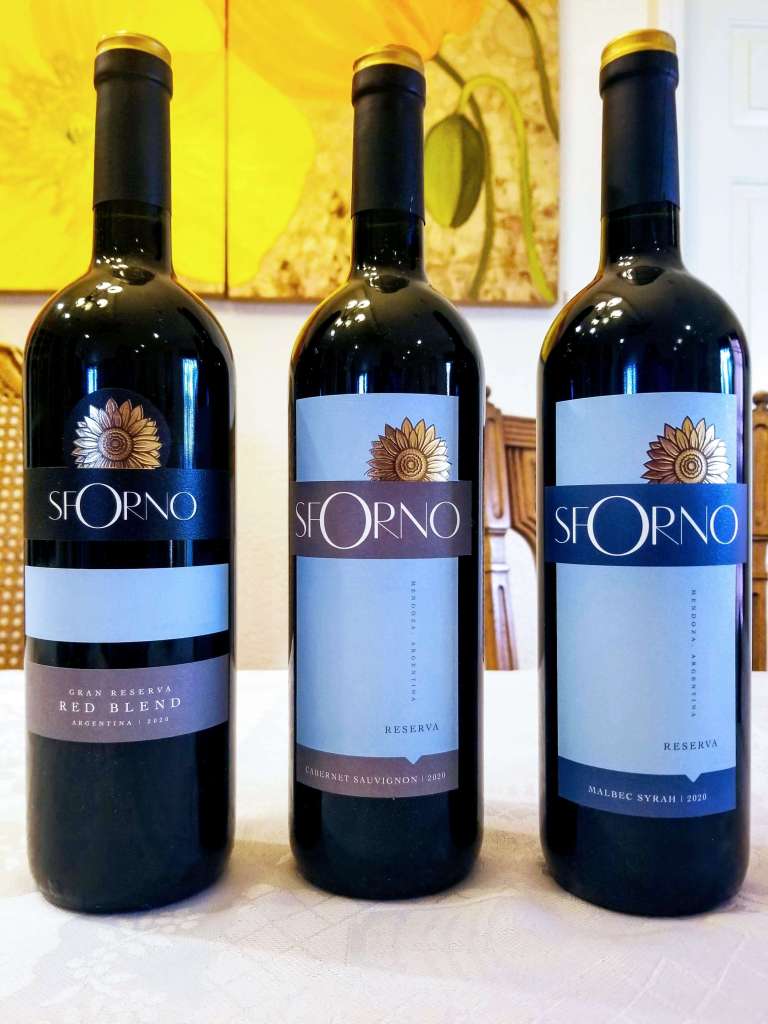
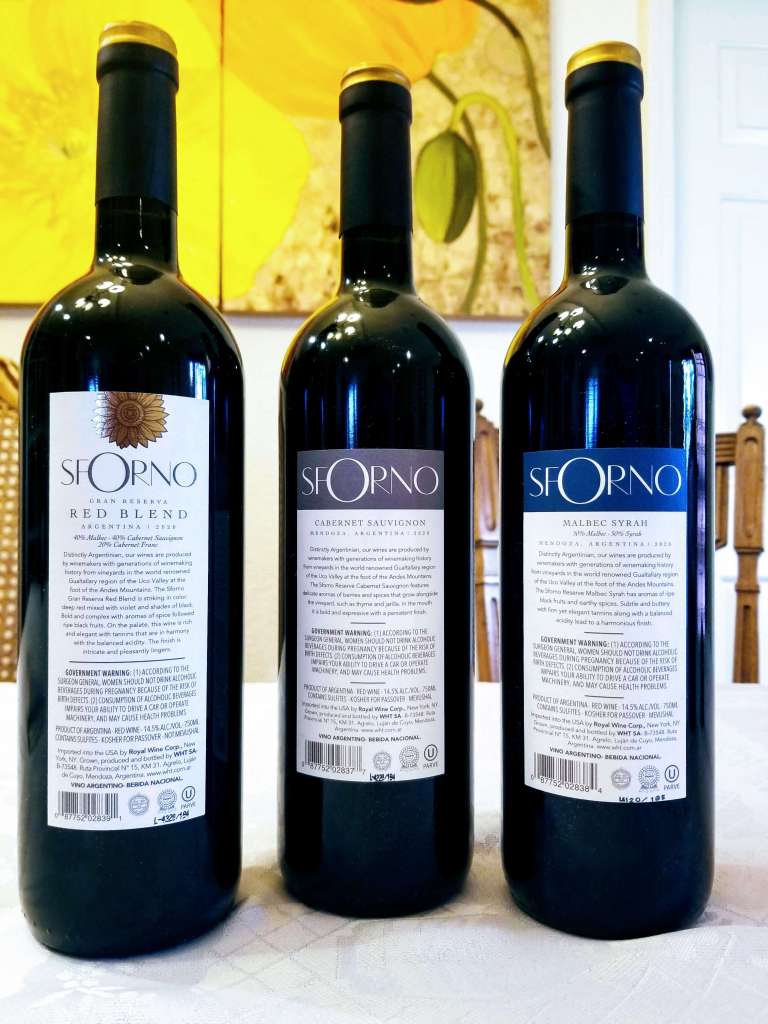
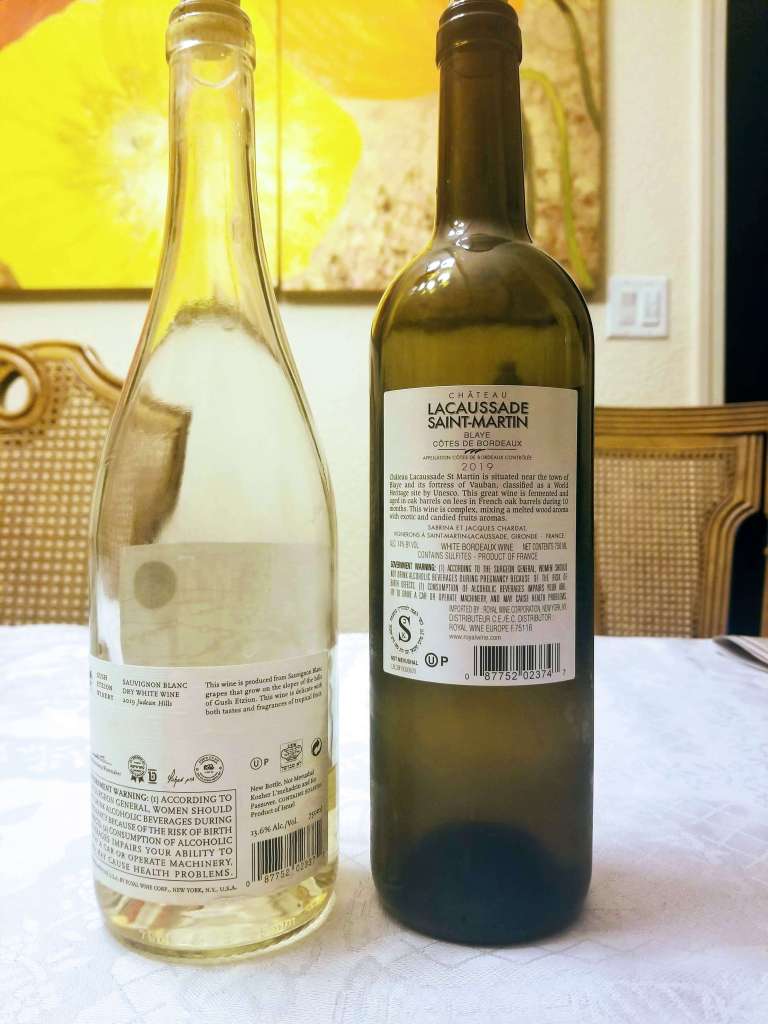
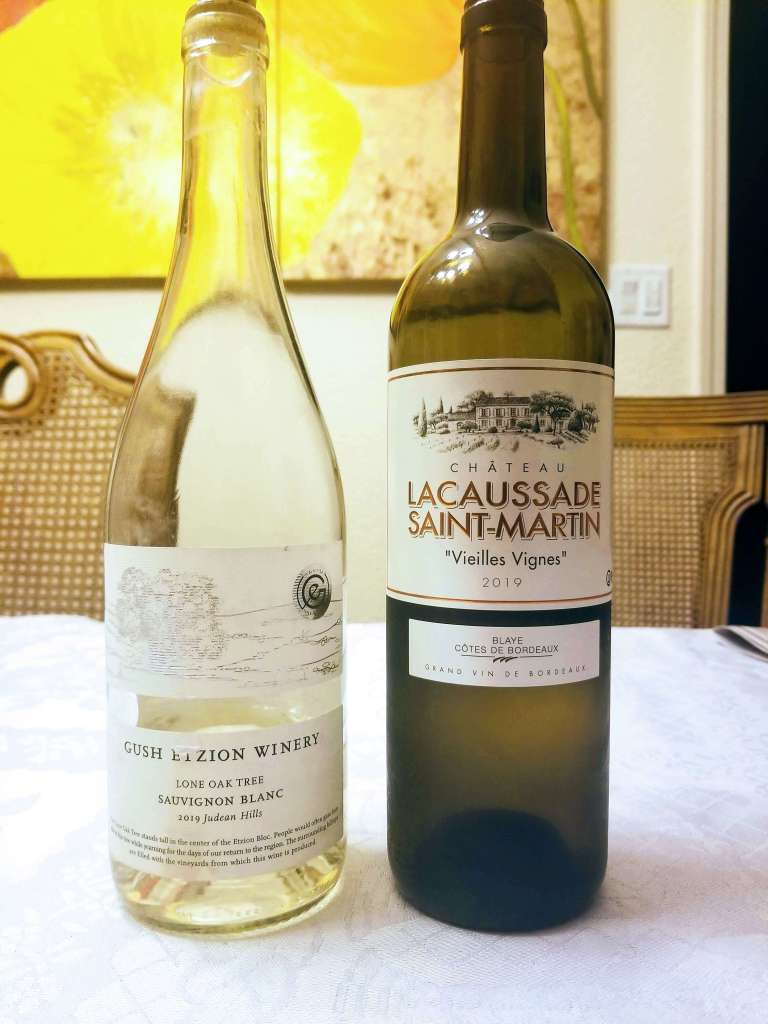
As I close out the QPR posts for each of the wine categories, I forgot a few of the simple white wines – so here is a post of them. Please look at the past simple white wines post for more on QPR and the simple white wine category. Again, QPR (Quality to Price Ratio) is where kosher wine needs to go. QPR means well-priced wines. Still, people do not get QPR. To me, QPR WINNER is what I describe and explain here. The overall revised QPR methodology is described here (and linked from the WINNER post as well).
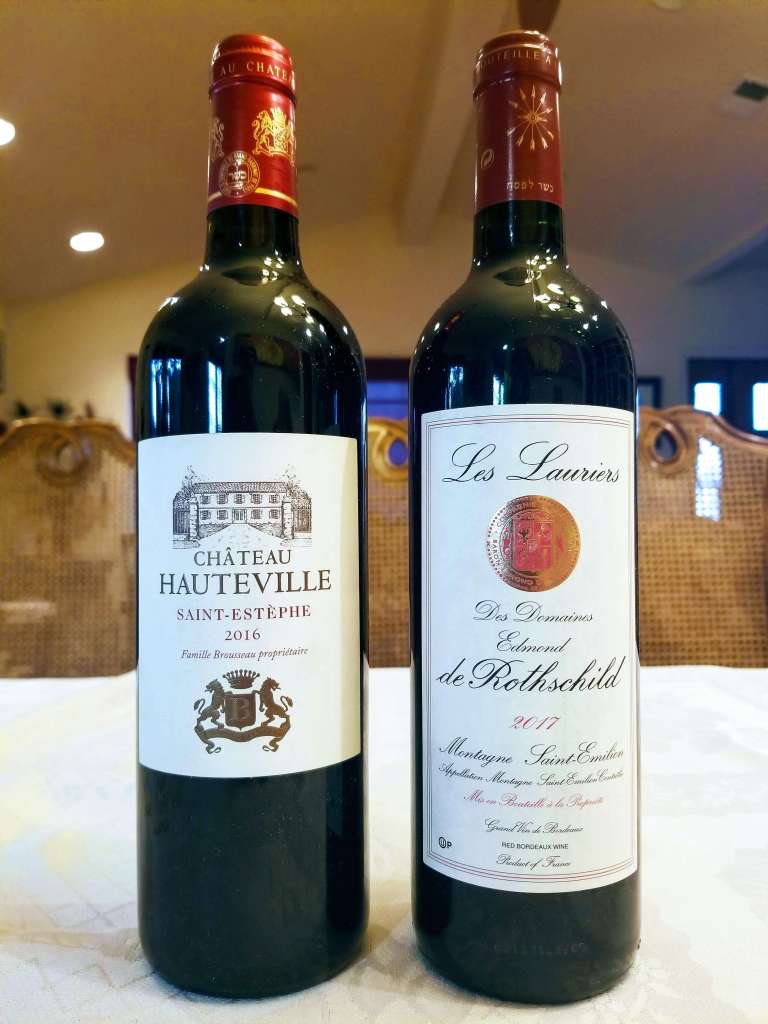
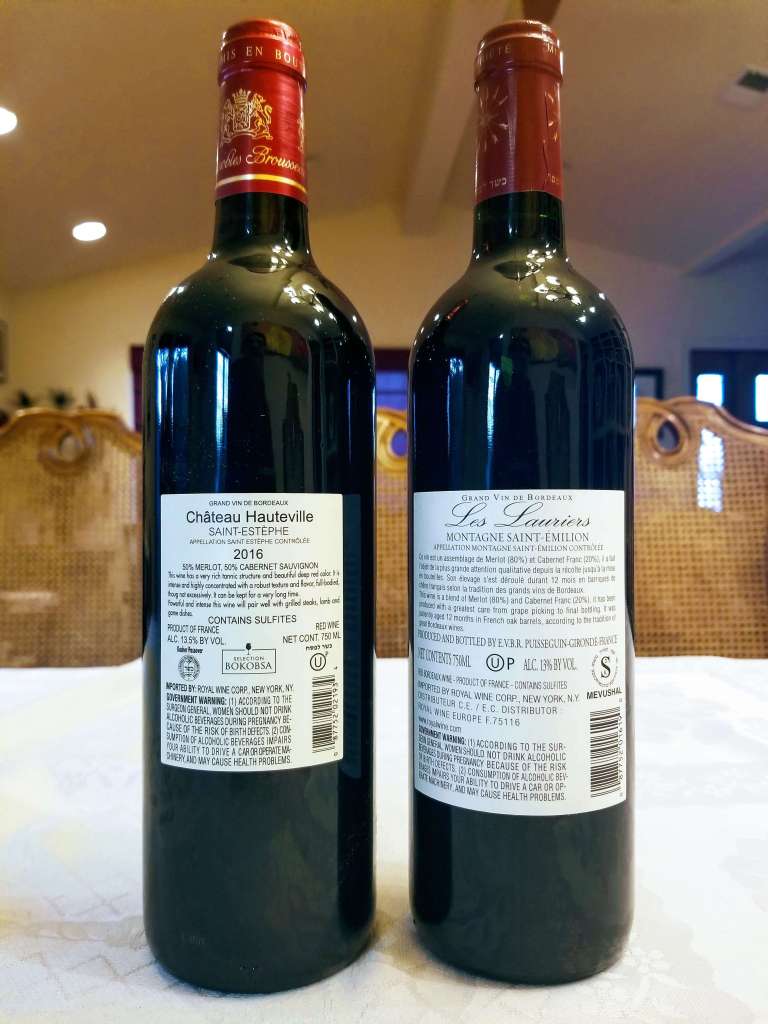
One more reminder, “Simple” white wines is a wine that will not age more than seven or so years. So, please no hate mail! There are many WINNERS here, enjoy! I also threw in a few roses with one WINNER, but it is a 2019 Rose, and 2020 roses are about to be released, so drink up those 2019 roses already. I also tasted a few reds, with the 2017 Les Lauriers de Rothschild getting a slightly higher score.
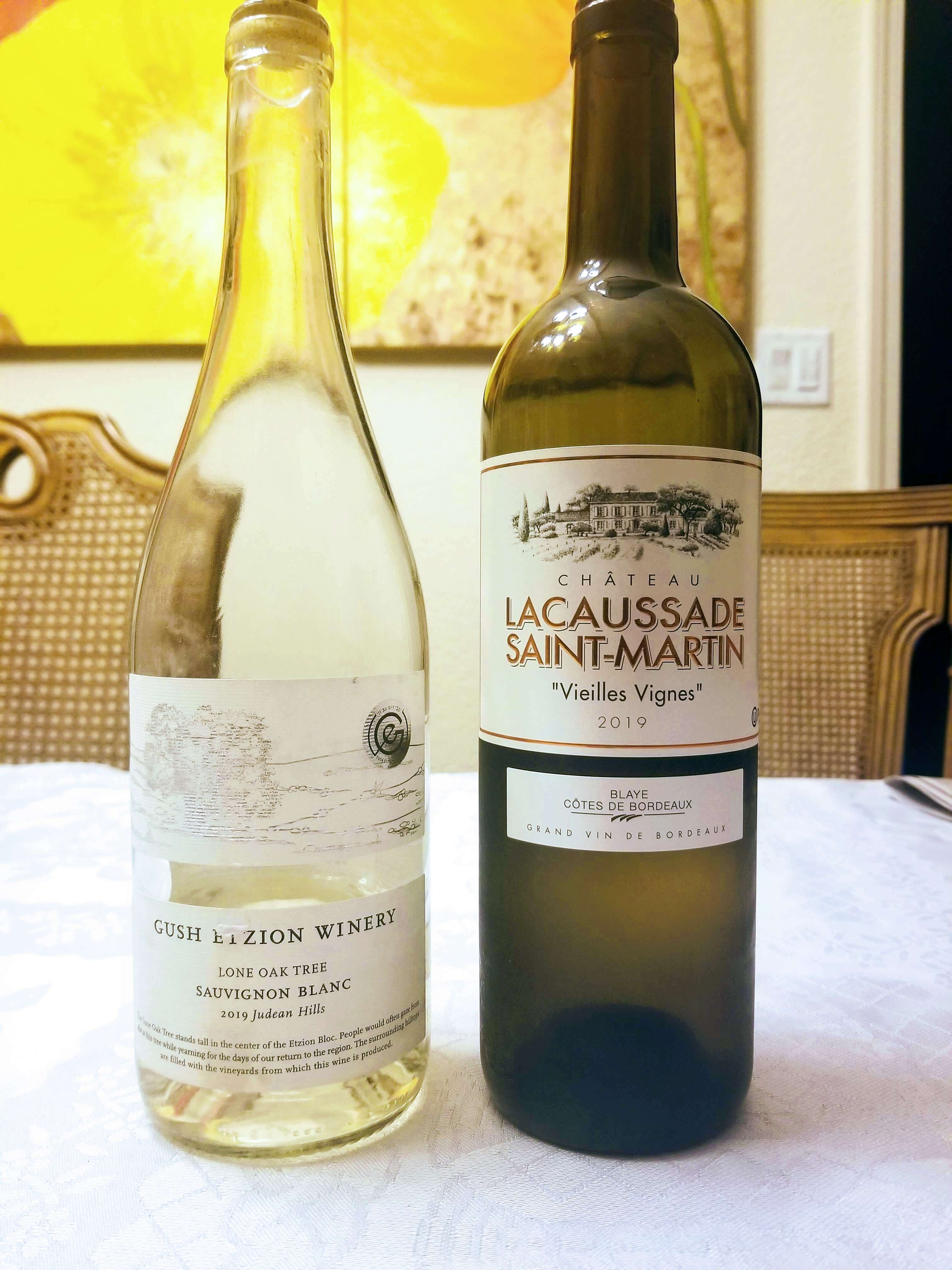
The clear WINNER of this tasting is the 2019 Chateau Lacaussade, Vieilles Vignes, Saint-Martin. That along with the 2018 Koenig Riesling, which I like more now than I did a year ago. Also, the 2017 Les Lauriers de Rothschild. The 2017 Les Lauriers de Rothschild, Montagne Saint-Emilion was a winner in my previous post, I just slightly raised the score on it.
The wine note follows below – the explanation of my “scores” can be found here and the explanation for QPR scores can be found here:
ROSE Wines (DRINK them now – if you must)
2019 Rubis Roc Rose – Score: 91 (QPR: WINNER)This wine is a blend of 50% Cinsault and 50% Cabernet Sauvignon. This is a weighty and food-required style rose than a refreshing rose. The nose of this wine is fresh and alive, with meaty notes, showing red and blue fruit notes, with nice citrus, with good attack and herbs. The mouth on this medium-bodied wine is solid, a drop less acid than I would like, but still very good with hot peppers, green notes, blue fruit, raspberry, dried lime/lemon, with mineral, and nice spice. The finish is long, green, and enjoyable, with good structure and nice minerality, nice! Drink now. (tasted Oct 2020)
2019 Yaacov Oryah Pretty as the Moon Rose– Score: 89+ (QPR: POOR)This rose is a blend of 45% Syrah, 40% Grenache, and 15% Petite Sirah. The nose on this wine is divine – a lovely nose of floral violet, loads of rosehip, followed by a bit of nice funk, dried and tart cranberry, along with loads of mineral, this smells like what I want from a Provence wine, with dried/tart red fruit, a bit of reductive oxidation, and green notes as well. The mouth on this medium-bodied wine is nice but the acidity is where the wine fails, it has acidity, but the wine’s profile, which has nice fruity and refreshing characteristics lacks the punch of bright acidity to bring it all together, still, showing mineral, and lovely red fruit, with tart strawberry, lovely green/tart apple, quince, watermelon, hints of passion fruit, and loads of mineral. The finish is long, complex enough, with slate, graphite, more flowers, and lovely freshness, WOW! Bravo! Drink now! (tasted Oct 2020)
Share This:
Like This:
Israeli Wine, Kosher French Wine, Kosher Red Wine, Kosher Rose Wine, Kosher White Wine, Kosher Wine, QPR Post, WineAlsace, Blanc, Blanc du Castel, Cabernet Sauvignon, Can, Capcanes, carignan, Chateau de Santenay, Chateau Lacaussade, Creek, Dalton Winery, de Rothschild, Domaine du Castel, Domaine Netofa, Gewurztraminer, Gran Reserva, Gush Etzion Winery, J. Folk, Jezreel Winery, Koenig, La Flor del Flor de Primavera, Les Bois de Lalier, Les Lauriers, Mademoiselle, Malbec/Syrah, Mercurey, Or Haganuz Winery, Pretty as the Moon, QPR, Red Blend, Reserva, Riesling, Rose, Rubis Roc, Samso, Sauvignon Blanc, Sforno, Shiran, Special Edition, Special Reserve, Tzafona, Tzuba Winery, Unfiltered, UnOaked Chardonnay, Vieilles Vignes, White, Yaacov Oryah Winery, Yatir Winery -
-
Kosher Orange wines from California and Israel, QPR WINNERS
I made this a QPR (Quality to Price Ratio) wine category and in many ways I regret it. What I did here was to create a situation where the only competition that exists is the next vintage! Essentially, if you want Orange wine or extended-maceration white wine, you want Yaacov Oryah wines. Not complicated at all. There are a few more out there and they are WINNERS, like the Shirah Orange Wine, and Binyamina Wines made one. Sadly, the Binyamina is sold out here in the USA, but the Shirah is for sale on their site and it is a WINNER! Get some! Kos Yeshuos made one, but in such tiny quantity that it was not for sale. Yaacov Oryah Orange wines are here in the USA and are sold by Andrew Breskin (AKA Liquid Kosher) – check them out!
I have spoken about Orange wine before, mostly when writing about Yaacov Oryah wines. Orange wine is simply the process of leaving white grapes to ferment on their skins, like red wine. To Mr. Oryah it is the truest expression of a white grape varietal and one that Israel can use now to create great white wines, while it searches for more data points on the path for Israel’s white varietals of the future.
The skins add more than just a bit of color, they add a huge amount of natural phenolics, along with tannin (yes tannin in white wine), and then it adds a few extracurricular notes, that some could find challenging. Notes that are defined as nuts and other aspects of reduction or oxidation. The point though is that orange (AKA extended-maceration white) wines are trying to expose more of the white wine than we get from the press and age/bottle style of white wines. Many of the orange wines show the proper and incredible next step beyond white wines we all know. The rich and layered complexity that skins add without some of the extracurricular notes. Some of the wines show those notes and many will find them wonderful, like myself, but in all, it is a show of control, experimentation, and more dots on the plot to a richer future.
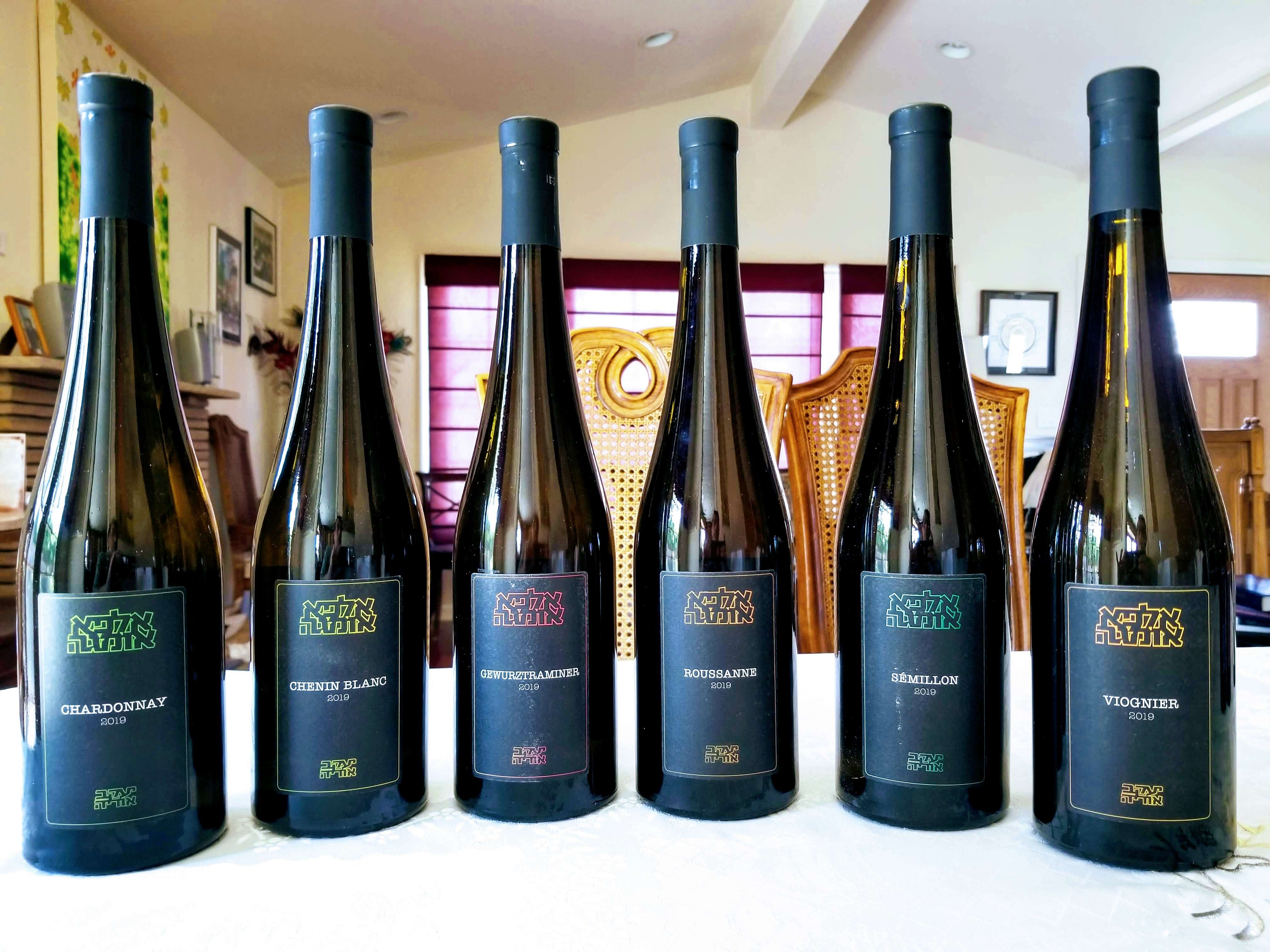
When I tasted through the 2019 Yaacov Oryah wines I saw two things that were not as evident in previous vintages. First, the 2019 vintage, for Israel, was HORRIBLE! Yes, I have stated this over and over, but it affected everyone. Second, this was the best showing of a varietal, in regards to Orange wine, then I have ever had. The Viognier, was Viognier, even after the extended -maceration. Same with the Chardonnay and onwards.
Overall, I found the Orange wines to be quite enjoyable. I am posting the 2018 and 2019 vintages of Yaacov Oryah wines, along with the other two Orange wines I had this year. The issue I have revolves around the QPR part of this. There are essentially many Oryah wines and a few others, this is EXACTLY what I was trying to avoid, and now I ran head into it with Orange wines. I stated the logic around the QPR (Quality to Price Ratio) wine categories as trying to find the grouping logic that gave me the largest sample set. Well, I FAILED horribly with this one. Also, the QPR scoring only works for the USA, Oryah wines are imported by Andrew Breskin’s Liquid Kosher. They are of course sold in Israel, but I do not have solid pricing there and that is too complicated. So, yeah, #FAIL, learned from this mistake. Going forward, this category will fall into the Ageable white wines (a post I need to get done as well) and the simple white wines.
PSA: This subject is very debated, but I find that Orange wines show best when cold. The heat on the wines shows as they warm to room temperature, so BEWARE!
The wine notes follow below – the explanation of my “scores” can be found here:
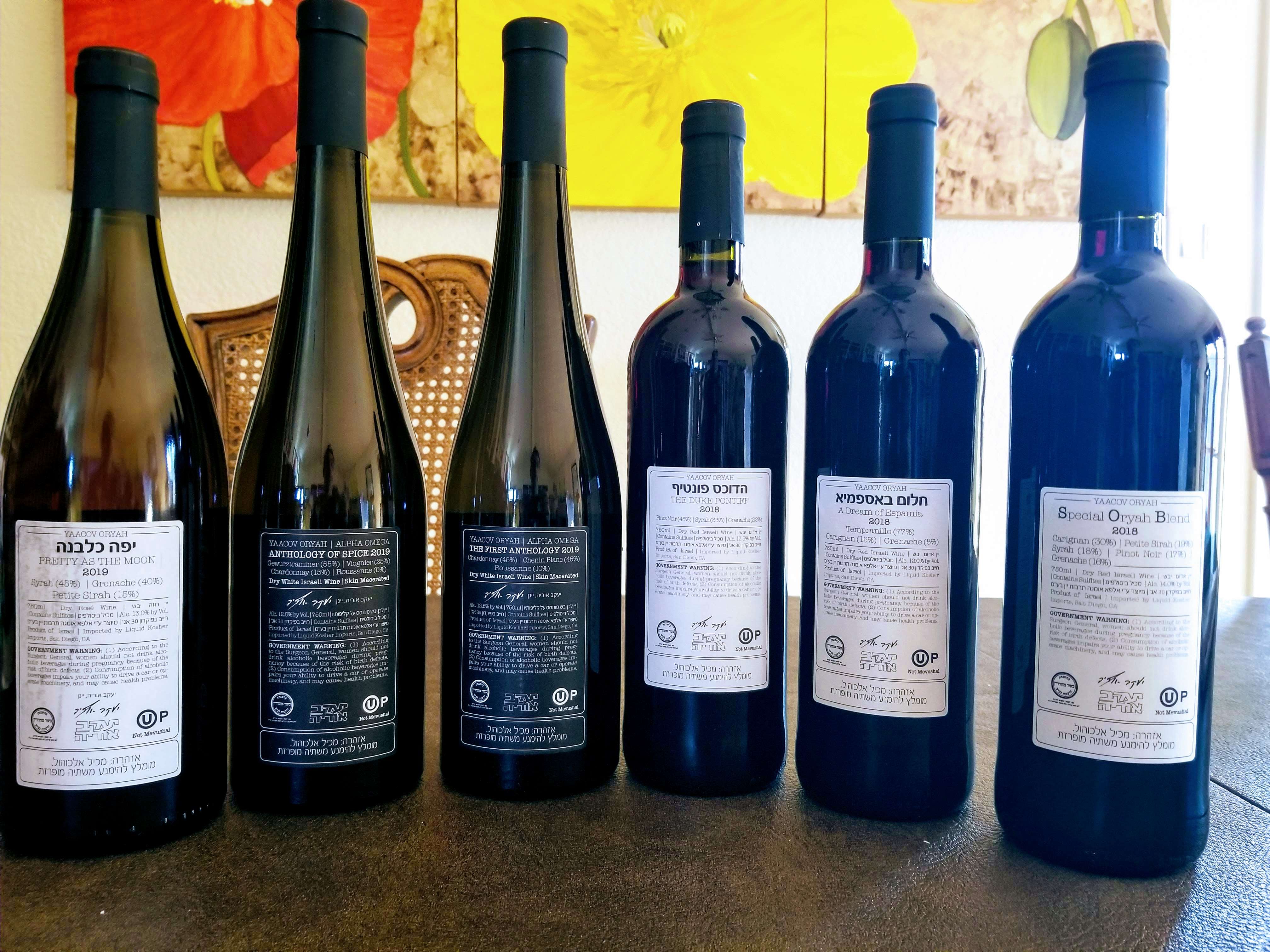

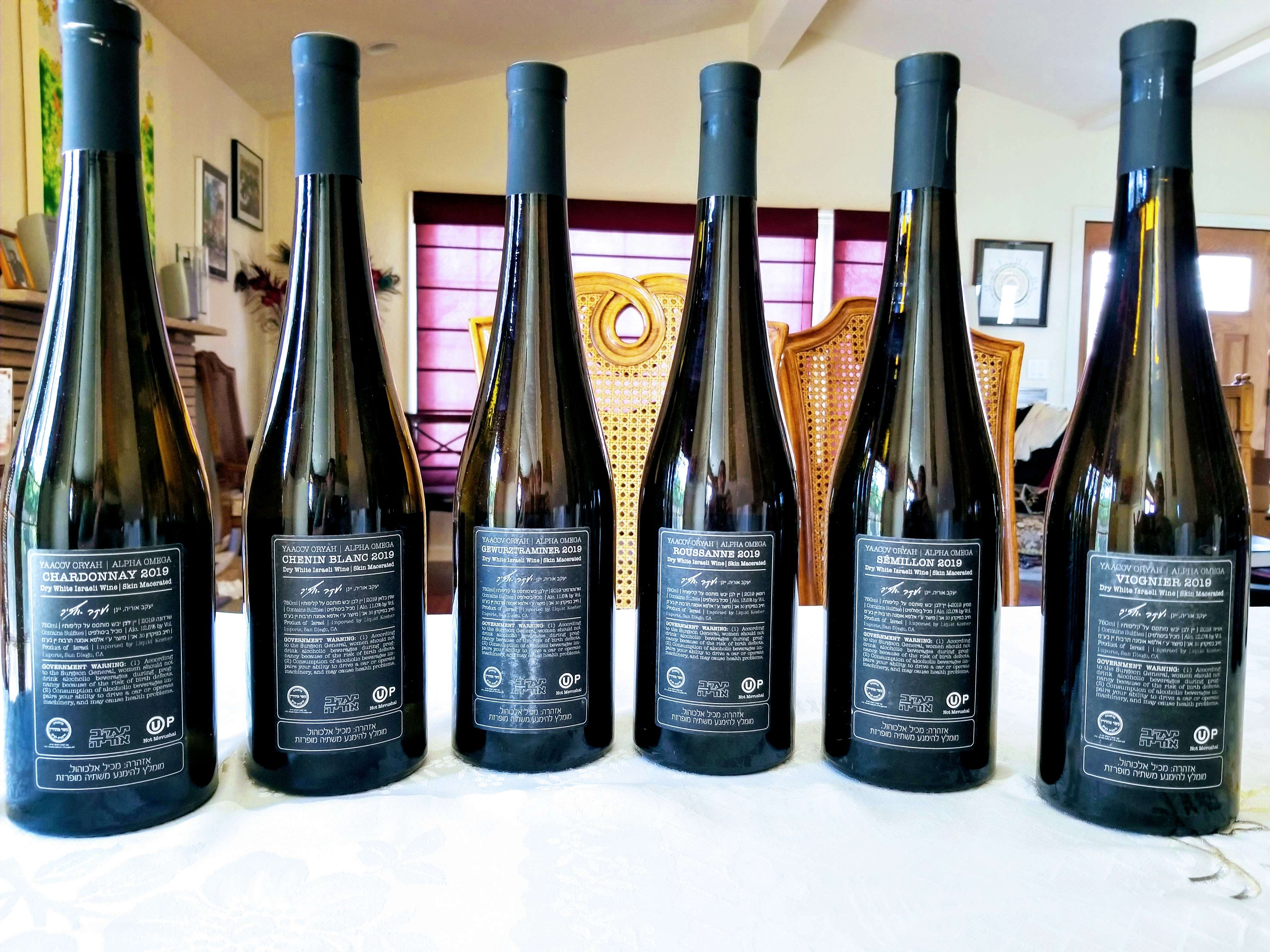
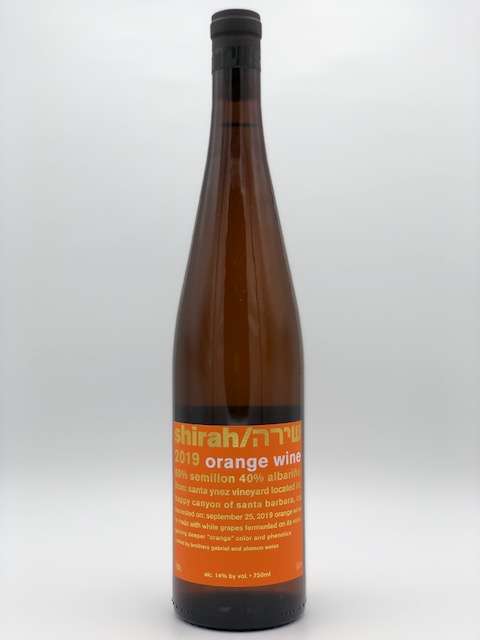
2018 Yaacov Oryah The Anthology of Spice, Alpha Omega – Score: 93 (QPR: WINNER)This wine is a blend of 50% Gewurztraminer, 40% Chardonnay, and 10% Roussanne. The 50% Gewurztraminer found here is the fruit that I spoke about above, fruit that was going to be wasted for just being itself, heady and spicy. As an Homage of an Homage, yeah more play on play on words, the wine talks to the original AO of old, while also staking this epic spicy fruit to two sturdy partners that add so much, while letting the Gewurtztraminer by itself, without being offensive.This is not a pineapple juice wine, this wine is more about the Gewurztraminer’s spice, with control, floral notes, blossoms galore, with rosehip, and jasmine-like notes, with apple, and earth. The mouth on this wine is beautifully tannic, great structure, showing a crazy fruit/spiced/mineral structure, with smoke, funk, with crazy layers upon layers of the spices, tannin, with rich extraction, with even more tannin structure than the previous wines, showing spice, nutmeg, cloves, crazy allspice, and floral notes, that give way to roasted herb notes, dry hay, straw, and green/yellow apple lingering long with melon, more grass, lemon, and spice galore lingering long. WOW!! Drink by 2025. (tasted May 2019)
Share This:
Like This:
-
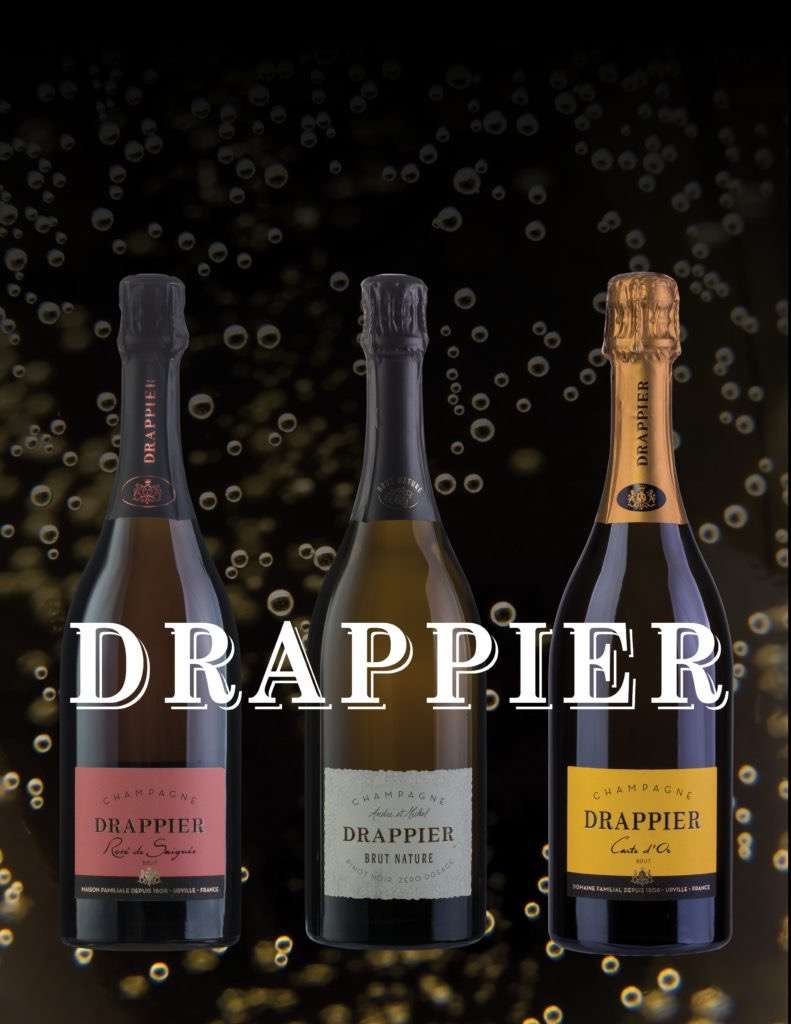
Kosher Sparkling wines for the end of 2020 – WINNERS from Drappier and Yarden
Share This:
Like This:
Blanc, Blanc de Blanc, Bokobsa, Brut, Brut Nature, Carte D’Or, Champagne, Cremant d’Alsace, Cuvee Leon, Cuvee Lucien, Cuvee Rose, Dalton Winery, Drappier, Frerejean Freres Champagne, Giersberger, Gilgal, Hagafen Winery, Heritage, Herzog Selection, Janisson & Fils, Jezreel Winery, Late Disgorged, Laurent Perrier, Louis de Vignezac, Michel Gonet, Pet-Nat, Premier Cru, Prix Reserve, Ribeauville, Rose, Rose de Saignee, Sieva, Yarden Winery -
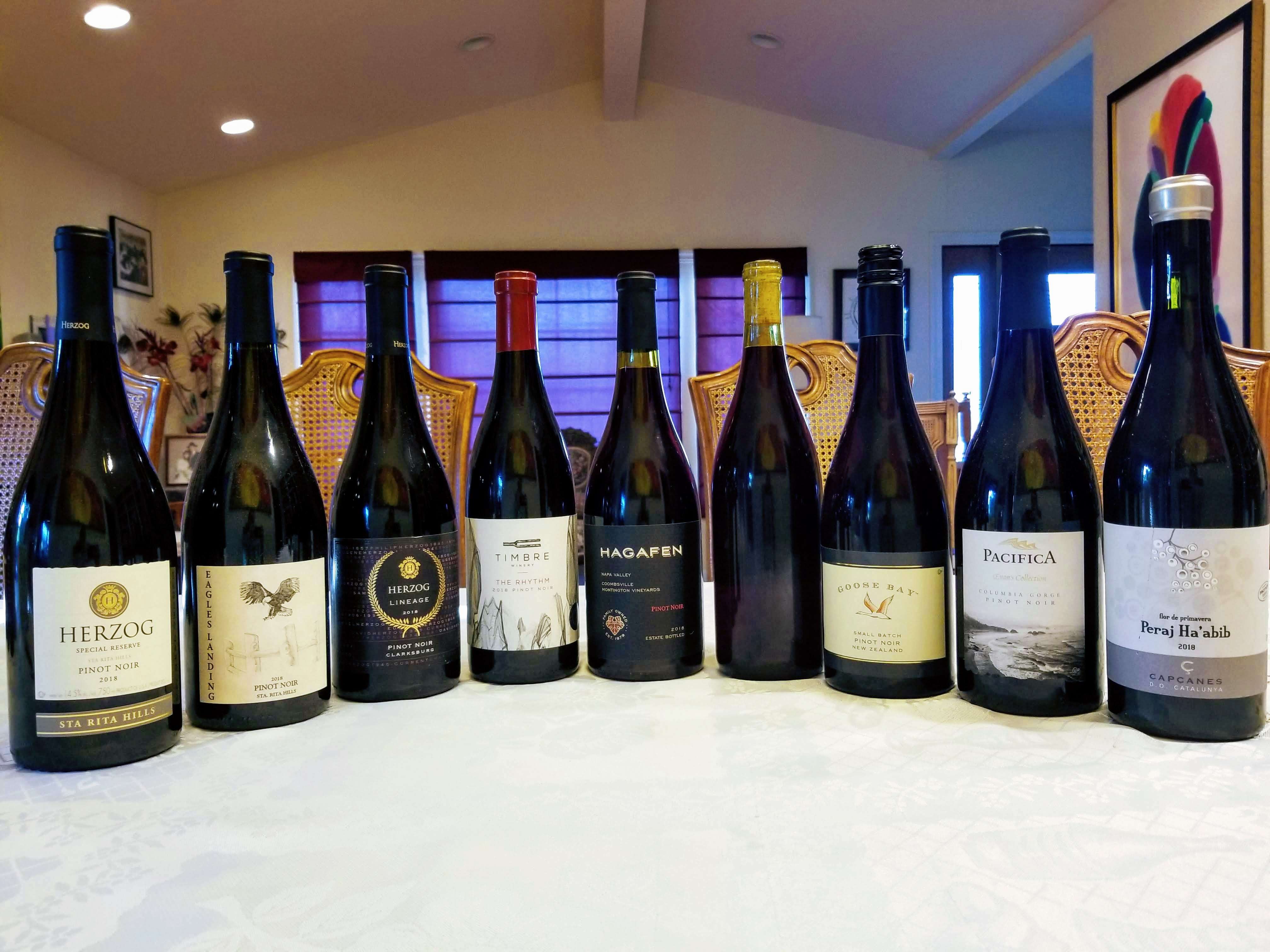
A lineup of the available 2018 kosher Pinot Noirs from around the world
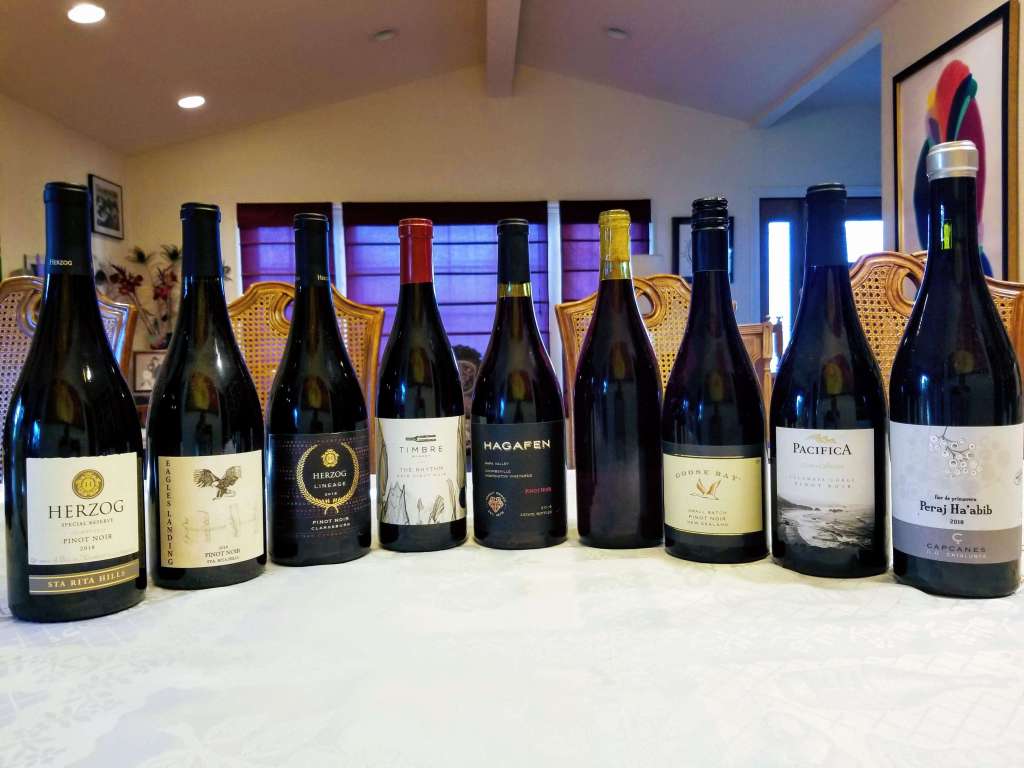
In the past few months, there have been many releases of Pinot Noir from the 2018 vintage. For the most part, there are no real winners here, QPR and otherwise, except for two – the Herzog Pinot Noir, Reserve, and the Herzog Eagle’s Landing Pinot Noir (though the Eagle’s Landing is the only QPR WINNER).
The tasting included all the wines I could find though I left out two, the 2018 Barkan Pinot Noir and the 2018 Tura Pinot Noir. Both of them are Mevushal, and they do a HORRIBLE job on Mevushal, so I did not want to waste my money. My love for all things Pinot is well known, and I had such high hopes. I also seemed to have missed tasting the 2018 Vitkin Pinot Noir, as well.
It is funny how the media can change people’s perspectives, and in some cases twist them in a way that we would not expect. Say Pinot Noir and most wine drinkers will think of the enigmatic anti-hero Miles Raymond, and his explanation on his love for Pinot Noir; “…It’s, uh, it’s thin-skinned, temperamental, ripens early. It’s, you know, it’s not a survivor like Cabernet, which can just grow anywhere and thrive even when it’s neglected. No, Pinot needs constant care and attention. You know?…“. Pinot is a complicated grape – but not to its detriment. Listen to Miles throughout Sideways and you may come to think that Pinot is fleeting, flinty, thin, and complicated. In the end, as you watch that horrible movie, you quickly realize that Miles was simply projecting in a fire fueled rambling and using Pinot Noir as his conduit.
To the French, Pinot Noir is called Burgundy – following the tradition of French wineries to name their wines after the region where the grapes are grown. Americans have had success with Pinot – in California, Oregon, and Washington State. New Zealand, has taken the lead in bringing the grape into the 21st century. The French Burgundy has its terroir (earthy dirt flavors, sometimes barnyard flavors as well). The New Zealand and American Pinots show characteristics that are more akin to Syrah than Burgundy – fruit-forward, meaty wines with soft caressing tannins. The rest of the world is choosing sides. Though true terroir flavors are hard to replicate outside of Burgundy, many countries have been successful at bringing out the true fruit characteristics that the land is willing to share and are creating wonderful Pinot Noirs. Israel was starting to come into its own with Pinot Noir, now all I would buy from Israel, in regards to Pinot would be from Gvaot. Yes, Vitkin does a nice enough job, but Gvaot does a better one. Right now, the best bet is France and the USA, with a drop from Israel, and after that, we are on empty. Sadly, 2018 was not a great year for Four Gates and what I had was not great, it was never officially bottled, but we have 2019 coming soon!
Sadly, Pinot Noir to me is one of those wines that is so badly mangled in the kosher wine world, that it is no shock that most kosher oenophiles, turn face when u say Pinot Noir. Not on account of the Pinot Noir grapes themselves, but rather on account of the pathetic state of kosher Pinot Noir wine on the market.
Say, Pinot Noir to me, and sadly I can only think of:
- Four Gates Winery
- Gvaot Winery
- Eagle’s Landing Pinot Noir (2016 and 2018 are great)
- 2014, 2015, 2017 Chantal Lescure Burgundy from Pommard (I hope there is a 2018 vintage, I disliked 2016)
- 2017 Jean-Philippe Marchand Burgundies (2019 vintage was just released)
- 2018 Jean Luc & Paul Aegerter Burgundies
- 2010 Domaine Gachot-Monot Beaune 1er Cru Les Cent Vignes (this is the last of good “cheap” Burgs)
- 2016 Maison Roy & Fils Shai Pinot Noir, Willamette Valley (Sadly it was a ONE and done deal)
- Hagafen and Vitkin have left me wanting more, and forget the rest of Israel’s Pinot Noirs. The same goes for Pacifica, which has also been lacking, other than one vintage.
Pinot Noir is one of my favorite wines, NO NOT because of sideways! I loved the wine long before that horrific cult movie hit the theaters. I love PN for what it stands for – complexity through things other than fruit! A well made Pinot Noir, in my humble opinion, needs to be of medium body, medium fruit structure, accompanied by mounds of dirt, mushroom, barnyard, and earthy goodness. The ultimate aspect of a great PN is the secondary flavors, not the fruit, not cherry cola, and for the LOVE OF GOD not OAK! It is all about the secondary and old age notes that come with time and love.
Sadly, look at that list. Four Gates is tough to get in quantity. The Gvaot Pinot is available, but they are more Cab and rich than a pure ethereal wine, though very impressive. The Eagle’s Landing 2013 vintage is still available at the winery, and the 2016/2018 vintages rocked! The real winners are the French options, but they are NOT cheap.
So, where are we? Some like the Galil Pinot and other such structured wines, but to me, they are just bad Cabernet in a Pinot’s clothing. This is a shortlist. Heck, there are HUNDREDS of Cabernet, Merlot, Syrah, even many Cabernet Franc options. But say Pinot and numbers dwindle in the blink of an eye. Further, many of the options here are vintage based. For the true Pinot lover, Four Gates and France are your sure bets. Sadly, only the last one is pumping out wines consistently.
PSA: What is wrong with you all?? The Eagle’s Landing Pinot Noir has consistently been a high-rated wine and one that lasts for a very long time, improving along the way with great panache. Yet, you can still buy the 2013 and 2016 vintages of this wonderful wine!! I bought a bunch of 2013 from Herzog. I get NOTHING to tell you this other than pleasure. BUY the wine and enjoy one bottle now and save the others for a rainy day in 2026. Buy this now!!
Sadly, there were no surprises here, the 2018 Gvaot was nice, the Eagle’s Landing was great, and the Herzog Reserve Pinot (a return after many years of non-production) was also very nice. That is about it. The 2018 Jean Luc & Paul Aegerter Burgundies were tasted previously (the notes added here for completeness).
The wine notes follow below – the explanation of my “scores” can be found here:
2018 Herzog Eagle’s Landing Pinot Noir, Santa Rita Hills – Score: 93 (QPR: WINNER)Let me start by saying buy this wine, buy lots of this wine, I mean a LOT! OK, now this wine is a bigger and richer version of the 2013 Eagle’s Landing Pinot Noir, in other words, this wine is a beast, a winner, and yes – get this wine! My only comment is that this wine is not a classically styled Pinot Noir. This wine is full-bodied and not so much about cherry and raspberry and more about blackberry and spice, I would not have initially guessed this was a Pinot Noir, still this a wonderful wine. My only real complaint is the strangely small cork used as its closure, when the Cabernet Franc has a much longer cork, just not sure why. Anyway, I do not care about corks, as long as they last long enough to meet the drinking window.The nose on this wine is pure heaven, coffee and chocolate, and fruit madness, with dirt, mushroom, loam, and spice, all wrapped in dark and brooding fruit, showing control, spice, earth, and sheer umami notes, wow!! The mouth on this full-bodied wine is wow! the mouth starts very softly, almost like a leopard crouching before it pounces upon its prey, this wine is beautifully structured to last, and so well made it is almost difficult to get all the thoughts out of my head, layers of fruit, acid, tannin, salinity (that is incredible), black olives, with epic fruit structure and concentration, with clear and bold and jammy blackberry, raspberry, dark cherry, with intense saline, forest floor, searing acidity, and layers of dark jammy brooding but well-controlled fruit. With time the cherry and raspberry fall behind the intense black and intense brooding fruit. The finish is equally impressive with layers of chocolate, coffee, leather, spices, nutmeg, cloves, rich earth, lovely smoking tobacco leaves, sweet and jammy fruit, all wrapped in mineral, spice, and earth. Bravo!!! Drink from 2024 until 2033 or longer.
Share This:
Like This:
Bourgogne, Capcanes, Domaine Ternynck Bourgogne, Eagle’s Landing, Evan’s Collection, Gevrey Chambertin, Gilgal, Gofna, Goose Bay, Grume D'Or, Gvaot Winery, Hagafen Winery, Hautes-Cotes de Nuits, Herzog Cellars Winery, Jean Luc & Paul Aegerter, Lineage, Napa Valley, Pacifica, Peraj Ha’Abib, Pinot Noir, Pommard, Reserve, Segal Winery, The Duke Pontiff, Timbre, Yaacov Oryah Winery -
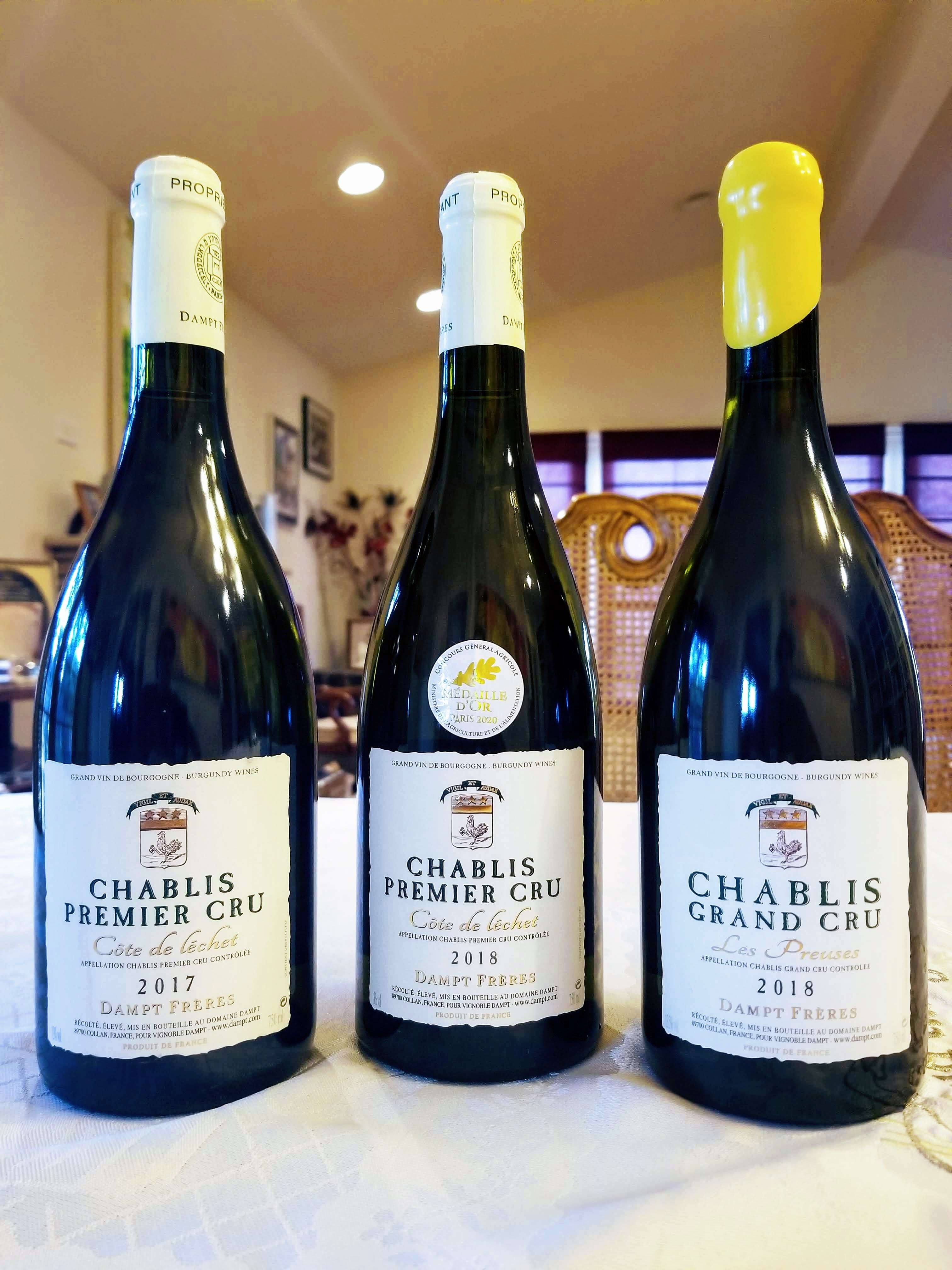
Three incredible Chablis from Dampt Freres, with two QPR WINNERS
Share This:
Like This:
-

Two new vintages from Chateau Cantenac and Elvi Wines EL26 that are near the top of the High-End red wines for 2020
Share This:
Like This:
-
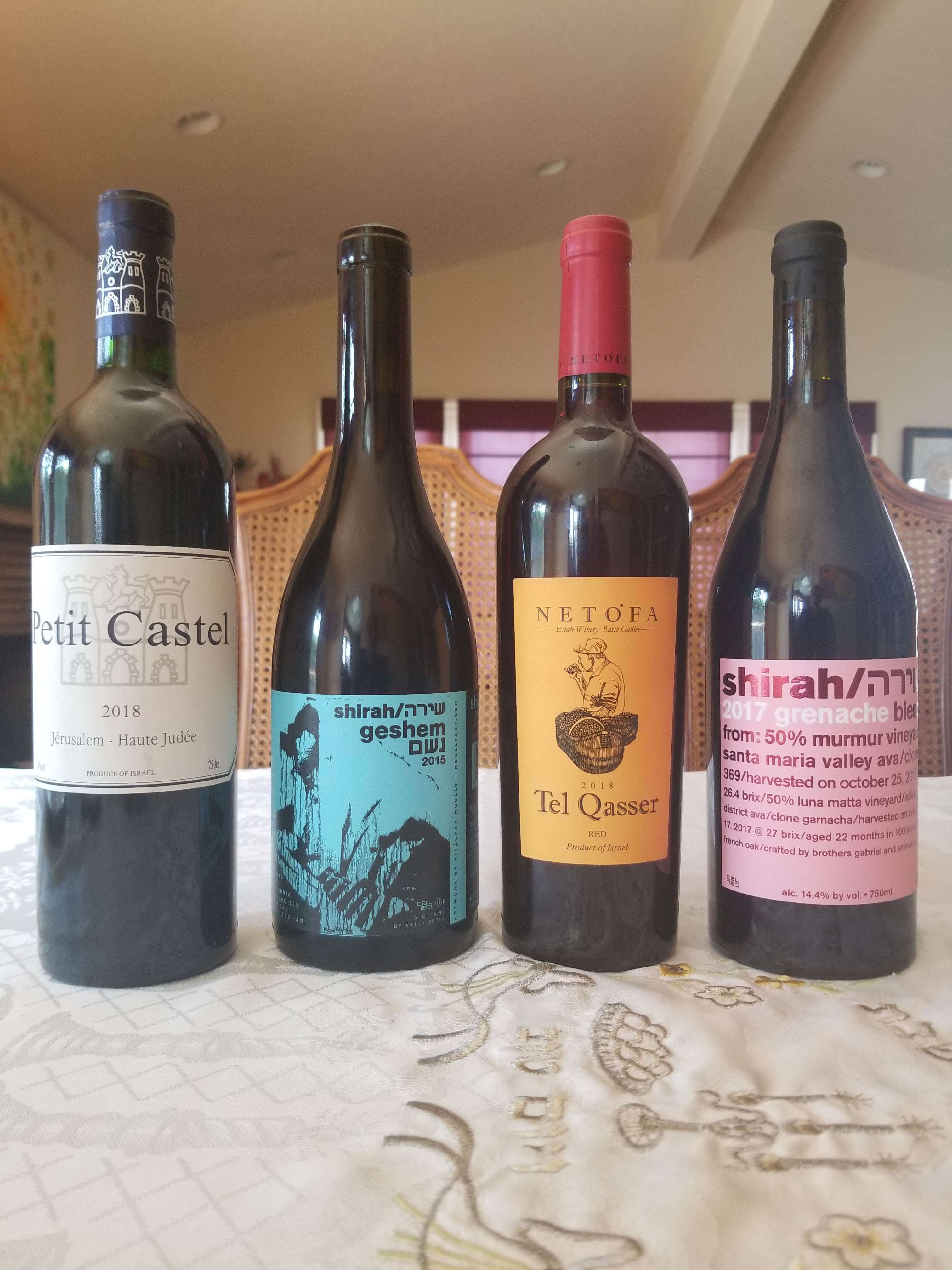
Kosher Mid-Range aging red wines may well be the sweet spot for the kosher wine market – lots of WINNERS.
We are working our way through the QPR 2.1 and 2.0 wine categories and so far, outside of simple white wines, there has not been a lot of love or WINNERS to talk about. However, things start to change with the 2nd red wine category.
These wines are drinkable now but will improve a bit with time. They are not the undrinkable wine category, which will be next, but rather these wines are good now and may garner some of those tertiary notes we all love so much, with a bit of time in the bottle. These kinds of wines are normally more expensive, but this is where the QPR (Quality to Price ratio) sweet spot exists, IMHO.
As explained in my last post, the wine categorization is impacted by what I think the wine will last. Meaning that a poor wine will not be more enjoyable in 5 years if it is a painful date juice now. Nor will the wine be more ageable depending on the price of the wine. The length of time wine can live in the bottle is not scientific in any manner, it is subjective, much like the wine’s score, still, it is based upon this that the wines are judged for their QPR.
Mid-range aging Reds (4 to 11 years) – cellar saviors
As I have stated enough times now, the fact that a wine can “live” for 10 or so years, tells you that the wine is good to start with, or at least professionally made. Still, the next level up, High-end Red wines (11 and more years), come at a much higher price range. Yes, there are sweet spot wines there as well, but there are more here in the mid-range options. Also, these are the wines that will save your cellar. Look, I like wines like the 2019 Chateau Les Riganes, or the 2017 Chateau Mayne Guyon just fine! But when you want something with a bit more polish or elegance and you do not want to raid your high-end wines early, THIS IS the category to go to!
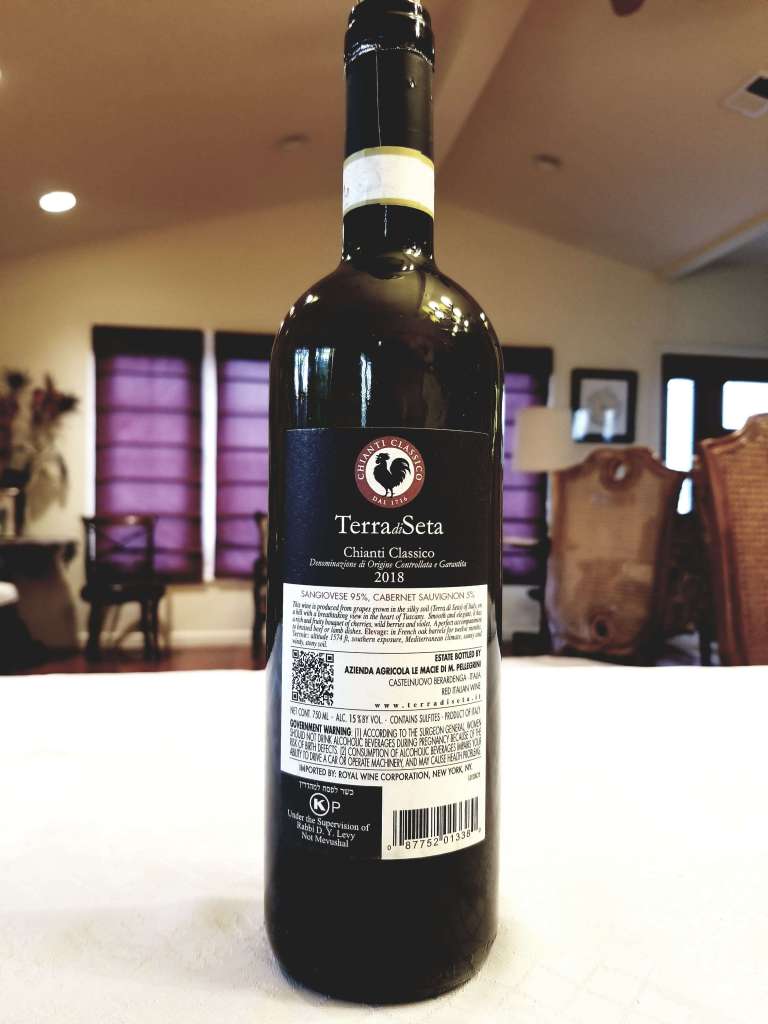
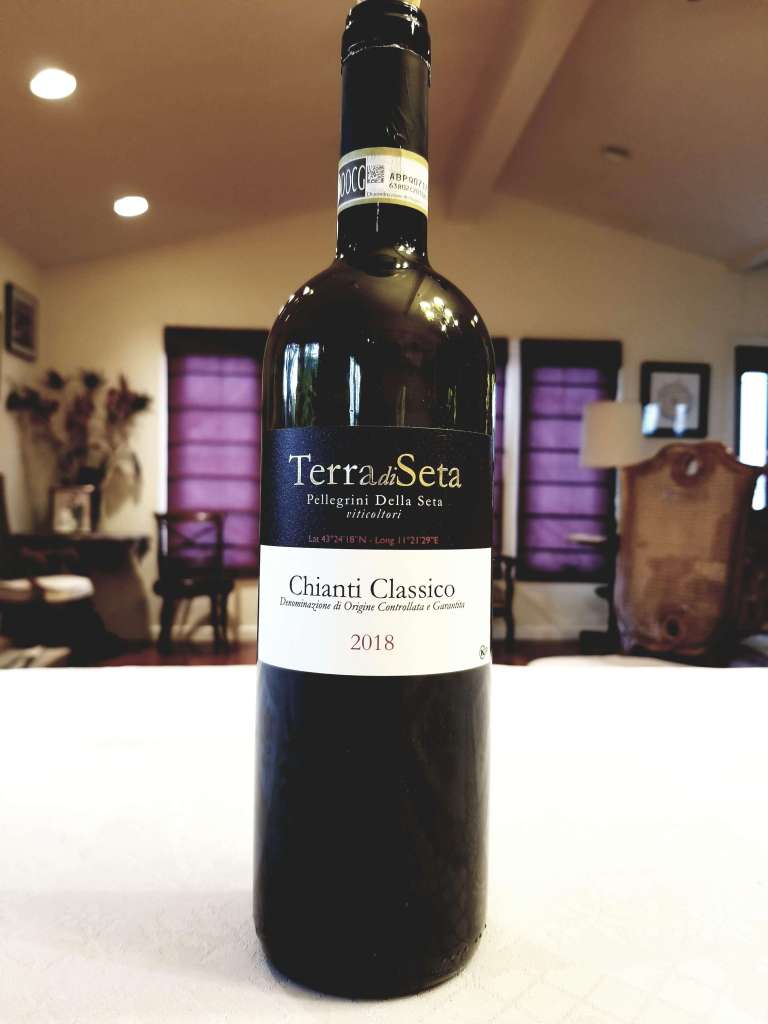
If you want that next level is quality but not the next level in price, per se, this is the category to hit. Here you will find wines like the 2017 Chateau Greysac, Medoc, the 2015 Louis Blanc Crozes-Hermitage, and the 2018 Terra di Seta Chianti Classico, which all scored 92 or higher and are all priced at 30 dollars or lower. While I would say these wines will improve with more time, they can at least be enjoyed now, without robbing the cradle of wine like 2015, 2017, or 2018 Chateau Fourcas Dupre.
On a Facebook post, I and many others were asked over and over about this wine or that wine, wines that were still far too young to be appreciated now. My response was the same over and over, stop opening bottles so early! I opened a bottle of 2007 Four Gates Cabernet Franc, 2 weeks ago, it was an absolute joy but also, a wine that was so young it was truly a crime! STOP opening wines early folks. Let the wines come to you! This wine category is where you will find the richer, more complex options, for a higher price than the Simple reds, but still at a lower price point overall than the higher-end reds. There are 20+ WINNERS here, between USA and France, BUY them and SAVE YOUR CELLAR!!!
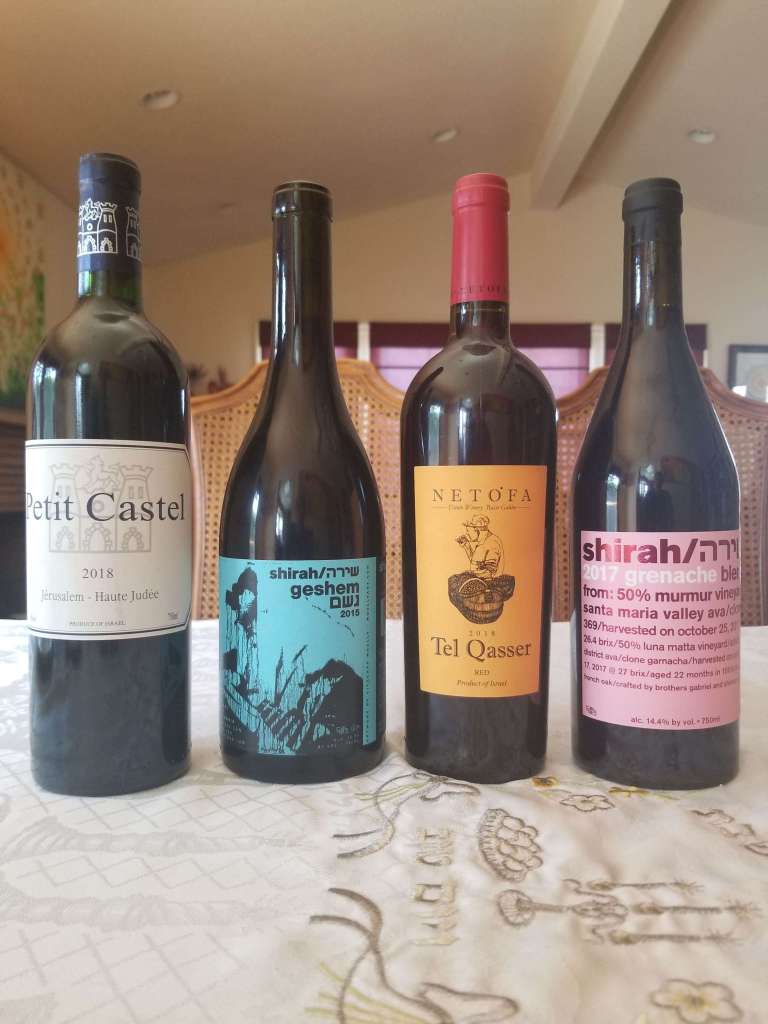
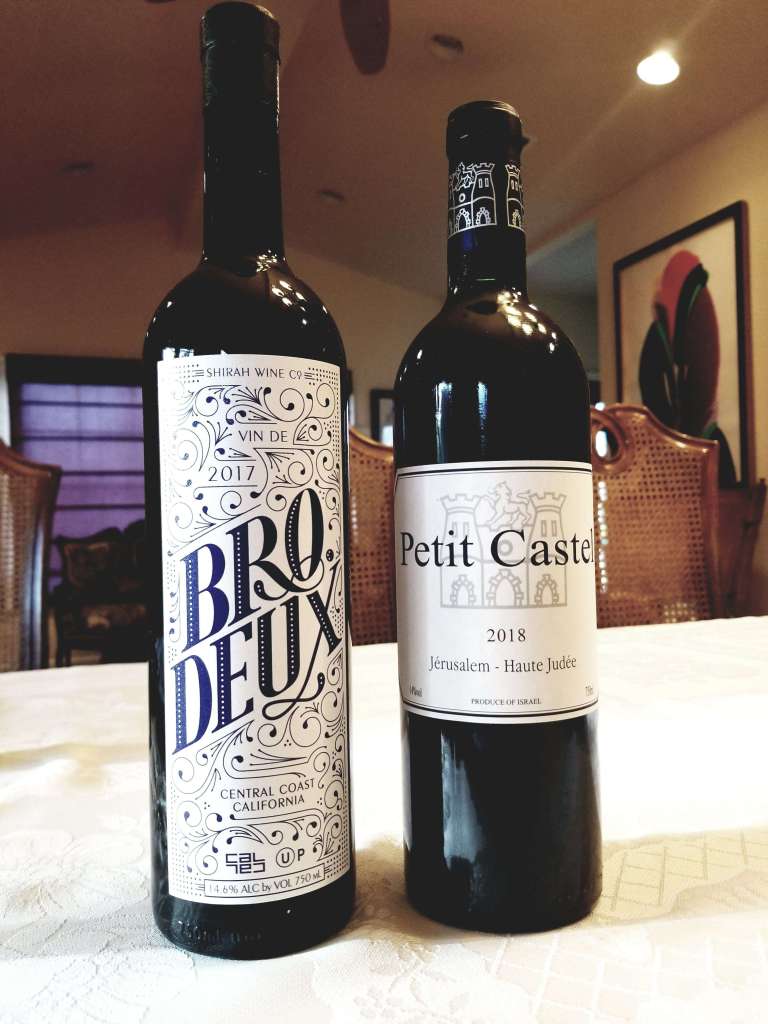
Shirah Wines Post
If one takes even a cursory look at this post and the wine notes below, the predominant winery/producer you will find is Shirah Wines. I got all the current wines in May of this year. It took me a bit of time to finally post them. As I stated last year, in my year in review, California had indeed turned its direction towards riper fruit and wines. Shirah contacted me and I bought the current wines to make 100% sure that my notes were in line with my comments, you can make your mind up from the notes.
I will stress THREE points here AGAIN, as I have done over a long time already:
- I crave the 2010 (AKA NV) /2012/2013/2014 Bro.Deux and the 2013 Syrah, and I FONDLY remember the old days of the One-Two Punch. Those were and still are VERY different wines than what is being sold now. I have had all of them recently and still have some bottles. They are wonderful, but they are not what the 2016 or 2017 Bro.Deux is like today.
- I strongly believe in Shirah Wines, I think the wines they produce are professionally made and are perfect for the bigger/flashier/riper palate that is the cornerstone of today’s kosher wine-buying public. They are just not the wines I want.
- Finally, there has been a clear and very big shift in the palate of the wines being made in California, today. Even Four Gates wines are getting riper. The issue here is all about balance. If I feel fruit is overripe and sticking out, to a point where I do not enjoy the wine, but rather think about the ripe fruit, I will move on. I understand this is a subjective way of seeing wine. I get that, and that is what makes wine so fascinating. Like all of art, it is not what is true or false as much as it is what one likes or dislikes.
WINNERS and other demarcations
As stated above, some wines will be winners in France/Europe and others will be WINNERS in the USA. I do not know the pricing in Israel or the wines or really anything about Israel for the last year+. Maybe Avi Davidowitz of Kosher Wine Unfiltered can make a post or two on this subject! HINT HINT!
Also, there are strange prices, distributions, and edge cases throughout Europe, and as such what is a good price in Paris may not be in London. Worse is wine in Belgium may be a better price than in Paris or London. The idea of “Europe” being a single country for commerce is a MASSIVE sham in the kosher wine market, in Europe anyway. In the USA it is equally messy, in regards to pricing throughout the states, L.A.’s wine prices are either non-existent (because there is no wine) or it is sky-high. I have seen better prices for California wines in NYC than in California! Like what now??? So, yeah, pricing is not as crisp, all the time, as I make it out to be here with my QPR posts, but I do the very best I can.
So, WINNER means USA (sorry this is a USA dominant blog), WINNER (F) means a WINNER in France. I will denote as well, in the wine post if the wine is only available in France or Europe, which is the same for me here, as London is the main outlier and it is not part of Europe anymore – sorry London! Enjoy the train!!! On a total aside, I did love taking the train from London to Paris, a few days AFTER they left the union! Moving on now.
So, without too much more delay – let’s get to it! Here is the list of cellar saviors and mid-level red wines. There are many WINNERS for buyers here in the USA and those in France! The wine notes follow below – the explanation of my “scores” can be found here:
2018 Terra di Seta Chianti Classico – Score: 92 to 93 (QPR: WINNER)This is a fantastic wine, and with my new QPR scoring it is still is not as expensive as the median and its score is also above the median, so it is a GREAT QPR. This is a no brainer GREAT QPR wine and will sell out quickly BUY NOW!This wine is incredible, it is better than the 2016 vintage and much better than 2017. It is even a bit better than the massively epic 2015 vintage. Bravo Daniella and Maria!!!The nose on this wine is ripe, but the balance on it is incredible, the fruitiness exists but it hides behind a redolent garden of fresh mushroom, grass, dirt, loam, and lovely earth, with hints of barnyard, forest floor, and dark fruit, with balsamic vinegar, and roasted herbs galore. The mouth on this medium to full-bodied wine is incredible, layered, rich, extracted, and so balanced, with incredible acidity, intense saline, dark sour cherry, coffee, all balanced and plush, with rich blackberry, cherry, strawberry, salami, with lovely mouth draping tannin, with minerality, graphite galore, and a lovely tannin structure. The finish is long, green, and ripe but perfectly balanced, with lovely acidity, roasted coffee, graphite, scarping mineral, loads of smoke, and sweet tobacco on the long finish. Bravo!! Drink until 2027 maybe longer.
2017 Tassi Aqua Bona Toscana Rosso, Bettina Cuvee – Score: 92 (QPR: BAD)This wine is meant to be bottled under the D.O.C.G. Rosso di Montepulciano, but because of some strange requirements that were not met to meet the body’s requirements it only has the I.G.T. Toscano Rosso moniker.This wine producer/winery is quite famous in the non-kosher world. The wine is made from 100% Sangiovese.The nose on this wine starts with a crazy cedar box, followed by a mound of fresh Cuban Cigar tobacco, followed by loads of anise, licorice, smoked meat, followed by black and red fruit, foliage, forest floor, and more sweet cedar/oak. The mouth on this medium-bodied to full-bodied wine is not as extracted as I expected though this wine is richly expressive with loads of smoke, earth, rich tannin, nice green notes from what I can imagine is what I would get from whole-cluster and stems fermentation, with loads of rich spice, heady roasted herbs, and lovely blackberry, dark cherry, rich umami notes of balsamic and mushroom, with loads of mineral, graphite, and rich fruit-structure and focus with lovely elegance and control. The finish is long, rich, layered, and smoky, with nice control, lovely acidity, and smoke, roasted herbs, smoked meats, and soy sauce followed by more cigar smoke, and freshly tilled earth. Nice!!! Drink from 2021 until 2026.
Share This:
Like This:
Alder Springs, Amarone, Aura di Valerie, Barons de Rothschild Edmond Benjamin, Bettina Cuvee, Bodega Flechas de Los Andes, Bordeaux Superieur, Bourgogne, Cabernet Sauvignon, carignan, Chateau Cru Ducasse, Chateau de Lamarque, Chateau de Valois, Chateau du Grand Barrail, Chateau Greysac, Chateau Guimberteau, Chateau Hauteville, Chateau La Tonnelle, Chateau la Tour de By, Chateau Lamothe-Cissac, Chateau Roc de Boissac, Chateau Serilhan, Chateau Siaurac, Chateau Signac, Chateau Tour du Barail, Chateau Tour du Bosquay, Chianti Classico, Cotes Du Rhone, Crozes Hermitage, Cru Bourgeois, Della Valpolicella, Domaine du Castel, Domaine Netofa, Famiglia Cotarella, Gofna, Gran Malbec, grand vin, Gvaot Winery, Haut-Medoc, Hautes-Cotes de Nuits, Herzog Cellars Winery, Jean-Philippe Marchand, L’Arzelle, La Chenaie du Bourdieu, La Demoiselle D’Haut-Peyrat, Lalande de Pomerol, Latour, Lazio, Les Lauriers, Les Vin de Vienne, Limited Edition, Louis Blanc, Maison Roy & Fils, Marquis d’ Evry, Medoc, Montagne Saint-Emilion, Montiano, Old Vines, Pavillon Du Vieux Chantre, Pinot Noir, Plaisir de Siaurac, Pliocene, Pomerol, Power To The People, Prestige, Puisseguin-Saint-Emilion, QPR, Ramon Cardova, Red, Reserve, Saint-Estephe, Saint-Joseph, Shai, Shirah Winery, Syrah, Tassi Aqua Bona, Tel Qasser, Templeton Gap, Terra di Seta, Toscana Rosso, Umbria, Variations, Verdeto