-
2019 kosher wine year in review, Taxes, Tariffs, and more
Share This:
Like This:
Israeli Wine, Kosher French Wine, Kosher Red Wine, Kosher Rose Wine, Kosher Sparkling Wine, Kosher White Wine, Kosher Wine, Wine Industry6 comments on 2019 kosher wine year in review, Taxes, Tariffs, and more -

Taieb Wines in Israel
Share This:
Like This:
-

The last round of winners and some more losers for 2019
So, I tasted a bunch of these at the KFWE in Miami and I spent my entire time there tasting through wines that made me cry. I mean they were so painful, all I could write was NO. Some I wrote nice and some I wrote good stuff. Overall, the Israeli wines were undrinkable and so painful that I had to go back to the French table just to clean my palate. It continues to make me sad to see such potential thrown out to meet the absolute lowest common denominator – fruity, loud, and brash wines.
Sadly, Cellar Capcanes continues its downward spiral. The 2018 Capcanes Peraj Petita is not very good at all. Far better than 2017 or 2016, but that is not saying much. So sad, to see such a storied franchise being thrown away for what I can only guess is the need for a new winemaker to make her mark.
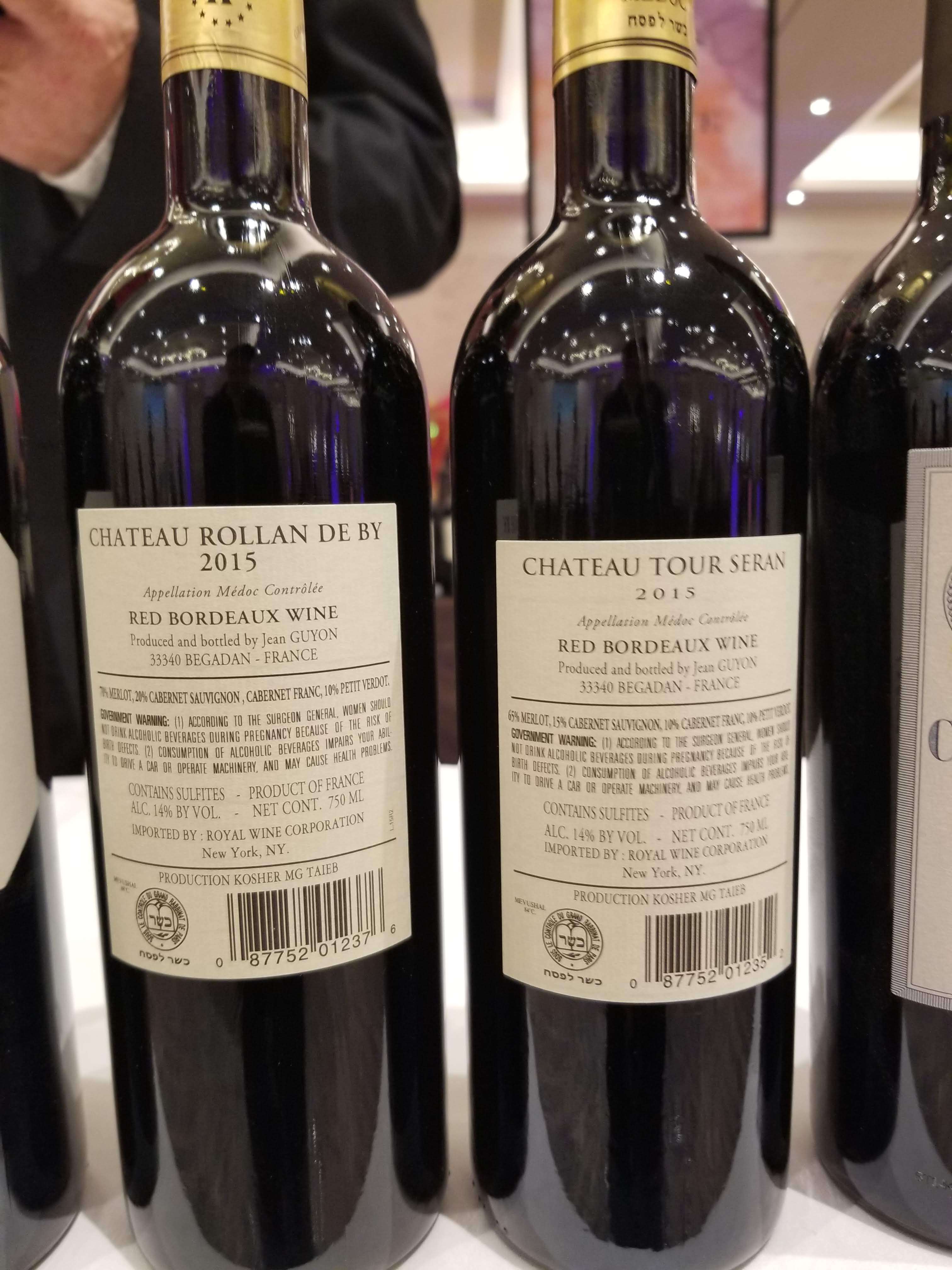
Domaine Netofa continues to crush it and thank goodness it is selling well here in the USA, so that means I can stop schlepping Netofa from Israel! The 2015 Chateau Tour Seran was also lovely while the Chateau Rollan de By was OK, while the 2015 Chateau Haut Condissas showed far better than it did in France. The 2018 Pacifica Riesling, Evan’s Collection was nice but it was less of a WOW than the 2017 vintage, at least so far anyway.
At the tasting, the 2017 whites and 2018 roses were all dead, please stop buying them. Heck, even many of the simpler 2018 whites were painful.
So, here are my last notes before the year-end roundup and best of posts that I will hopefully post soon! These wines are a mix of wines I tasted at the KFWE Miami and other wines I tasted over the past month or so since my return from France. I wanted to keep this simple, so the wine notes follow below – the explanation of my “scores” can be found here:

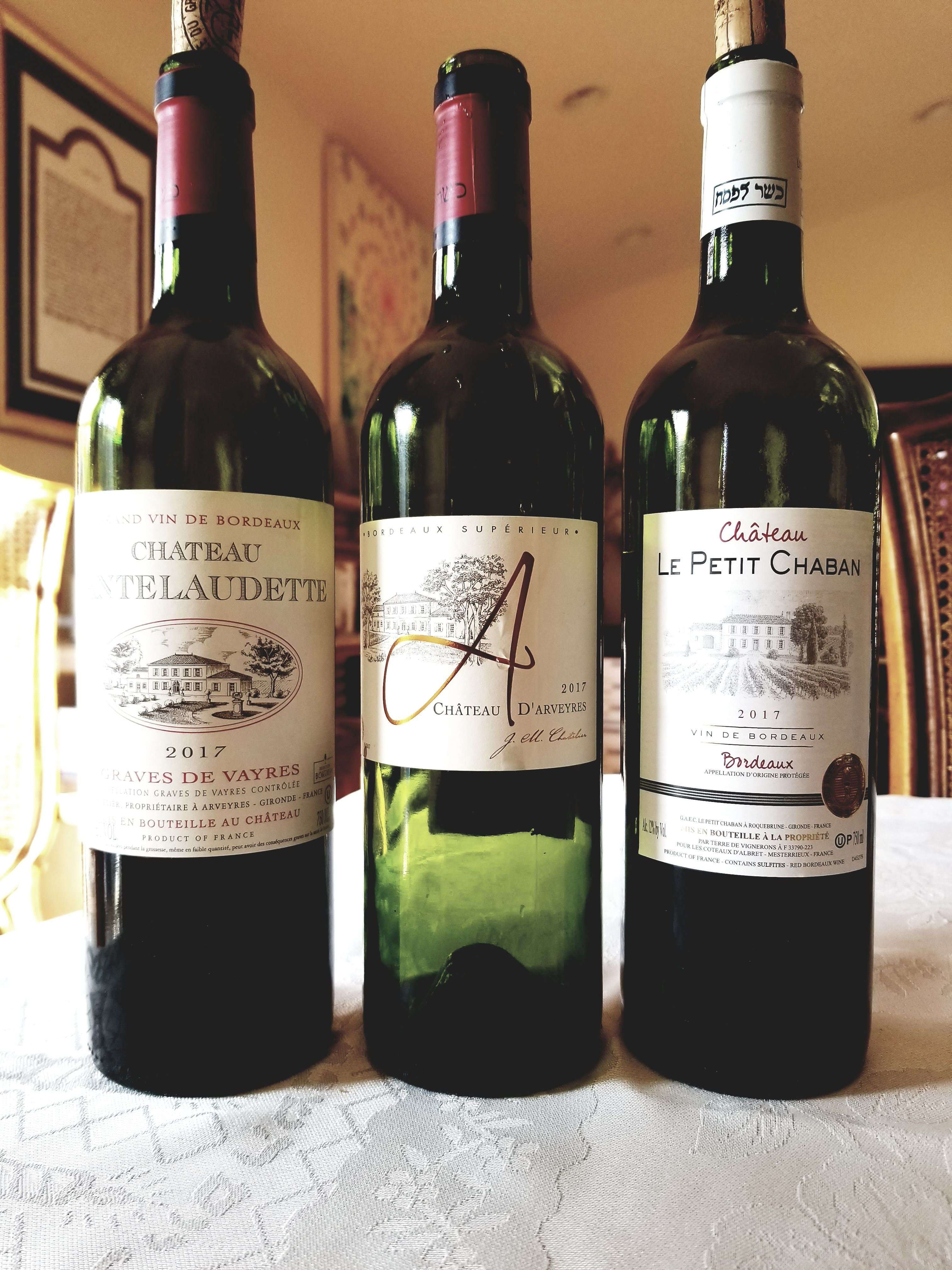
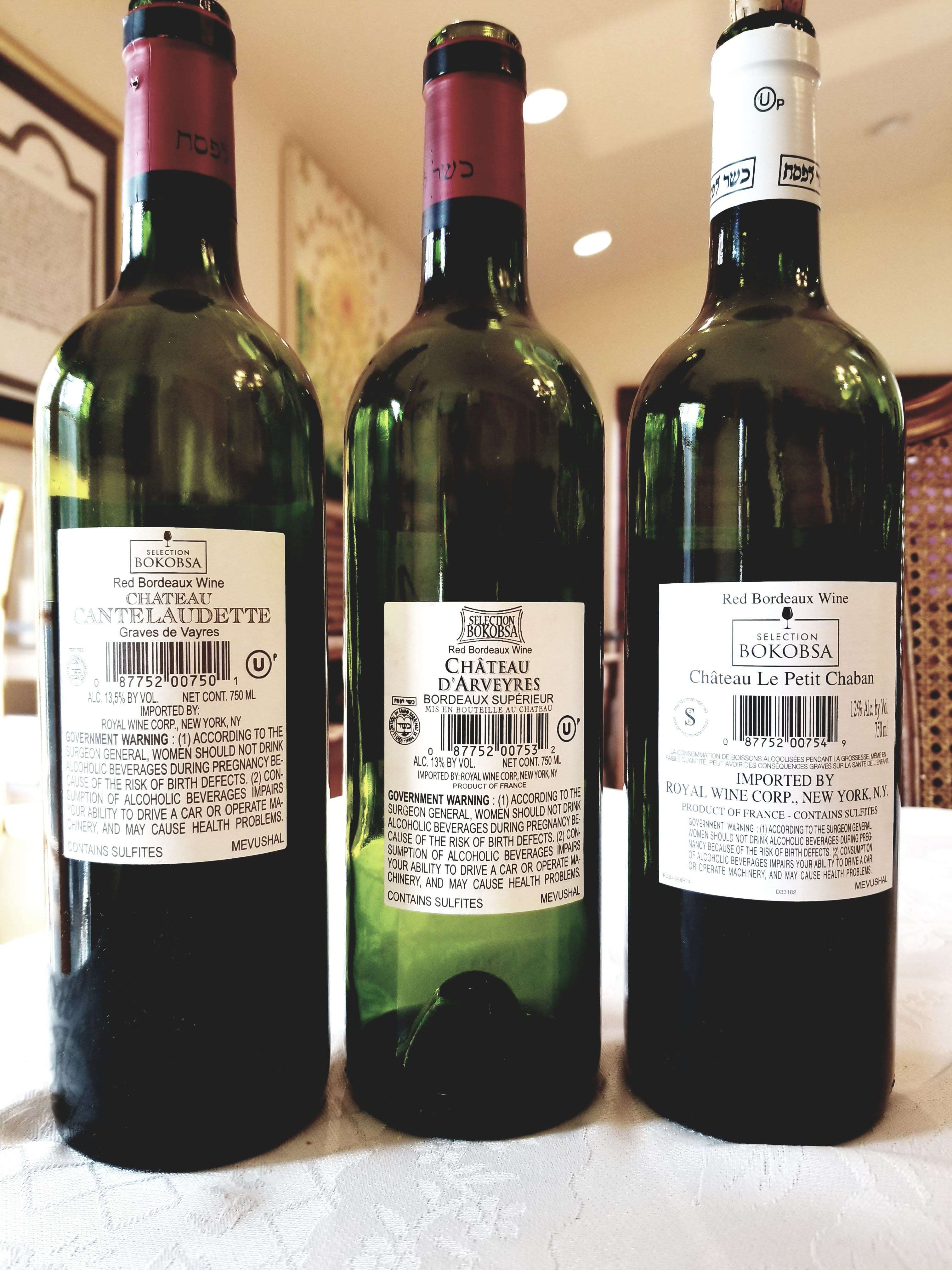
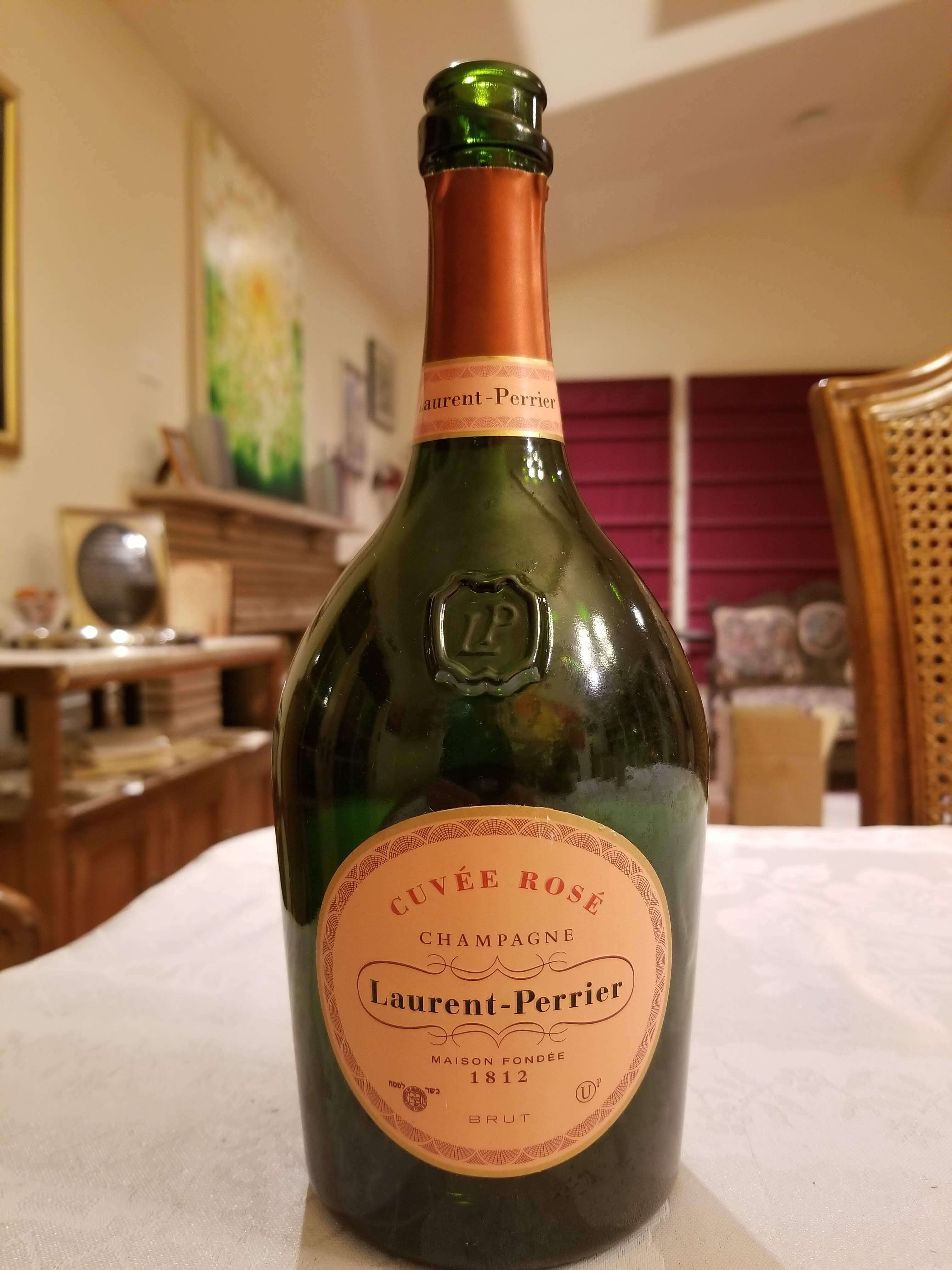
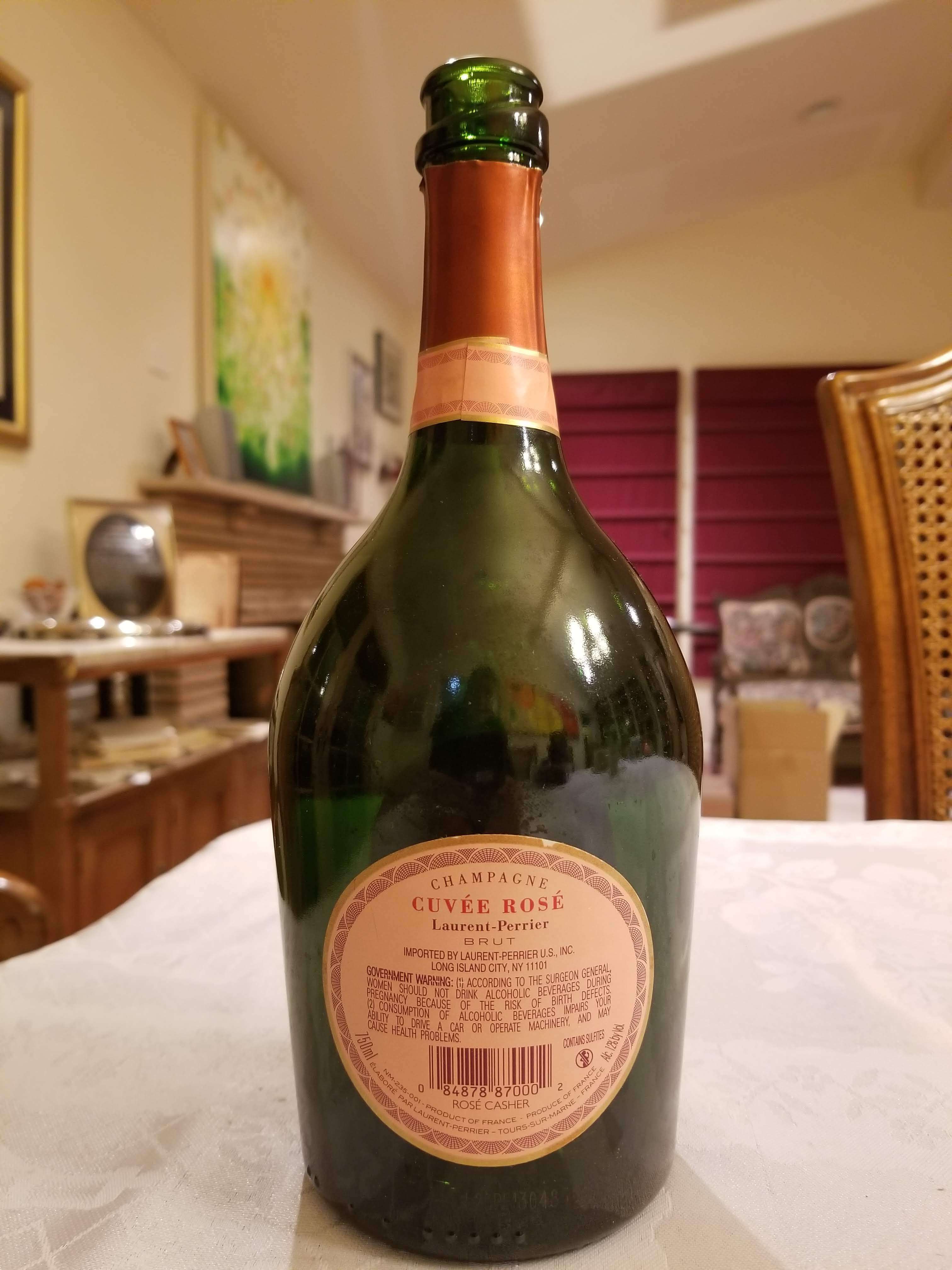

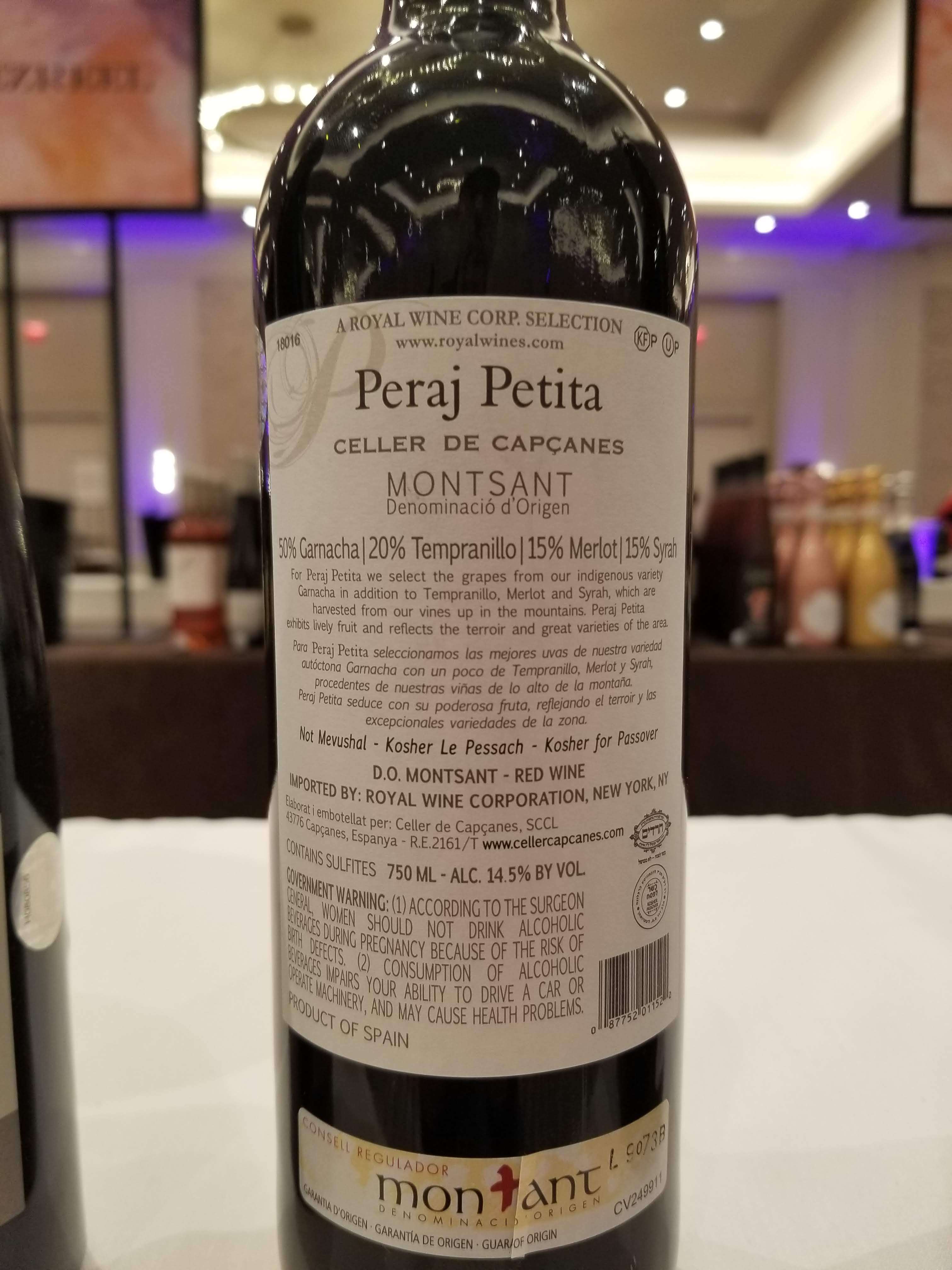
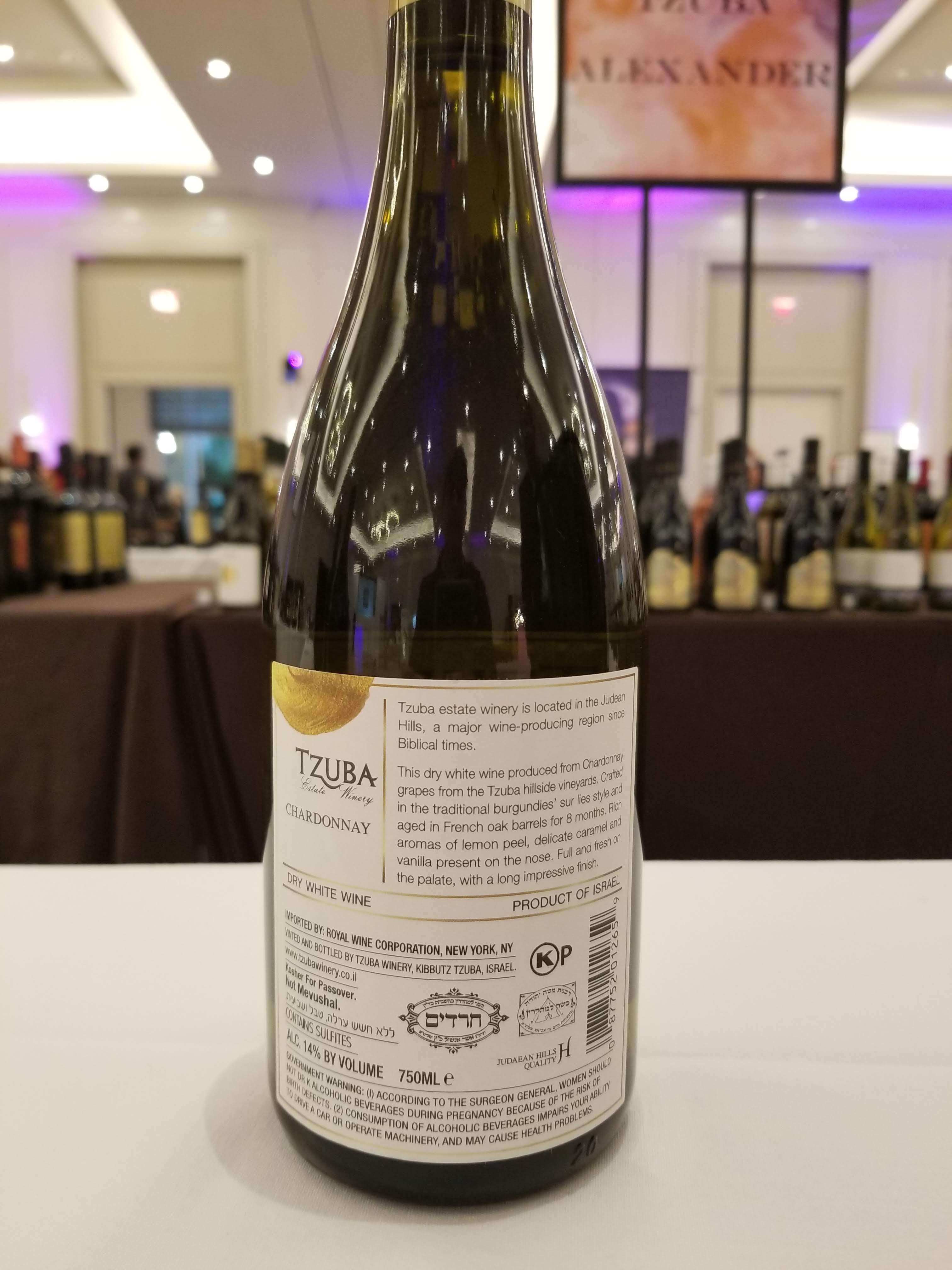
2018 Capcanes Peraj Petita – Score: 87 This wine is a blend of 50% Grenache, 20% Tempranillo, 15% Merlot, and 15% Syrah. This wine is ripe really ripe, with dark blackberry, with loads of dark brooding fruit, floral notes, and herb, and heather. The mouth on this medium-bodied wine is sweet, ripe, and date-like, with dark cherry, sweet candied raspberry, smoke, candied black fruit, and sweet notes galore. The toast, earth, sweet fruit, and smoke finish long. Move on.
2018 Capcanes Peraj Petita – Score: 89 (Mevushal) This wine is a blend of 50% Grenache, 20% Tempranillo, 15% Merlot, and 15% Syrah. This wine is far better than the not-Mevushal version. This wine is actually showing less ripe, with dark blackberry, with loads of red fruit, floral notes, and herb, and oak. The mouth on this medium-bodied wine is much less sweet, with dark cherry, sweet raspberry, smoke, candied black fruit, with nice tannin, and good acidity. The finish is long, slightly green, smoky, and herbal, with toast and red fruit. Very interesting how the mevushal is less ripe, go figure. Drink now.
2018 Domaine Netofa Latour, White – Score: 92+ (Super QPR) Wow, what a lovely wine, this wine is 100% Chenin Blanc aged 10 months in oak barrels. The nose on this wine is pure heaven, but it is slow to open, once it does, the wine is lovely with loads of floral notes, yellow flowers, orange blossom, rosehip, and lovely white fruit, pear, peach, and smoke/toast. The mouth on this medium-bodied wine is lovely, with great acidity, clear and present, with layers of sweet and dry fruit, with candied and toasted almonds, hazelnuts, with hay and straw, followed by floral notes, tart melon, lemongrass, citrus galore, yellow apple, quince, baked apple, and dry grass and earth, lovely! The finish is long, dry, tart, and butterscotch-laden, with toast, smoke, ginger, and marzipan, Bravo!! Drink from 2021 until 2025.
2018 Pacifica Riesling, Evan’s Collection – Score: 90 (QPR) This is a drier wine than the 2017 vintage but it lacks the petrol level and funk of 2017, still a nice wine.The nose on this wine is almost dry, with lovely notes of floral notes and loads of melon, sweet fruits, and stone fruit. The mouth on this medium-bodied wine is nice with lovely pith, hints of saline, with hints of petrol, dry flowers, with lovely peach, guava, and loads of citrus and mineral. The finish is long, dry, with hints of sweet notes, funk, and pith that is fun. Nice. Drink by 2022.
Share This:
Like This:
Israeli Wine, Kosher French Wine, Kosher Red Wine, Kosher Sparkling Wine, Kosher White Wine, Kosher Wine, Wine, Wine TastingBlanc du Castel, Capcanes, Carmel Winery, Champagne, Chardonnay, Chateau Cantelaudette, Chateau D’Arveyres, Chateau Haut Condissas, Chateau Leydet-Valentin, Chateau Remo, Chateau Tour Seran, Cuvee Rose, Domaine du Castel, Domaine Netofa, Evan’s Collection, Famiglia Cotarella, Grand Cru, grand vin, Graves de Vayres, Hosen Blend, latour netofa, Laurent Perrier, Lazio, Limited Edition, Marom, Mediterranean Blend, Medoc, Merlot, mevushal, Montepulciano d’Abruzzo, Montiano, Namura, Or Haganuz Winery, Pacifica, Peraj Petita, Petit Castel, Red, Riesling, Rollan de By, Saint-Emilion, Selected, Single Vineyard, Tzuba Winery, UVA, White -
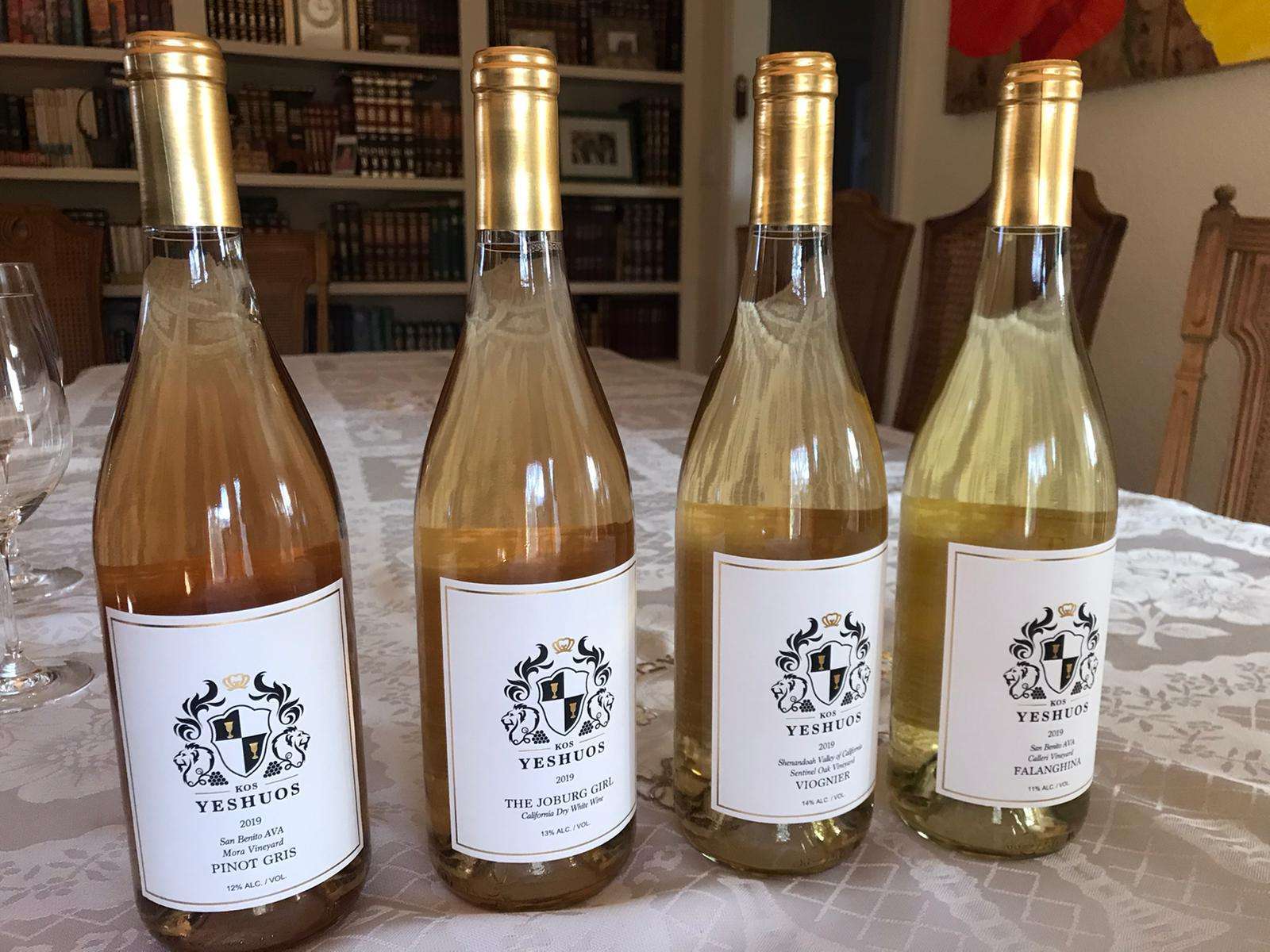
Kos Yeshuos Winery’s new U.S. releases for 2020
Share This:
Like This:
-

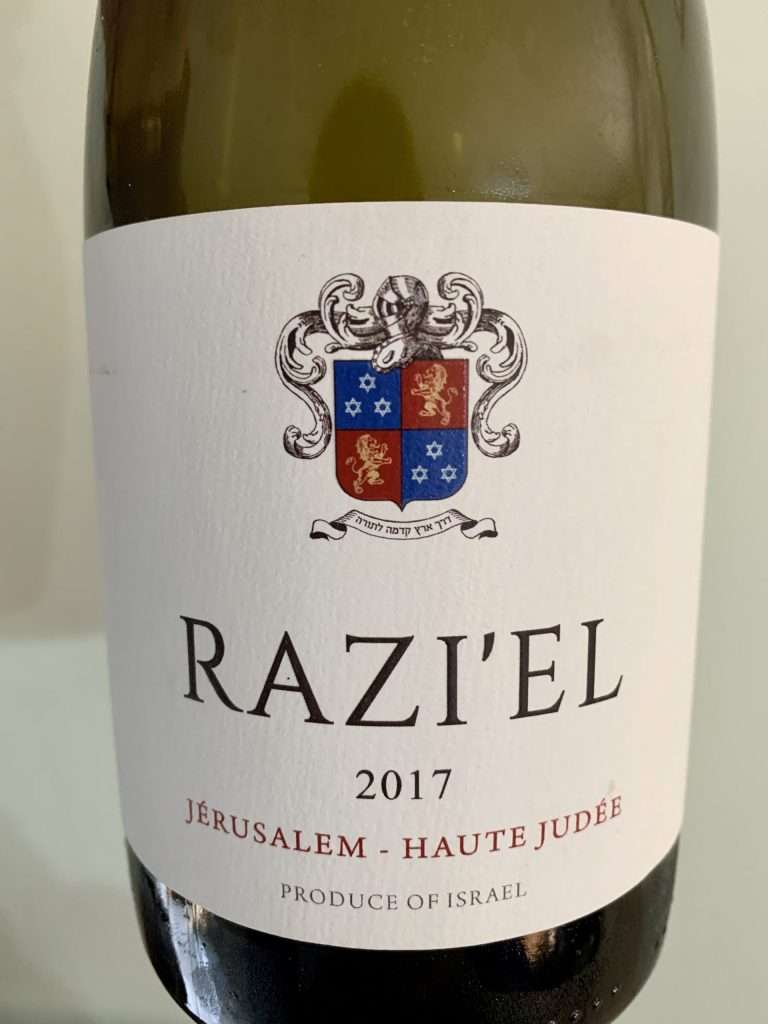
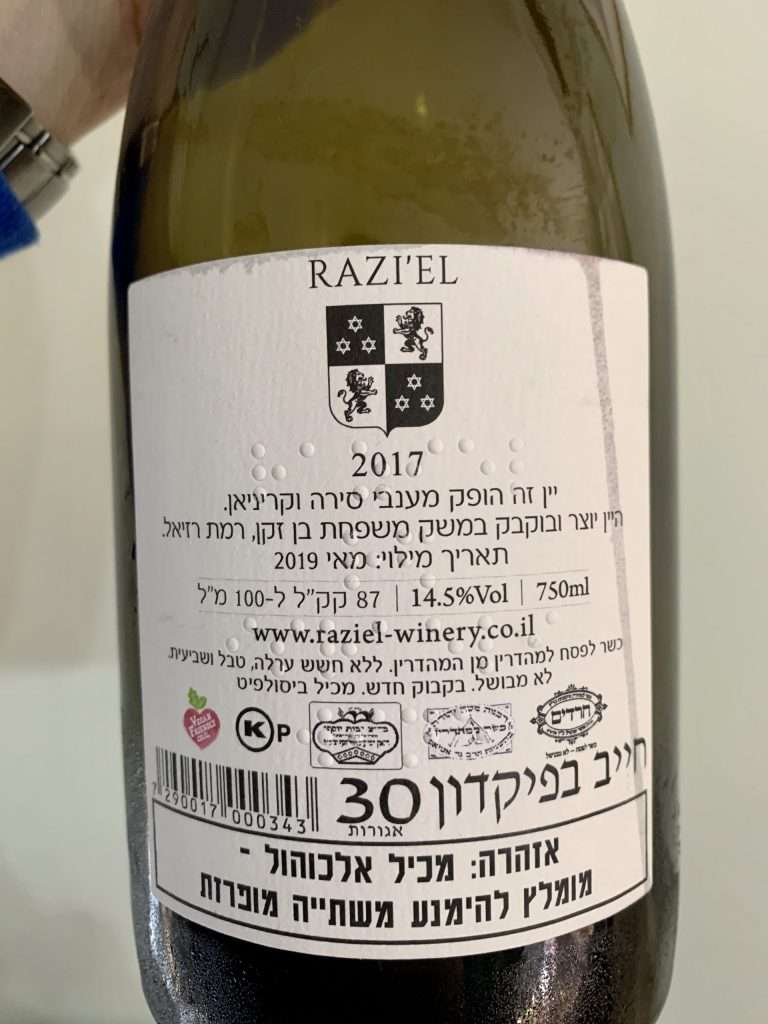
2017 Razi’el

Sooner or later, everything old is new again.
Stephen King
In 2015 after 23 years operating in their original location in Ramat Raziel, Castel opened its new larger facility in Yad HaShmona. Besides providing greater capacity, the new winery provided state of the art technology to aid in creating some truly excellent wines. It also created an opportunity. At Ramat Raziel, Castel had a perfectly good functioning winery. Rather than decommission the older facility, the winery in Ramat Raziel was repurposed as an experimental winery for the Ben-Zaken family to try new things. This eponymous wine is the first commercial product out of the Razi’el Winery.
Share This:
Like This:
-
Four Gates Winery’s January 2020 new releases
Share This:
Like This:
-
RCC Israel # 34 – Tevet 5780
This month we scheduled RCC to be New Year’s Eve and took the opportunity to ring in 2020 with an appropriate 20 wines. Chef on duty was Avi Katz, who did a nice job overall with the food. A couple of highlights there were the potato soup with crispy lamb bacon, which was excellent – and the cornbread with candied jalapenos, cauliflower puree and maple bourbon sauce. While the cornbread itself was a little dry, as a composed dish it worked well, and the candied Jalapenos were just out of this world. In fact, I added some to the ice cream which was served as part of desert (Pecan Pie, Vanilla Ice Cream, Caramel – also excellent) for an added dimension, and that went over really well too. There was a course that did not work – and it was unfortunately the main course – but so it goes. Wine wise overall we did really well. There were four bonus bottles – including a 1997 Napa Cab, which was still showing well – which added to the 16 bottles on the menu brought us to the magic number.
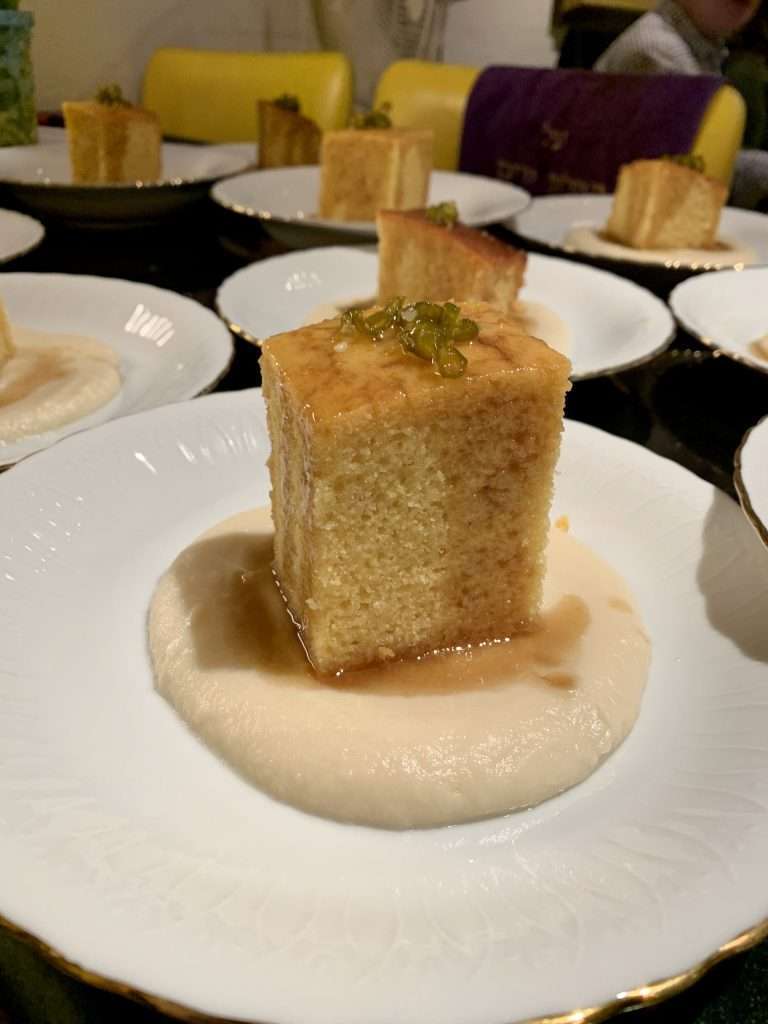
Corn Bread, Cauliflower Puree, Candied Jalapenos, Maple Bourbon Sauce 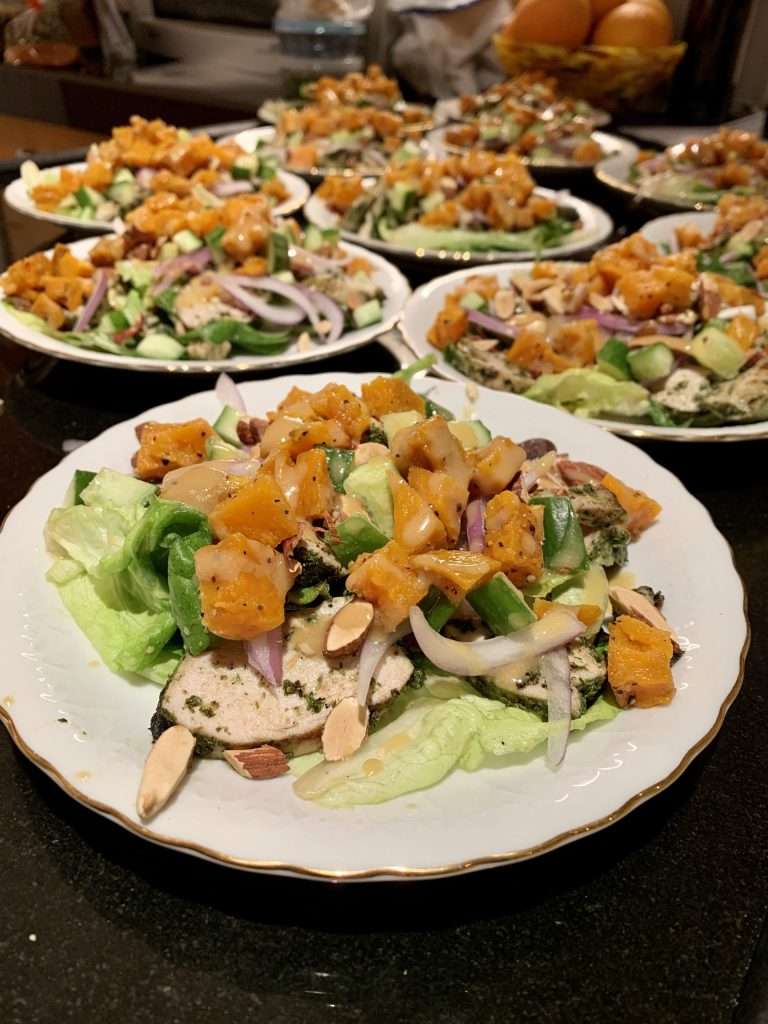
Chimichurri Chicken Salad, Roasted Sweet Potato, Toasted Almonds, Maple Dijon Vinaigrette 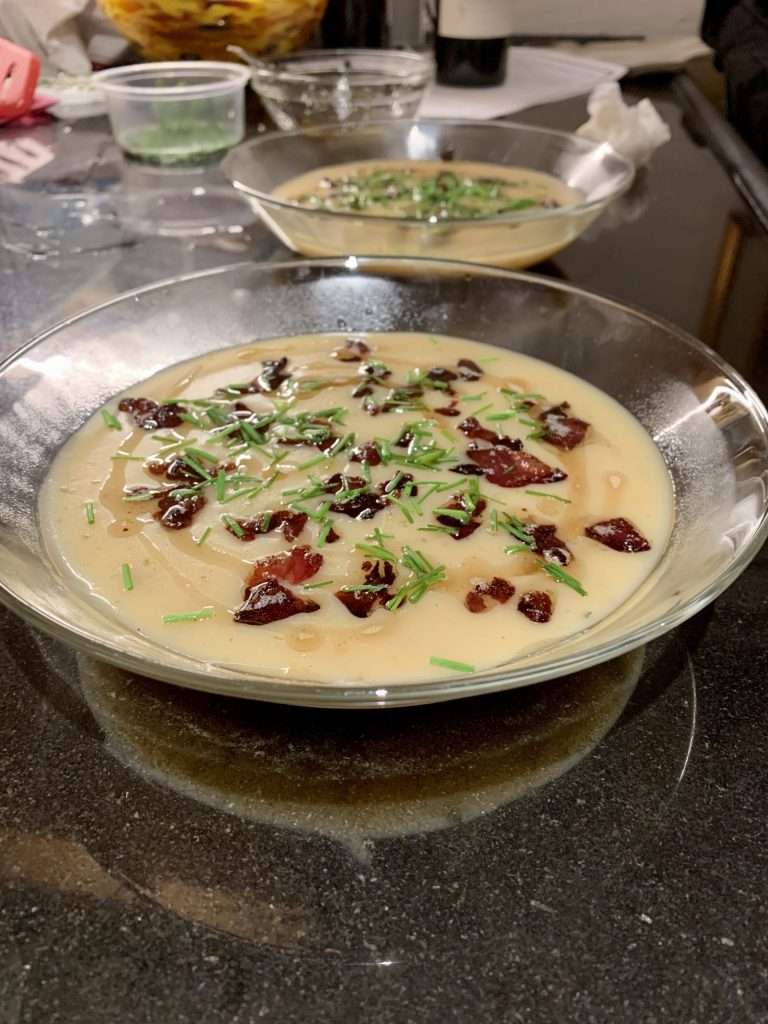
Creamy Potato Soup, Crispy Lamb Bacon, Chives 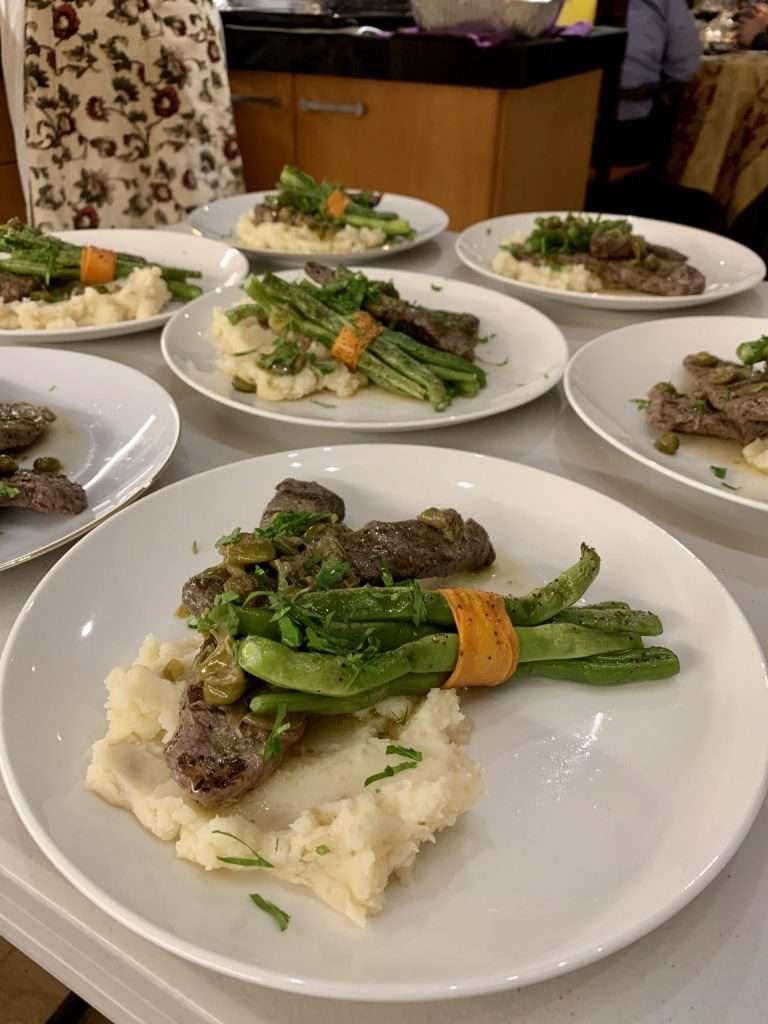
Veal Piccata, Roasted Garlic Mashed Potatoes, Green Beans 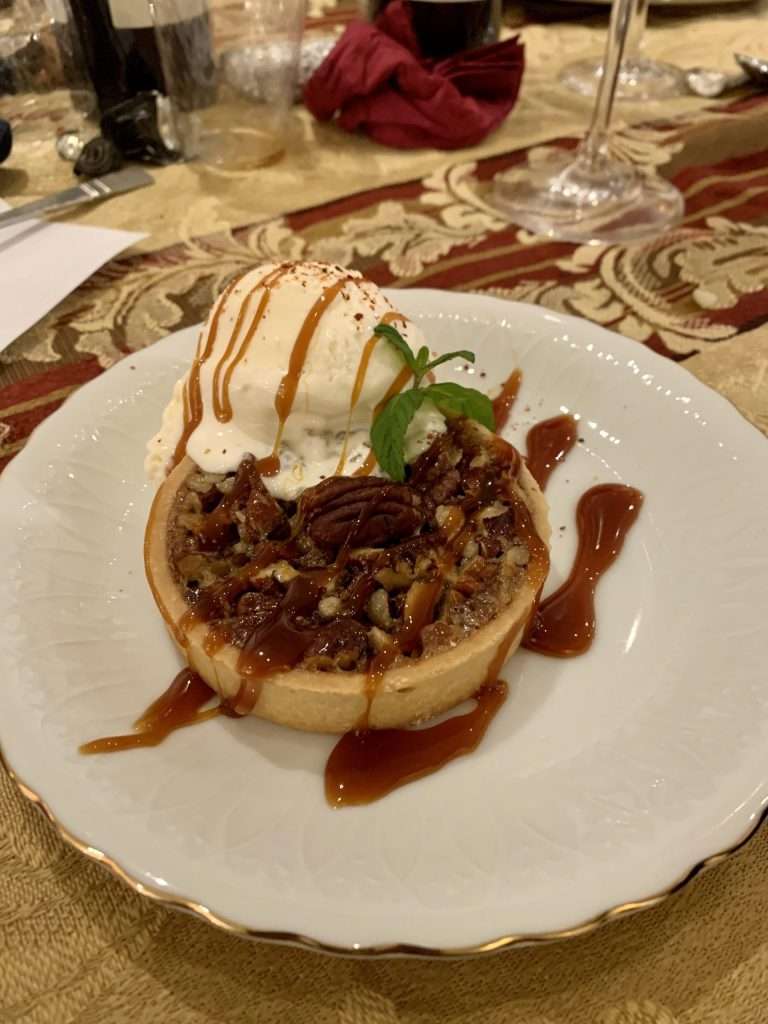
Pecan Pie, Vanilla ice cream, Caramel, Smoked Sea Salt 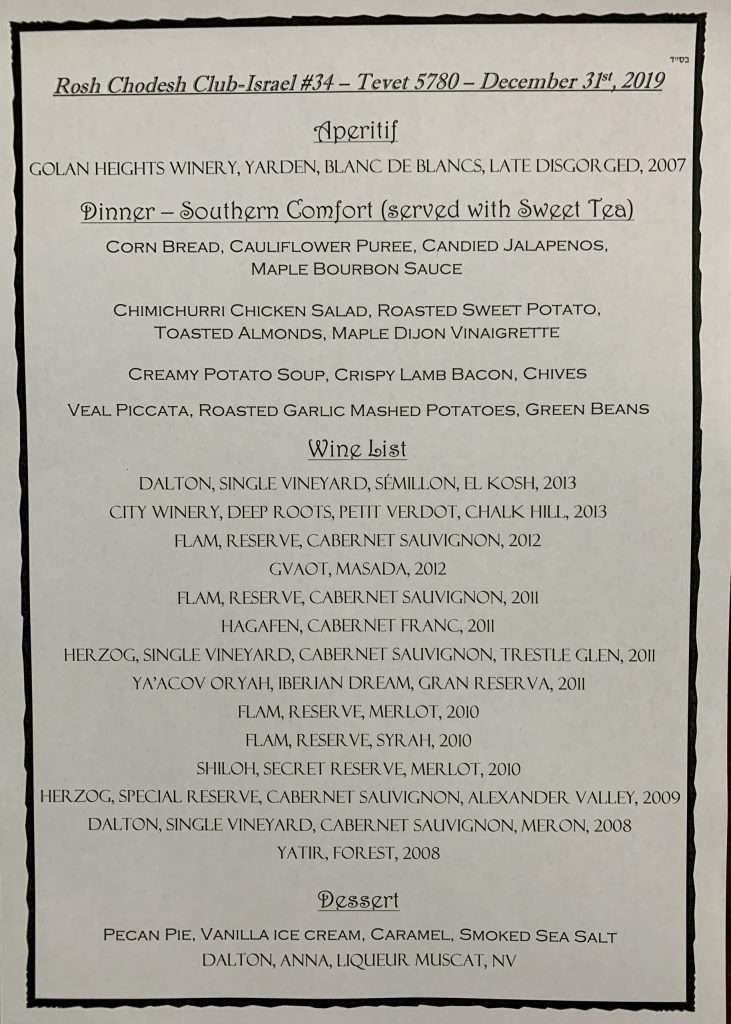
Menu & Wine List 
The Lineup But what really made this night special were the people – a really nice mix with a record high of five ladies in attendance! In addition, we were hosted by Barrie and Simon Jacob in their home in Yemin Moshe, which is one of my favorite places for RCC. Barrie played sous chef all night – really, I can’t thank her enough. Simon was the source of three out of the four extra bottles including the aforementioned ’97, plus the opening wine – besides his own regular bottle. Besides being probably the nicest people on the planet, the man hosts, his wife helps cook – and he pulls these bottles. Just the best. I have no other words to describe them. An added bonus for me was that my friends Michal and Yeruchum, who are here visiting their son in yeshiva for the year, were able to join (and bring a couple of locally hard to find bottles). How often do you get to sit at a wine dinner like this with friends you have known for over 30 years? This night was true treat. But we are here for the wine so let’s get to it:
Share This:
Like This:
Alexander Valley, Ayala, Blanc de Blancs, Cabernet Franc, Cabernet Sauvignon, Chardonnay, City Winery, Dalton, Deep Roots, El Kosh, Flam, Forest, Four Gates, Golan Heights Winery, Gran Reserva, Gvaot, Hagafen, Herzog, Iberian Dream, Masada, Merlot, Meron, Napa Valley, Petit Verdot, Rose, Secret Reserve, Semillon, Shiloh, Single Vineyard, Syrah, Trestle Glen, Yaacov Oryah, Yatir -

Israel’s Supermarket Revolution? Notes on 3 wines from Egoz-Muscat
Over the last few months, a number of friends have been talking to me about something that they describe as hopefully the beginning of a revolution here in Israel. Quality wine available at the supermarket – much like it is in every country in the world. The two wines that have been causing this commotion are brought in by a company called Egoz Muscat – which is subsidiary of the Shaked company, a major importer of wine and spirits here in Israel. Egoz-Muscat is their kosher arm and deals only with the import of kosher wine from around the world.
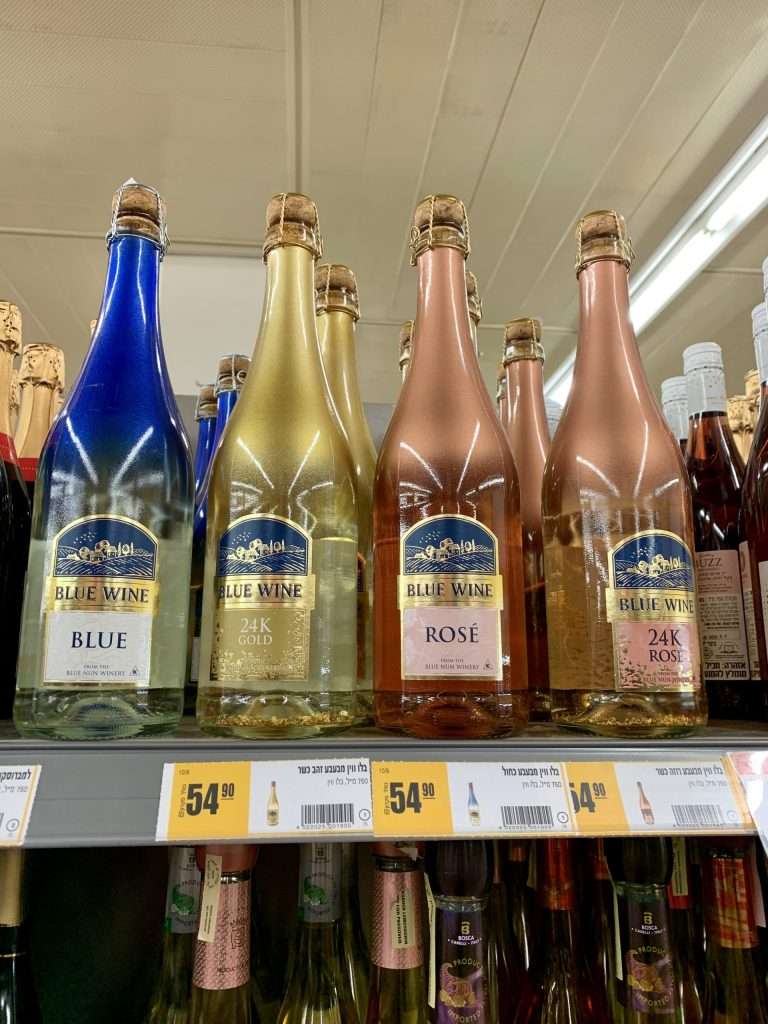
When hearing about these wines, I tended to dismiss them. First, I recognized Egoz-Muscat primarily as the importer behind Blue Nun wines, which hit the market here about two years ago. This is a mass market German brand, not really a serious wine at all. In the UK, the non-kosher sells for about five pounds a bottle – which is roughly 22 shekels. Here, for whatever reason, these wines sell for more than double that – and – because the Israeli market really knows no better – the wine sells even at this ridiculously inflated price. In fact they started out with a single bottle in the line and have expanded it to include all of their sparkling wines as well (all crap – marketed specifically to appeal to the under 25 party set – one of the bottles even has gold flakes in it – just ridiculous). From a price perspective, there is absolutely no possible excuse for the cost here. It is mass produced. It is no more expensive to put a hechsher on Blue Nun than it was to put on Welch’s grape juice in the US – and probably less. It’s just thievery. And the wine sucks – really, truly sucks. To the point that I hesitate to call it wine. Whatever you think about the Bartenura Moscato – this is worse.
Share This:
Like This:
-
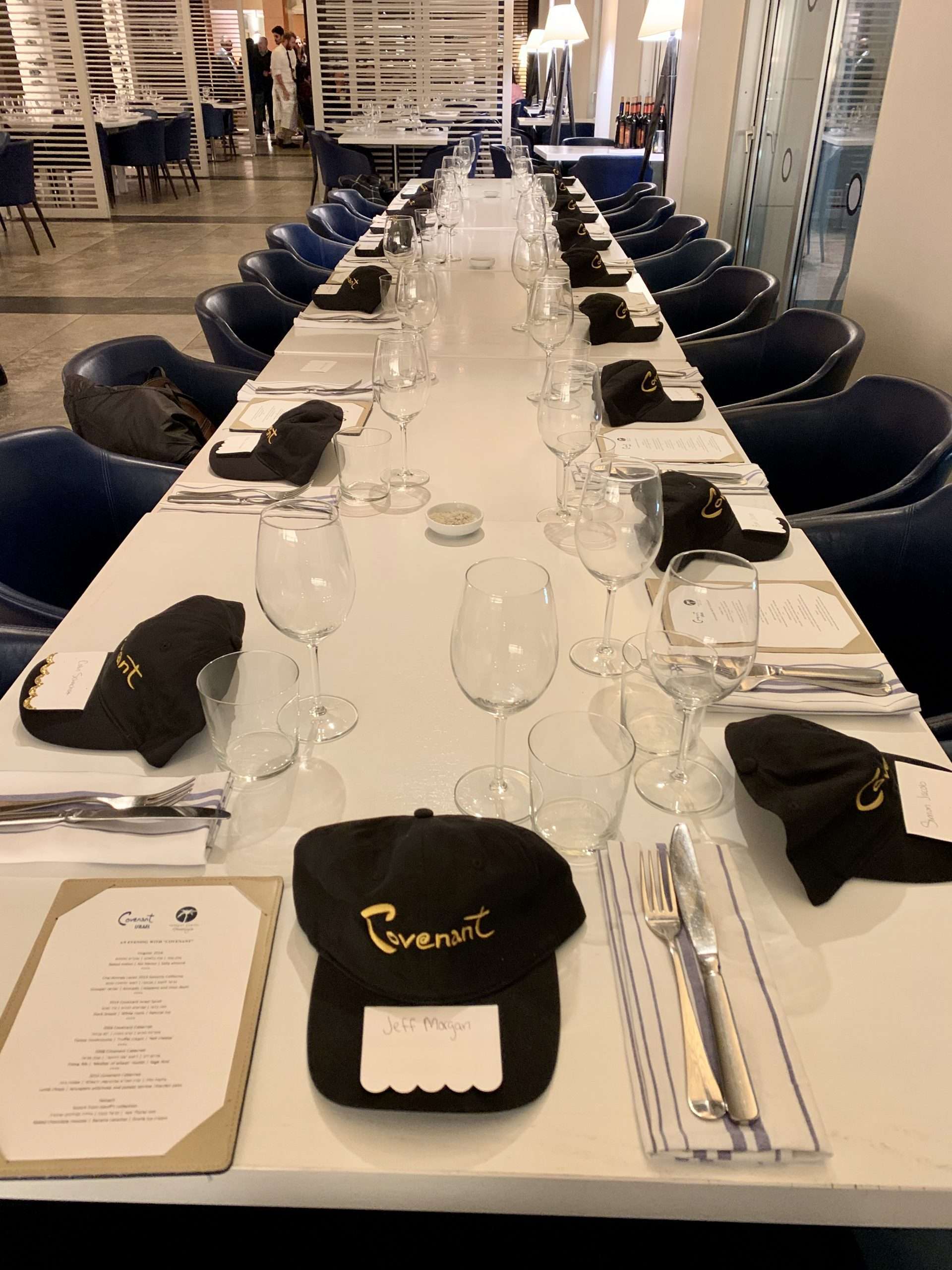
Covenant Israel Wine Club Dinner at Herbert Samuel Restaurant
At RCC’s I often lament the fact that we have excellent food and excellent wines, but it is logistically impossible to actually pair the two properly in advance. Sometimes it works out by chance, often times, the two pieces of the puzzle are enjoyed separately. Every once in a while, when planning a dinner at home, I can get some sort of synergy. In the non-kosher world, restaurants justify the cost of their wine-programs by having wines that are available to the diner for any dish the chef might prepare and having a sommelier on staff to help guide the diners – with the sommeliers knowing well the flavors of both the food and wines involved (at least in theory). In the kosher wine world, none of that exists. Even in the upscale restaurants of which there are more and more, at best they might have a wine list that is not embarrassing – but no thought will have been given in how it complements the menu. That’s a shame, and it’s something I hope will change in the future.
But, last month I got an email about a Covenant Israel Wine Club event that took place this past Tuesday night. Covenant founders Jodi & Jeff Morgan joined their daughter Zoe and their new partner Geoff Rochwarger here in Israel to host a wonderful dinner at the Herbert Samuel Restaurant, located at the Ritz Carlton Hotel in Herzliya. Now this was interesting. Here you have a restaurant that I consider to be in the top two in the country, providing a kosher fine dining experience, and you have a winery that understands food and the importance of pairing food and wine – the Morgans have written a number of cookbooks, the most interesting to readers here will be The Covenant Kitchen.

Chef Mor Cohen & Jeff Morgan I was not disappointed – and my bar is pretty high. First – Chef Mor Cohen tailored a menu and constructed almost all dishes specifically for this dinner (only one of the plates we had was off of the restaurants standard menu). Thought was given on how each dish as a whole would complement the flavors of the wine and vice versa. The gold standard – and it worked beautifully. But even more impressive – while the proteins were all cooked nicely, the vegetables WERE SICK. I so rarely rave about vegetables. Once in a while I guess a specific preparation or component is worth noting. But Chef Cohen is a genius. He elevated vegetables to the point that they stole the show from top shelf proteins such as duck breast, prime rib, and lamb chops. Absolutely crazy.
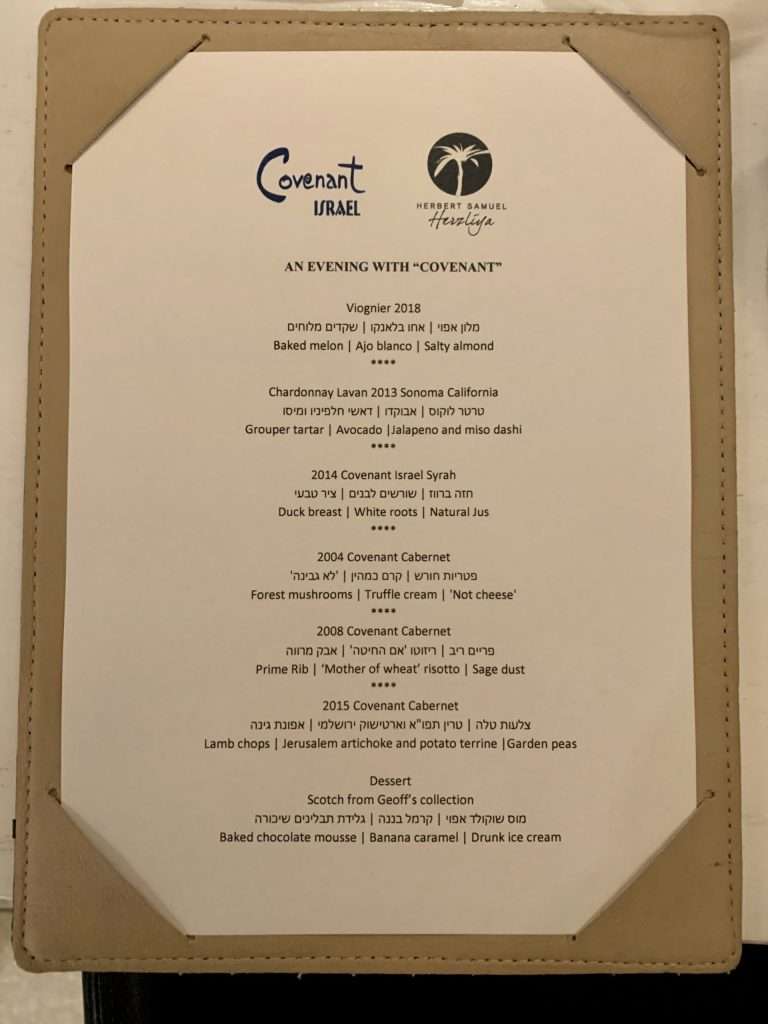
As far as the wines go, Covenant put out some absolutely great wines – both current and out of their library. Here is a recap of the courses and the wines paired with them.
Share This:
Like This:
-
France Trip 2019 – Part 4 – A Visit in Roanne with the QPR Kings of France – Taieb
If you read my last post, you can guess that we wanted to waste no time getting out of that nutty hotel in Lyon. So we woke up at 5:30 and made our way to the train station by foot. The trip from Lyon to Roanne is just over 2 hours. With no coffee, I was suffering. When we got to Roanne, Yoni Taieb was waiting for us at the train station and drove us over to the Taieb offices. First coffee, then pray, then taste.
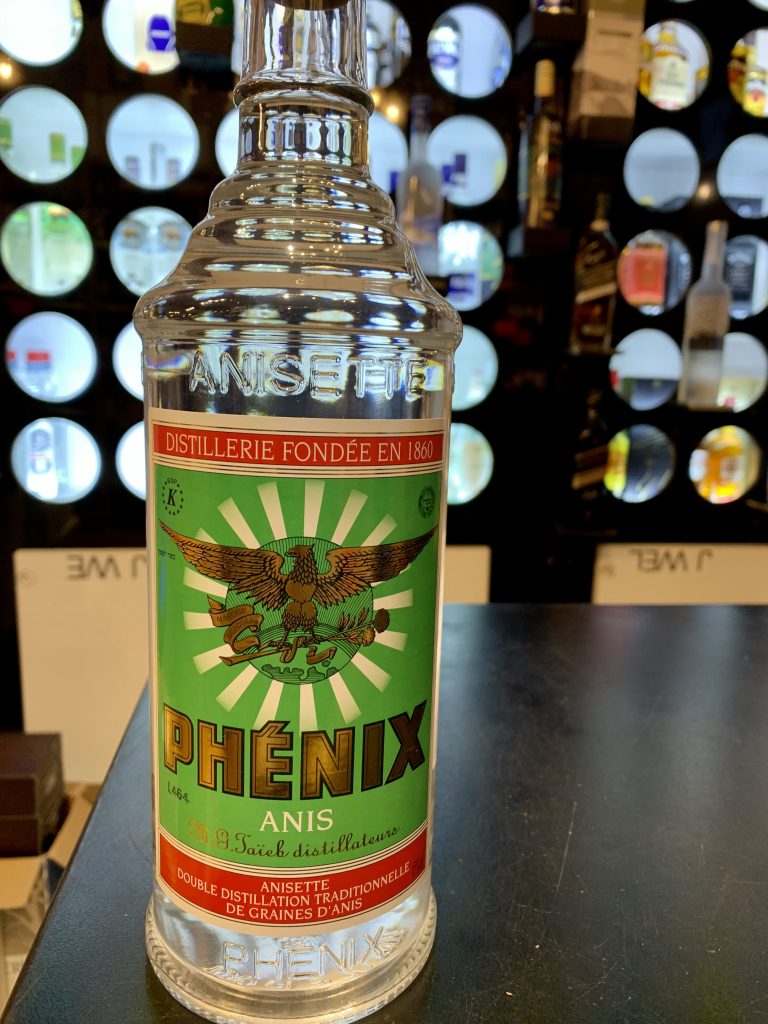
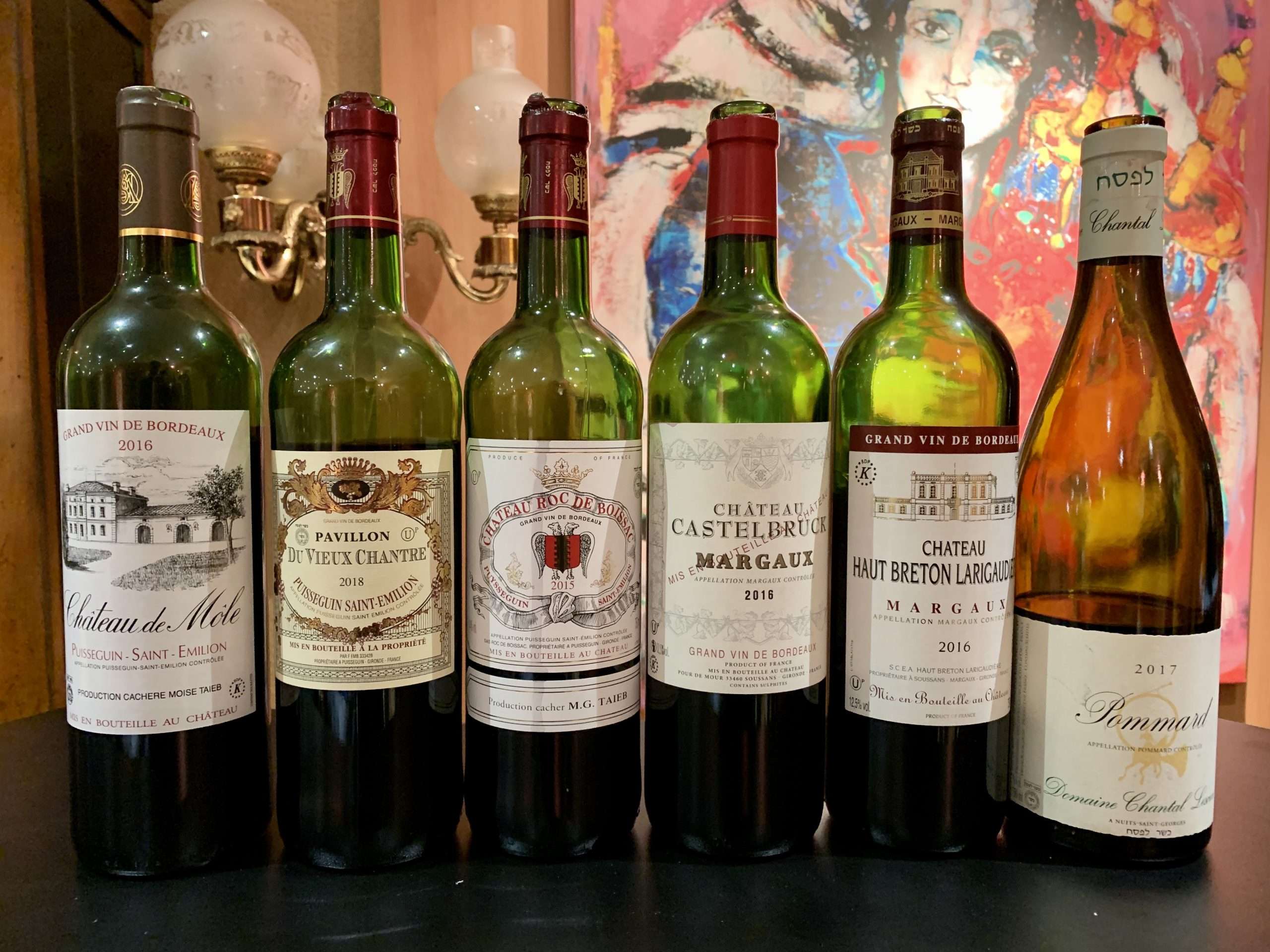
A few words about Taieb wines. The Taiebs hail from Algeria. The company was founded by Moise in the ’60’s. They began producing kosher wines upon their settling in France after the Algerian revolution. In the 1970’s, Moise’s son George (now the elder statesman of the company) joined his father, and they took over the distillery which produces the world renowned Anis Phenix, which is an Anisette, one of the family of Anise based liquors. The primary difference between Anisette and Arak is that Arak is dry while Anisette contains sugar. Truth is I had no idea that it was the same company. I have known about Phenix Anisette for a long time. My wife’s father is from Algeria where Phenix and the Taiebs originated, and we keep a bottle of Anistete (usually Phenix) in the house in case we have to entertain the family (I am not a fan of anisette – and I have tried…) Currently George’s son Yoni runs much of the day to day operations at Taieb, and it was he who spent the morning with us as the elder Mr. Taieb was called away due to a tragic death in the family.
Taieb produces a crazy number of wines. We tasted 27 wines on that day. These were wines that either David had preselected from their catalog or that Yoni felt would be interesting. It is just a small sample of currently available wines from their production. Their wines are found across France in supermarkets, liquor stores, and on the web. They are huge. Unfortunately, outside of France they are virtually unknown! American distribution and the complex web of how that works does not interest me. In Israel the distributor is called Yud Daled Asakim (י.ד. עסקים). They import a limited number of the Taieb wines. Unfortunately I didn’t know all of that going into this, or I would have asked if we could taste through all of the wines available in Israel – or at least the interesting ones. They import a total of 17 including two Champagnes. In the end, we tasted three– two nice (Joseph Mellot Sancerre and Chateau Castelbruck) and one not (Chateau La Naude). I will try to look for others and write up what I can in a separate post. I also want to take a look at pricing. I am hoping things aren’t horribly inflated. The problem is, even though these wines are being brought in now in an organized fashion, the distribution remains narrow. It basically ends up in stores that have French ownership (at least as far as I can tell). That’s a pity as that is a very select few indeed. But I will save that for another post.
This tasting was primarily divided into regions (after the whites) – and that is how my notes are divided.
Share This:
Like This:
Baron David, Beaujolais, Blaye Cotes de Bordeaux, Bordeaux, Bordeaux Superieur, Bourgueil, Brouilly, Burgundy, Catillon Cotes de Bordeaux, Chateau Bois Cardon, Chateau Castelbruck, Chateau De L’anglais, Chateau de Lamarque, Chateau de Mole, Chateau Haut Breton Larigaudiere, Chateau Meilhan, Chateau Roc de Boissac, Château La Motte Despujols, Chinon, Cote de Brouilly, Cru du Beaujolais, Domaine Chantal Lescure, Fleurie, Graves, Haut de Grava, Haut-Medoc, Julienas, La Chene de Margot, La Graveliere, La Petite Metairie, Le Chant des Vignes, Loire Valley, M.G. Taeib, Margaux, Medoc, Morgon, Moulin-A-Vent, Palais de L’Ombriere, Pavillon Du Vieux Chantre, Pavillon Mougneau, Puisseguin-Saint-Emilion, Reserve du Fondateur, Sancerre