-

Two Kosher Champagnes I have tried recently – Feb 2022
Share This:
Like This:
No comments on Two Kosher Champagnes I have tried recently – Feb 2022 -

A few good red wines along with too many misses – Jan/Feb 2022 Tasting
This is my second QPR (Quality to Price Ratio) WINNER Hit and Miss post of 2022 and while this started in January as a poor showing, I had two more wines in February that made the overall post much better. We started with one QPR WINNER and that grew to three WINNER by February. Still, the star of the show was the first QPR WINNER, the 2016 Terra di Seta Chianti Classico, Assai, Gran Selezione, Chianti Classico!
This post is filled with many more examples of what people are raving about from Israel, the 2018 red vintage, and all I can say is, yes they are not date juice! They are not uncontrolled madness, they are OK, they lack acidity and mostly they are copy and paste of each other with different fruit. Still, an improvement over other vintages. Essentially, much like the 2016 vintage, another highly vaunted vintage, which I described to my buddy EA as: “milk chocolate, either blue or black fruit, loads of cedar and tobacco – copy and paste wines”.
I wish it was better, even when God forces a winery to make good wine by keeping the temperatures at bay, they still make mediocre stuff. Such is life! Thankfully, we are blessed with Terra di Seta, aka TDS, which won my first ever winery of the year in 2019 and a winery that I have been touting for many years now! The newly released 2016 Terra di Seta Chianti Classico, Assai, Gran Selezione, is a stunning wine and maybe their best Assai so far!
The next two QPR WINNER are the 2019 Herzog Winery Cellars Cabernet Sauvignon, Alexander Valley, and the 2020 Chateau Signac Pliocene, Cotes du Rhone. I must say, the 2019 Herzog is shockingly ripe but the level of acidity it has really helped to tamp down the fruit and with time they all work together to make a harmonious wine. Still, it is ripe to start so leave this wine alone for many years. The 2020 Chateau Signac Pliocene, on the other hand, is lovely and ready to go. It is NOT as ripe as the 2018 vintage, but it is nice and very enjoyable for the next few years.
Finally, there is a repeat tasting of the 2019 Pavillon du Vieux Chantre, Puisseguin Saint-Emilion. As I stated in the Moises Taieb post, I needed to taste a few wines a second time and I am happy I did. The 2019 Pavillon du Vieux Chantre showed beautifully and just as I expected it to, after having tasted all the previous vintages. Thankfully, this wine is available in the USA in an easy-to-find location, from Andrew Breskin and Liquid Kosher.
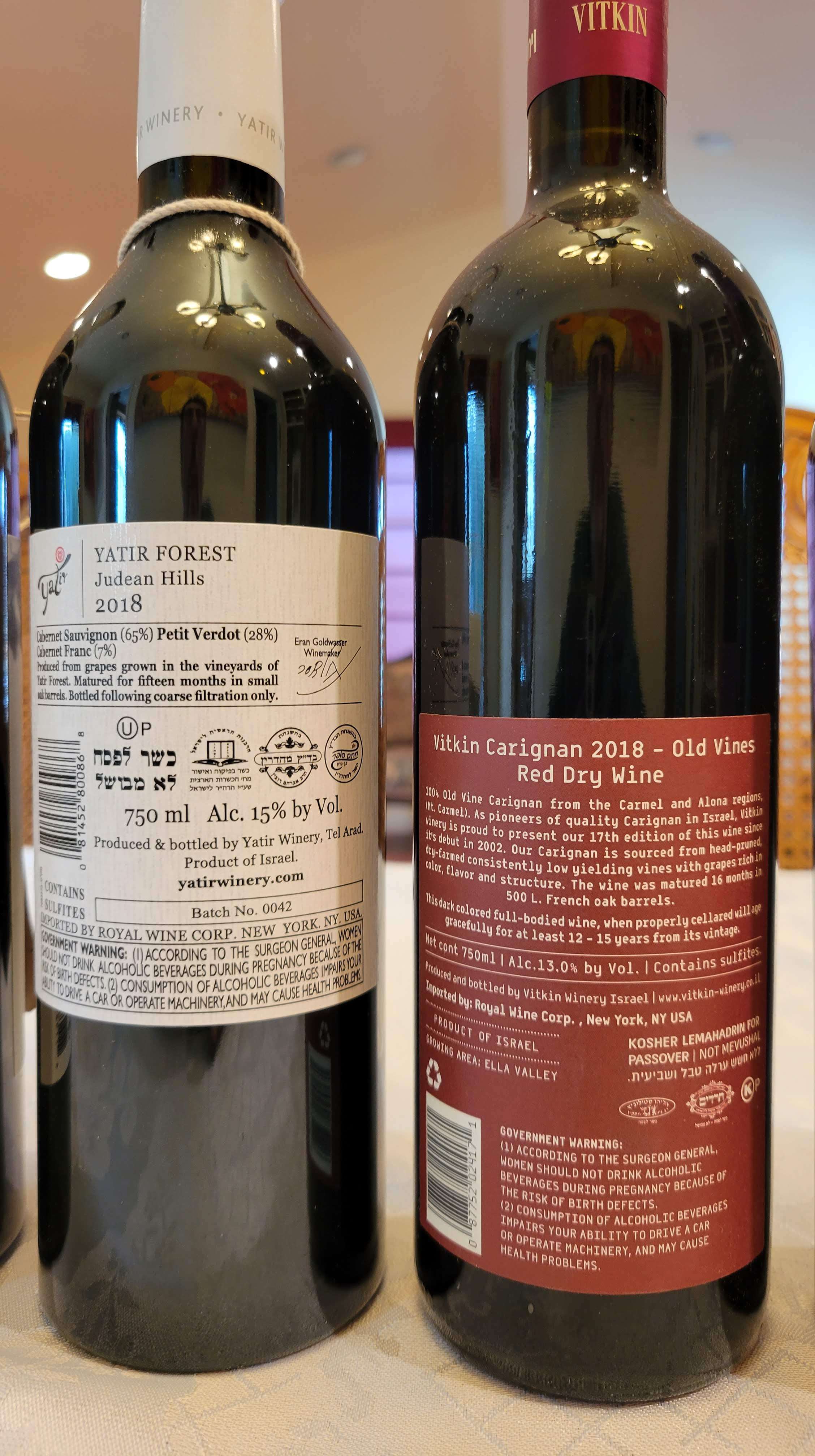
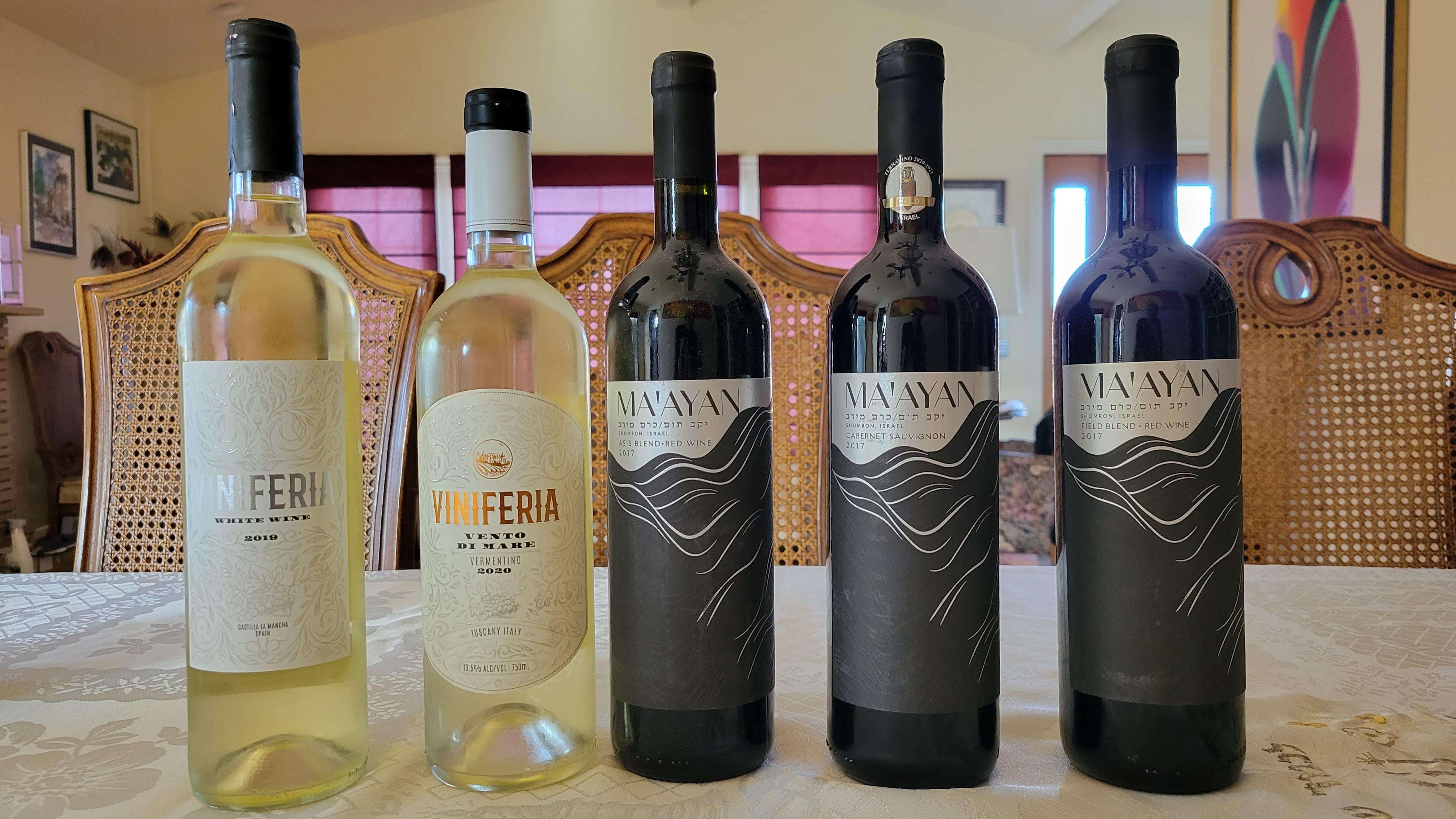
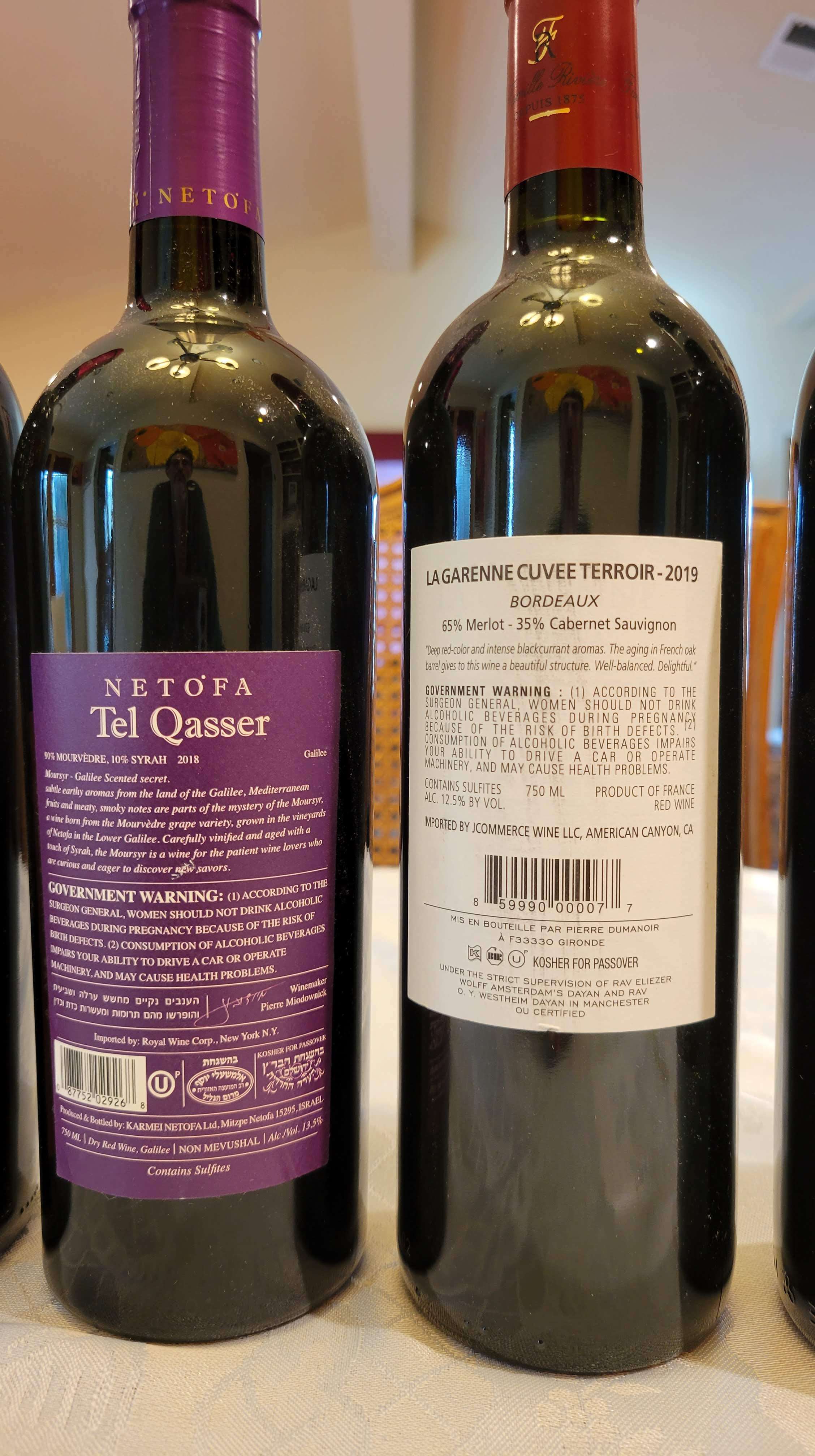
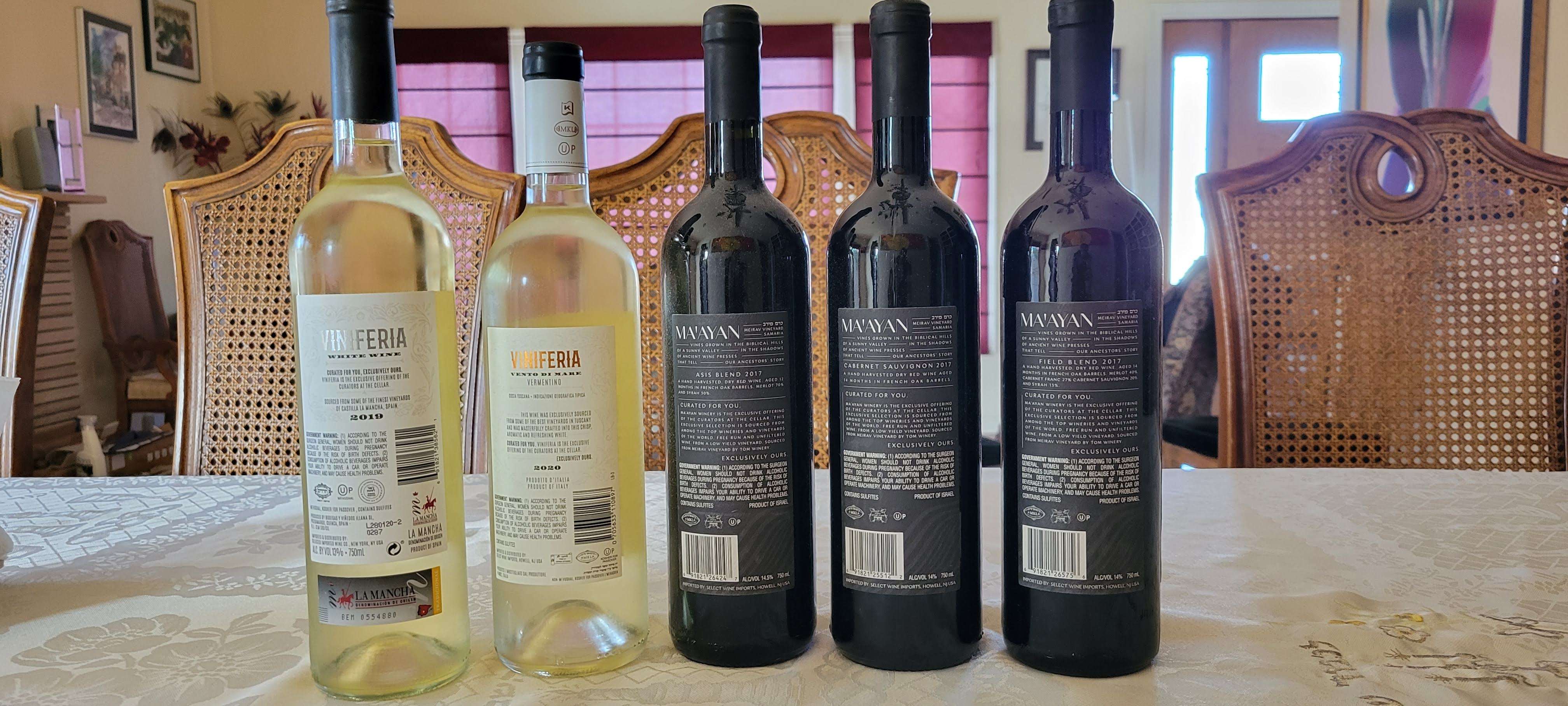
The rest are OK, QPR score-wise, with only one wine garnering a score of GREAT, which is the 2017 Ma’ayan Asis Blend, these are relabeled wines from Tom Winery. The Tzora was nice but overpriced for what it gives.
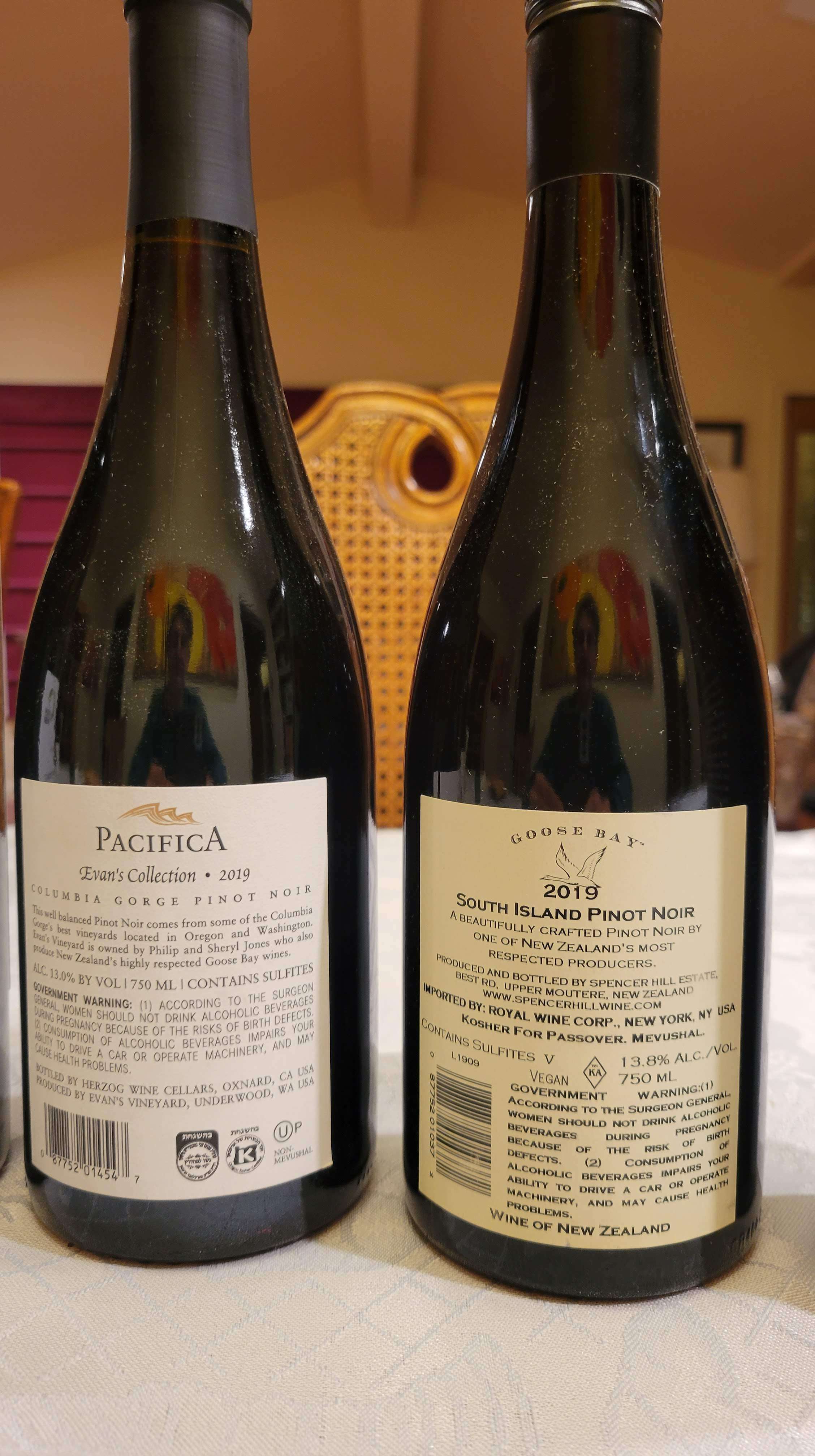
I also tasted three 2019 Pinot Noirs and the clear winner, of those three, was the 2019 Goose Bay Pinot Noir, Small Batch. It is a lovely wine and one to enjoy over the next couple of years.
The wine notes follow below – the explanation of my “scores” can be found here and the explanation for QPR scores can be found here:

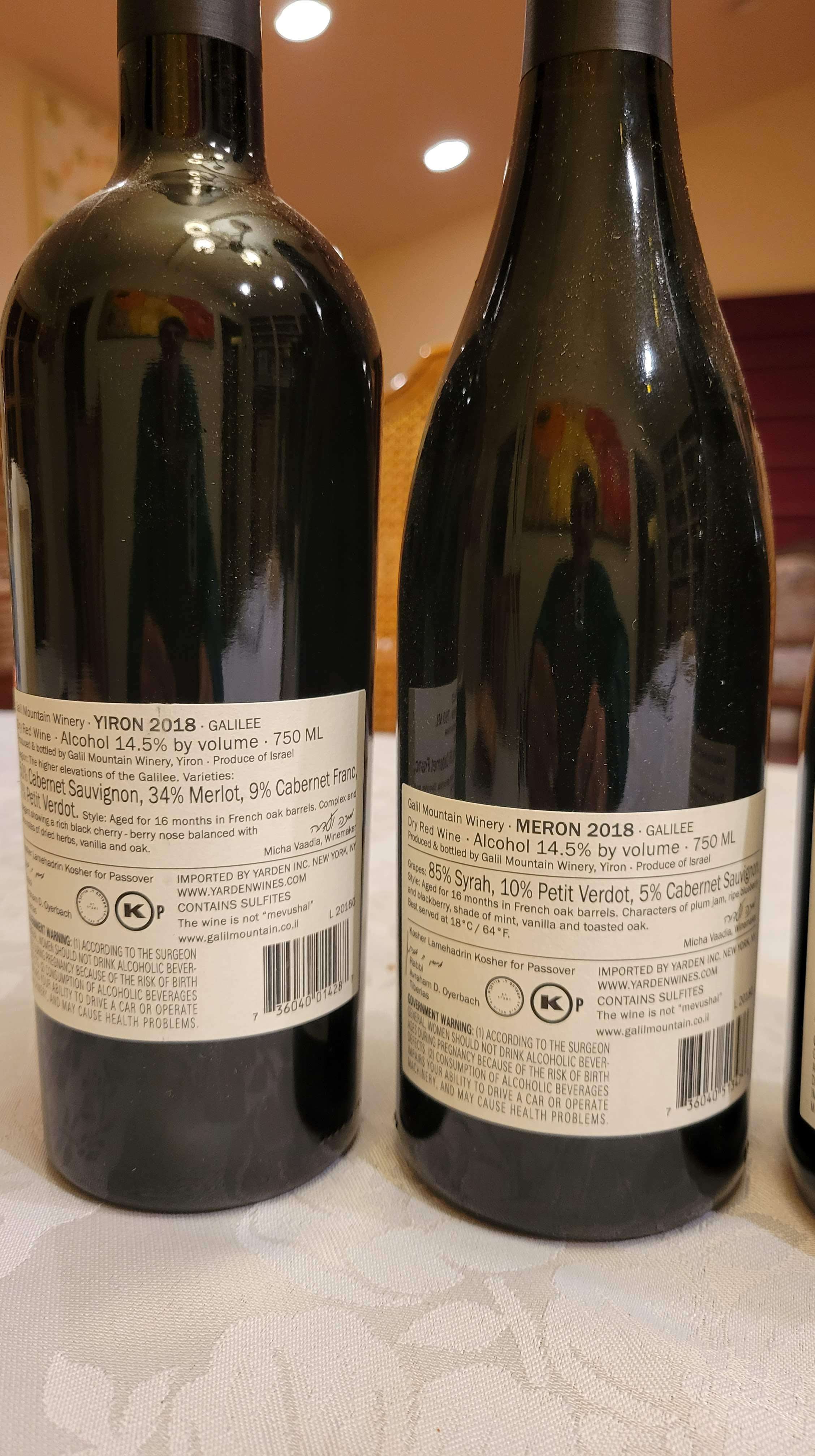
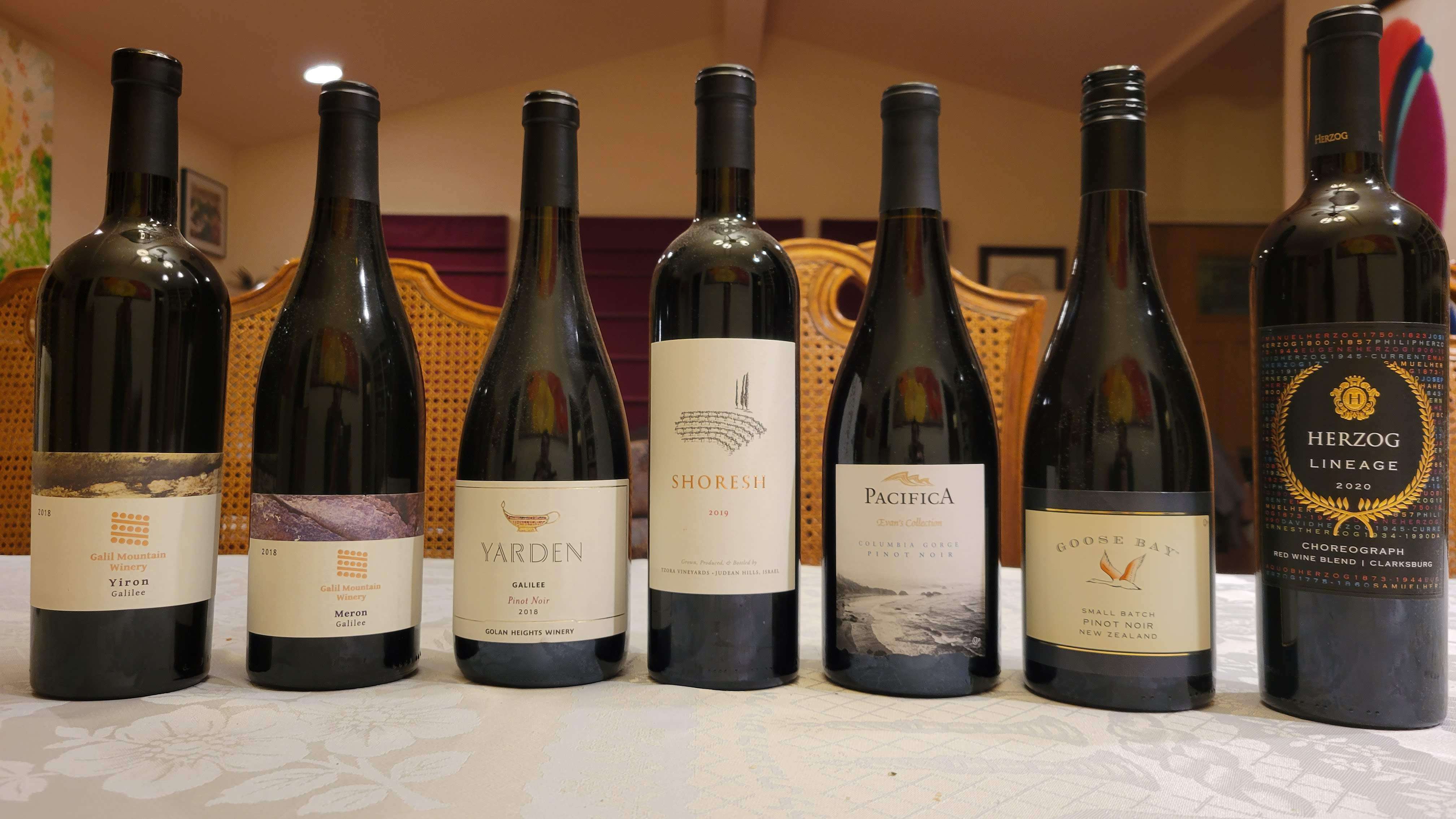

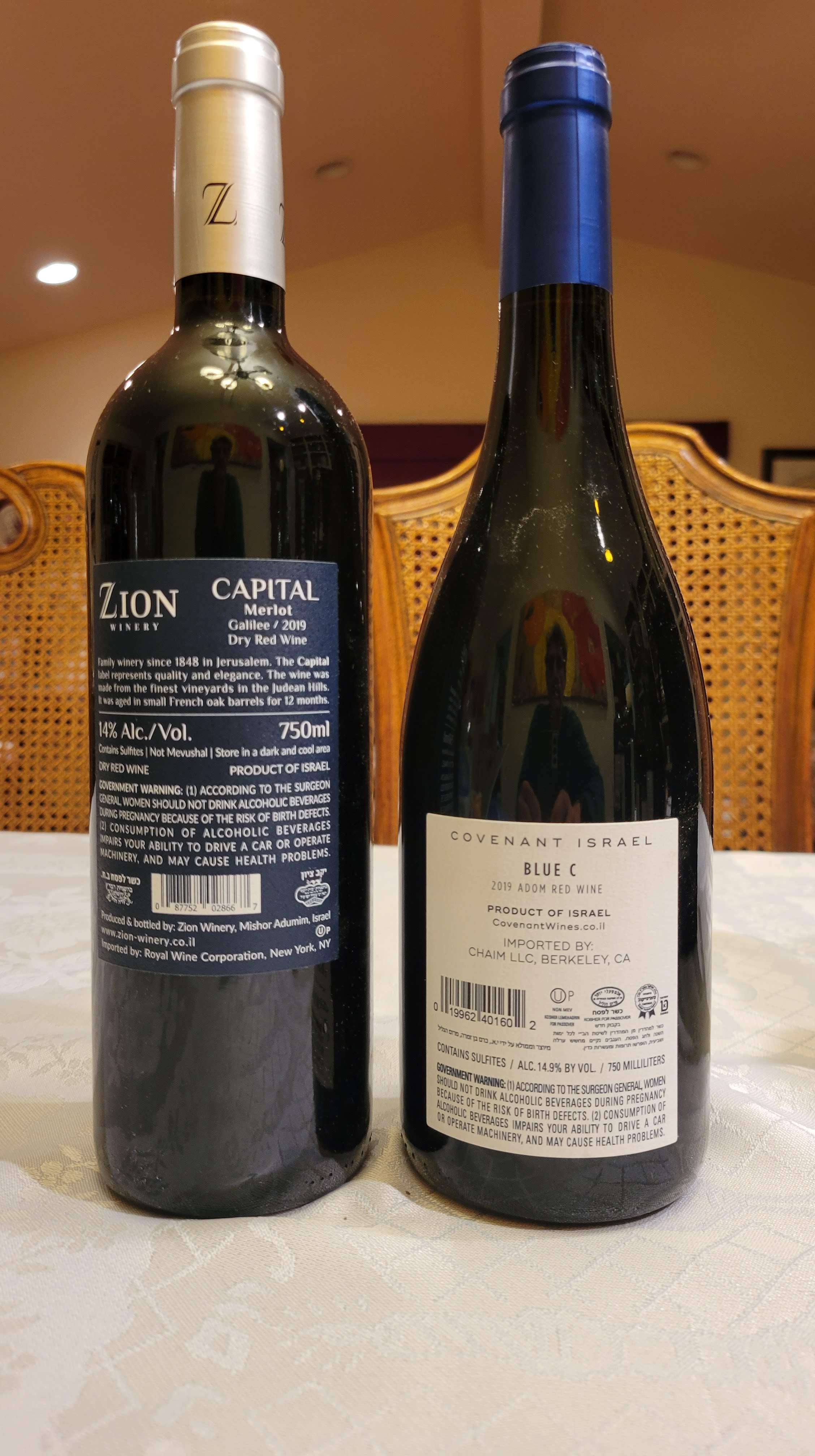
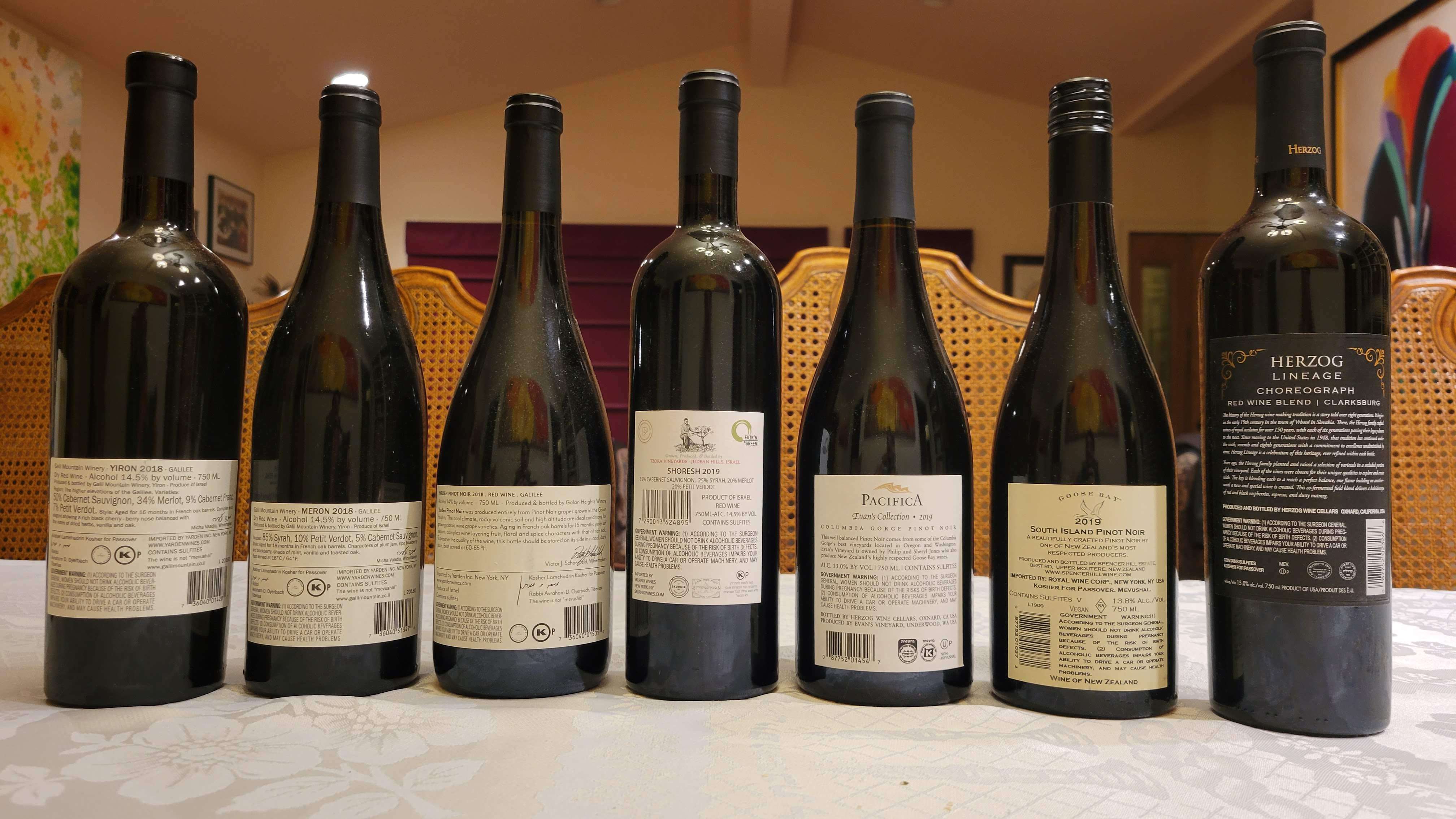
2016 Terra di Seta Chianti Classico, Assai, Gran Selezione, Chianti Classico – Score: 93.5 (QPR: WINNER)This vintage of Assai is its best and this wine is 100% Glorious, rich, elegant, focused, balanced, fruity, but tart, refreshing and concentrated – WOW! BRAVO!!! The nose on this wine is pure heaven, it is soy sauce, funk, forest floor, mushroom, fruity, red and black fruit, tar, smoke, violet, very floral, wild herbs, and rich mineral. The mouth on this medium to full-bodied wine is ripe, concentrated, but well-controlled, with ripe plum, dark strawberry, candied raspberry compote, with menthol, licorice, baking spices, all wrapped in dense sweet oak and elegant draping tannins, just incredible! The finish is long, dense, dark, rich, layered, concentrated, yet perfectly balanced, with screaming acidity, rich espresso coffee, mushrooms, almost truffle, forest floor, mineral, charcoal, graphite, and star anise. WOW!!! Drink from 2026 until 2033. BRAVO!!! (tasted January 2022) (in San Jose, CA) (ABV = 15%)
Share This:
Like This:
Alexander Valley, Asis Blend, Assai, Binyamina Winery, Blue C, Cabernet Franc, Cabernet Sauvignon, Capital, carignan, Chateau Signac, Chianti Classico, Cotes Du Rhone, Covenant Israel, Cuvee Terroir, Diamond, Evan’s Collection, field blend, Galil Mountain Winery, Golan Heights Winery, Goose Bay, Gran Selezione, Hagafen Winery, Herzog Cellars Winery, La Garenne, Ma'ayan, Merlot, Meron, Moursyr, Netofa Winery, Pacifica, Pinot Noir, Red, Shoresh, Single Vineyard, Small Batch, Special Reserve, Tabor Winery, Tel Qasser, Terra di Seta, Tzora Winery, Vitkin Winery, Yarden Winery, Yatir Forest, Yatir Winery, Yiron, Zion -

Lovely white wines to enjoy now – Jan 2022 Tasting
Now that I am done with my Paris posts it was time to finally catch up on many wines I have been tasting since I came back from hiking Kilimanjaro, in December. I know it is cold and wet outside, but white wines belong in everyone’s cellar/wine fridge for when you want to enjoy some easy-drinking wine with your soup, salad, or fish. I love to enjoy it with Tahini but to each their own.
So, as in the past, I will keep this post super short, really just a bunch of notes and I hope you enjoy the three QPR (Quality to price ratio) WINNERs as much as I did. It was really fun tasting 2021 wines in 2021! The two Hagafen wines were both unique and enjoyable. The fact that they were released within the same calendar year that they were produced, just makes it more enjoyable.
The Tzora white wines were quite nice, not quite a return to the early Aughts, but still, well-made wines and ones I would buy, if they were not so expensive. I finally had a Binah wine that I almost enjoyed, the Gruner Veltliner, but even that was missing something and not where I hoped it would be.
Goose Bay continues to crush it. Interesting note, they did not produce wine in 2020, because as you know, they are in the Southern Hemisphere. Harvest time there, for white wines, is around March, give or take a week or so. March 2020, no one was allowed to enter New Zealand, and the OU uses outside kosher wine supervisors. So, they could not produce kosher wine in 2020. I read the OU story of the Masgiach that was in Samoa and had to do crazy travel plans just to get back home. O’dwyers Creek, which is also in New Zealand, and uses the OU, as well, used local folks that Zoom’ed with the OU daily and they managed to produce a LOVELY 2020 Sauvignon Blanc. I was surprised to a 2020 O’dwyers Creek, so I reached out to the OU and that is what they told me happened, very cool, IMHO. Finally, because New Zealand is in the Southern Hemisphere, getting the 2021 wines here in December is not as unique as tasting a California 2021 wine. Either way, the wines were all quite enjoyable from New Zealand and Hagafen.
Finally, the two Viniferia wines were quite enjoyable and well priced. The new 2019 vintage of the Chateau Guiraud G, Blanc-Sec, is quite lovely and would be a QPR WINNER, except for its higher than median pricing.
The wine notes follow below – the explanation of my “scores” can be found here and the explanation for QPR scores can be found here:
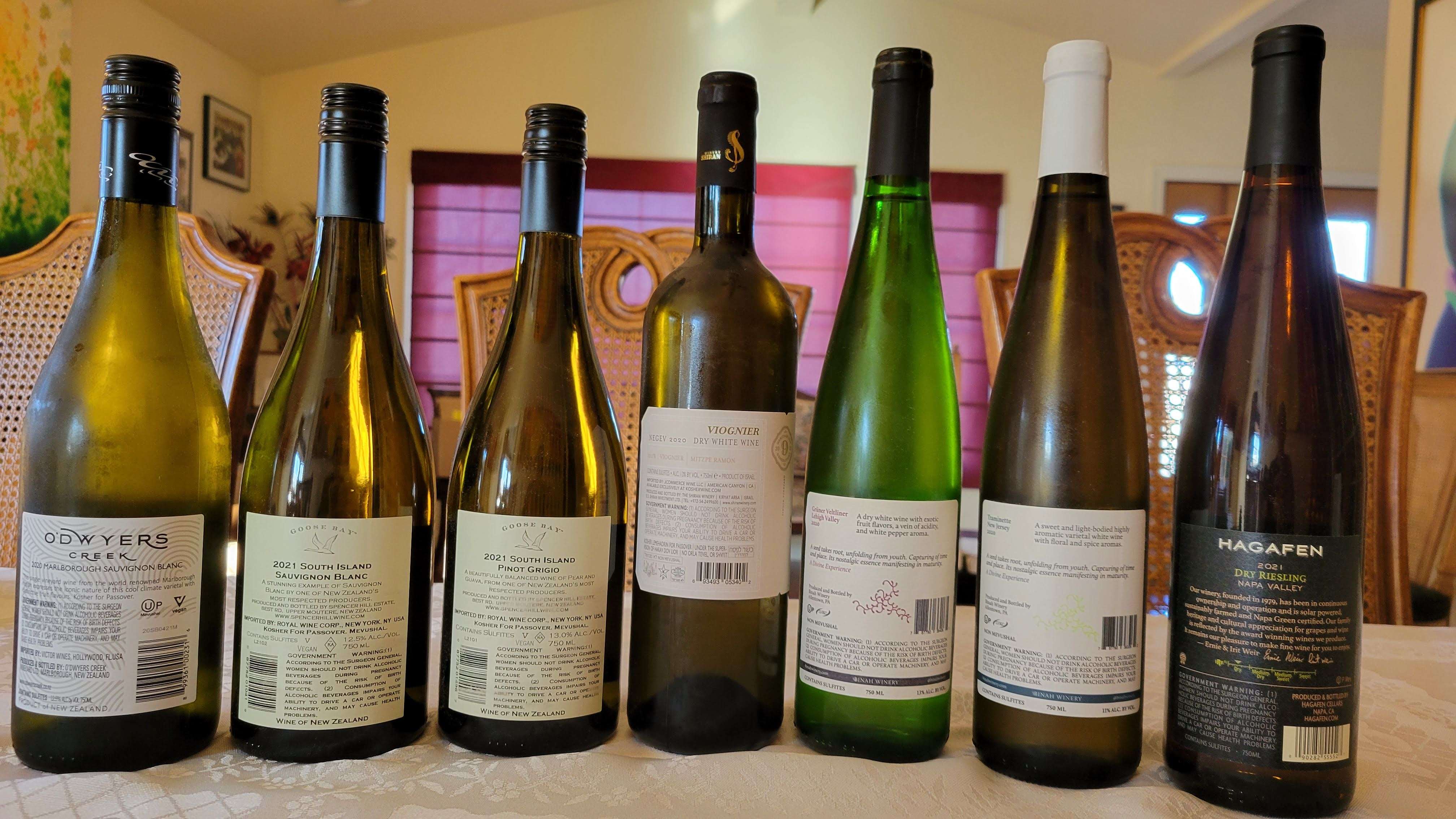
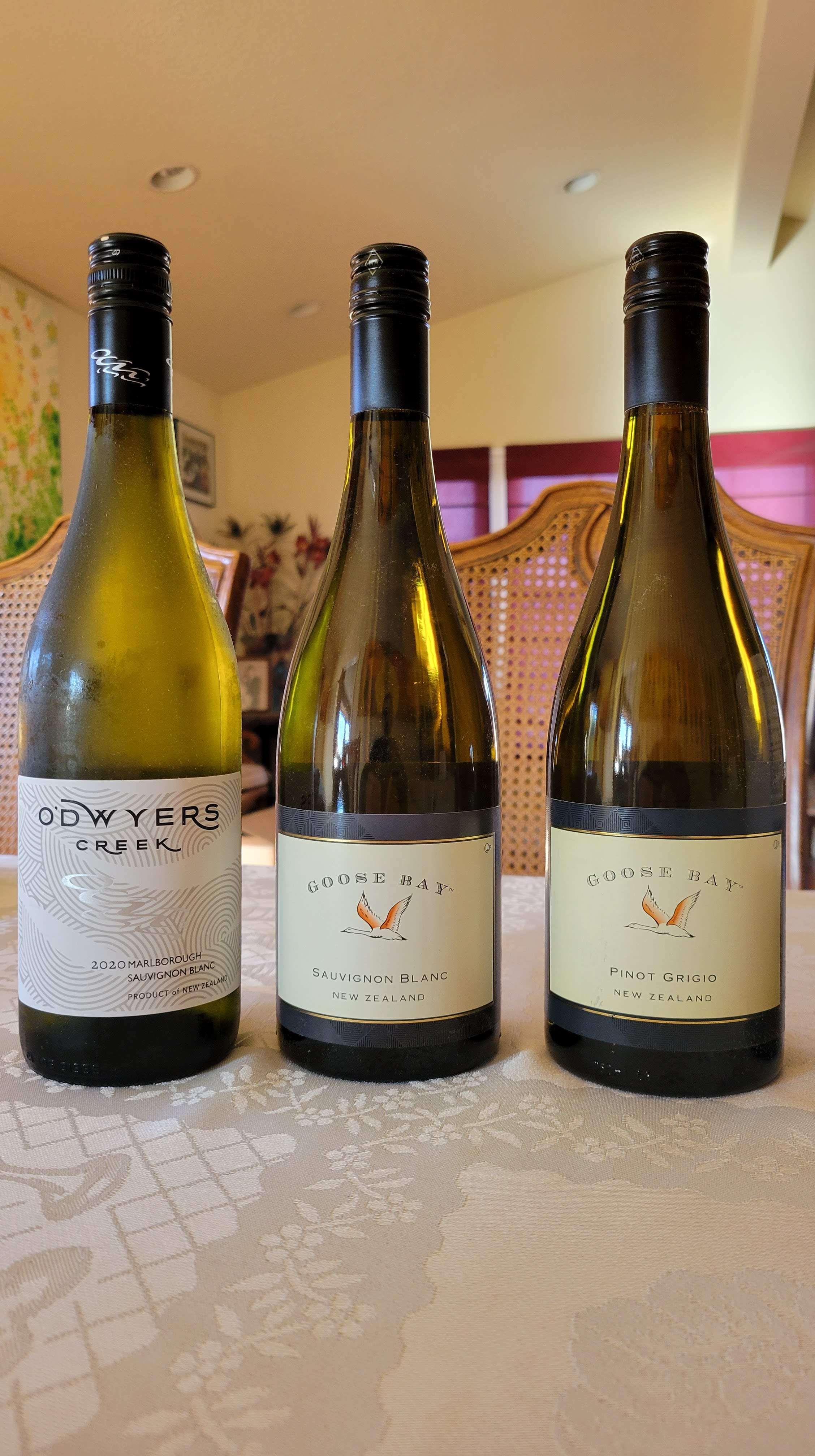
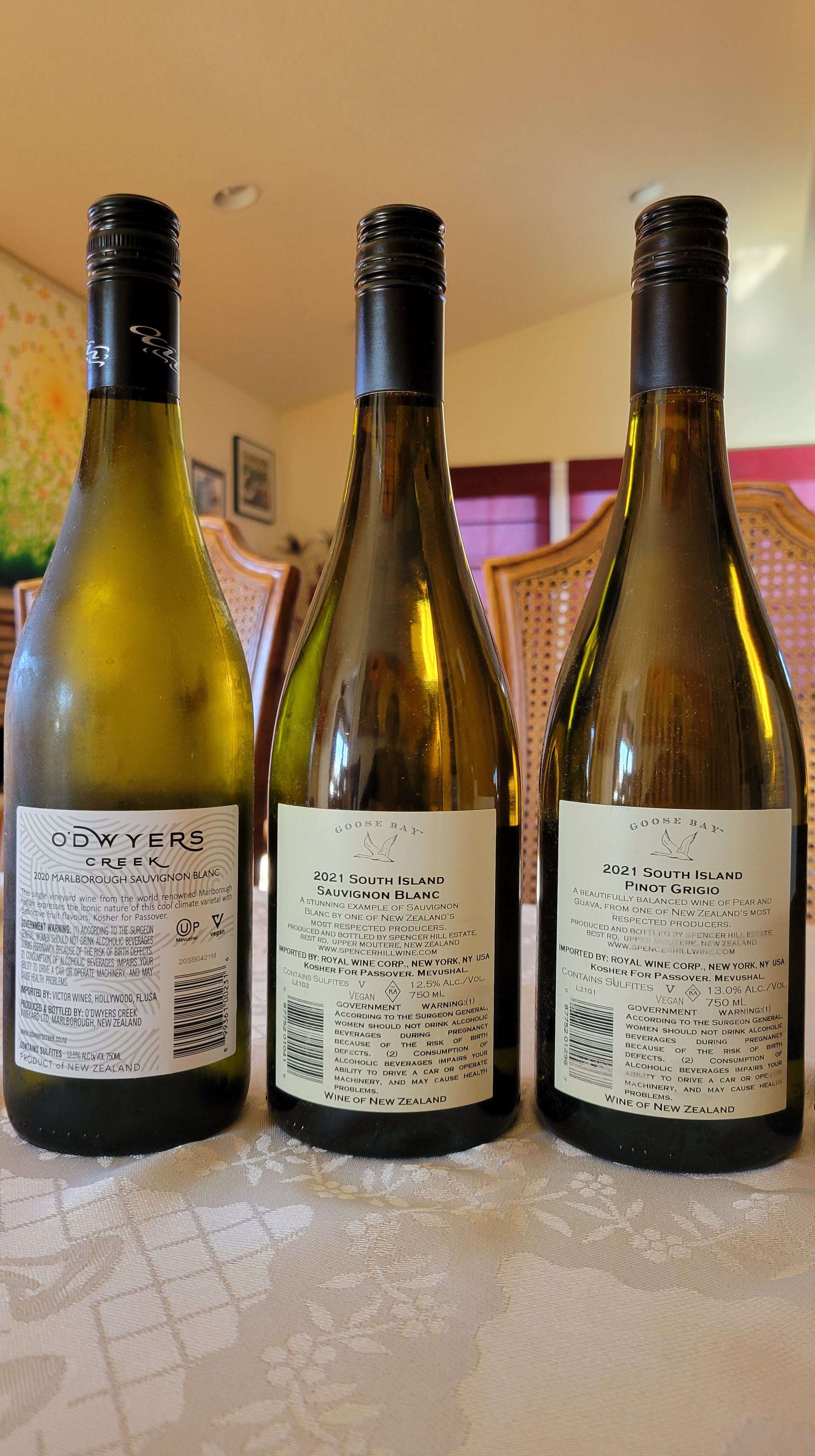
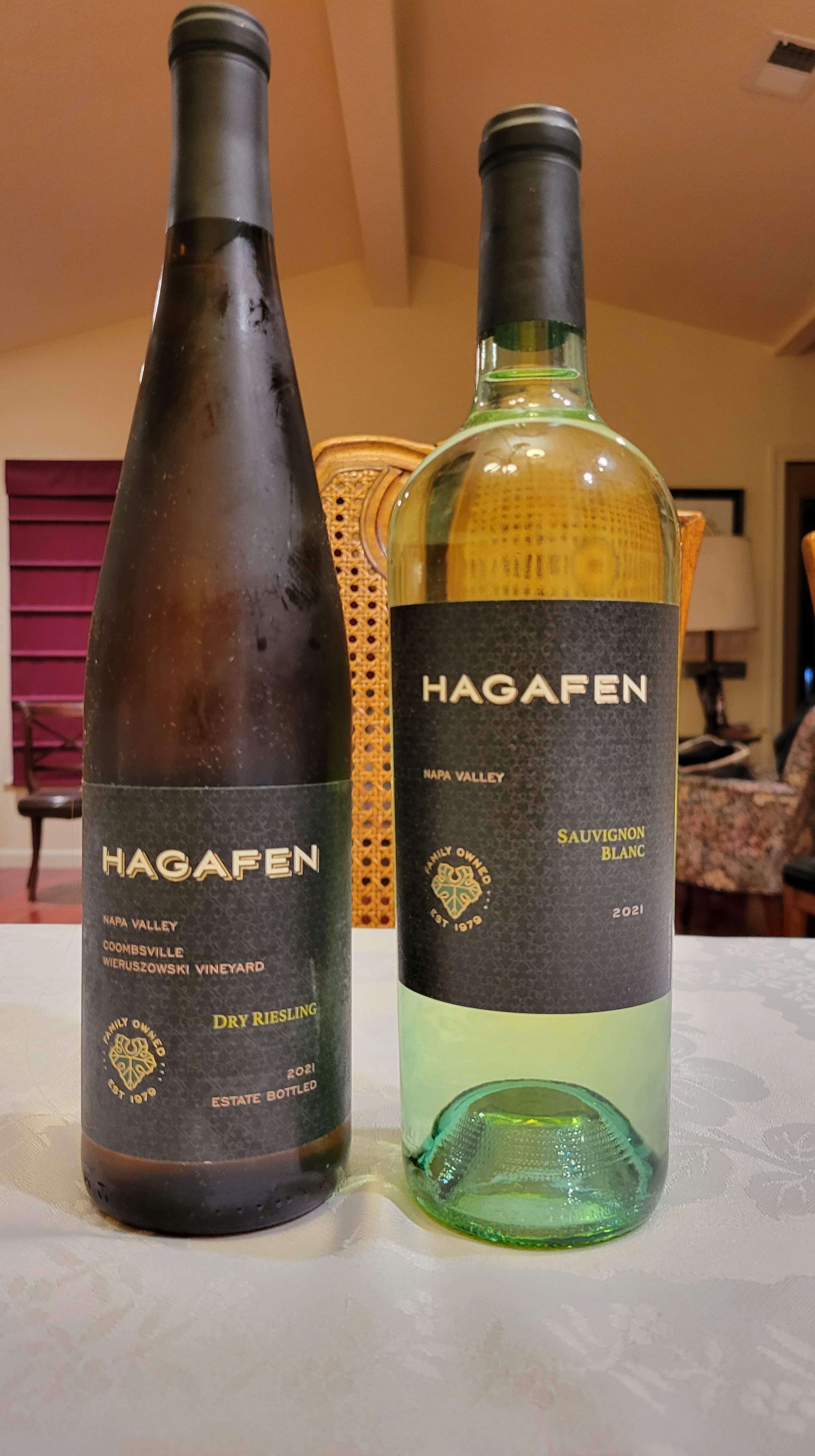
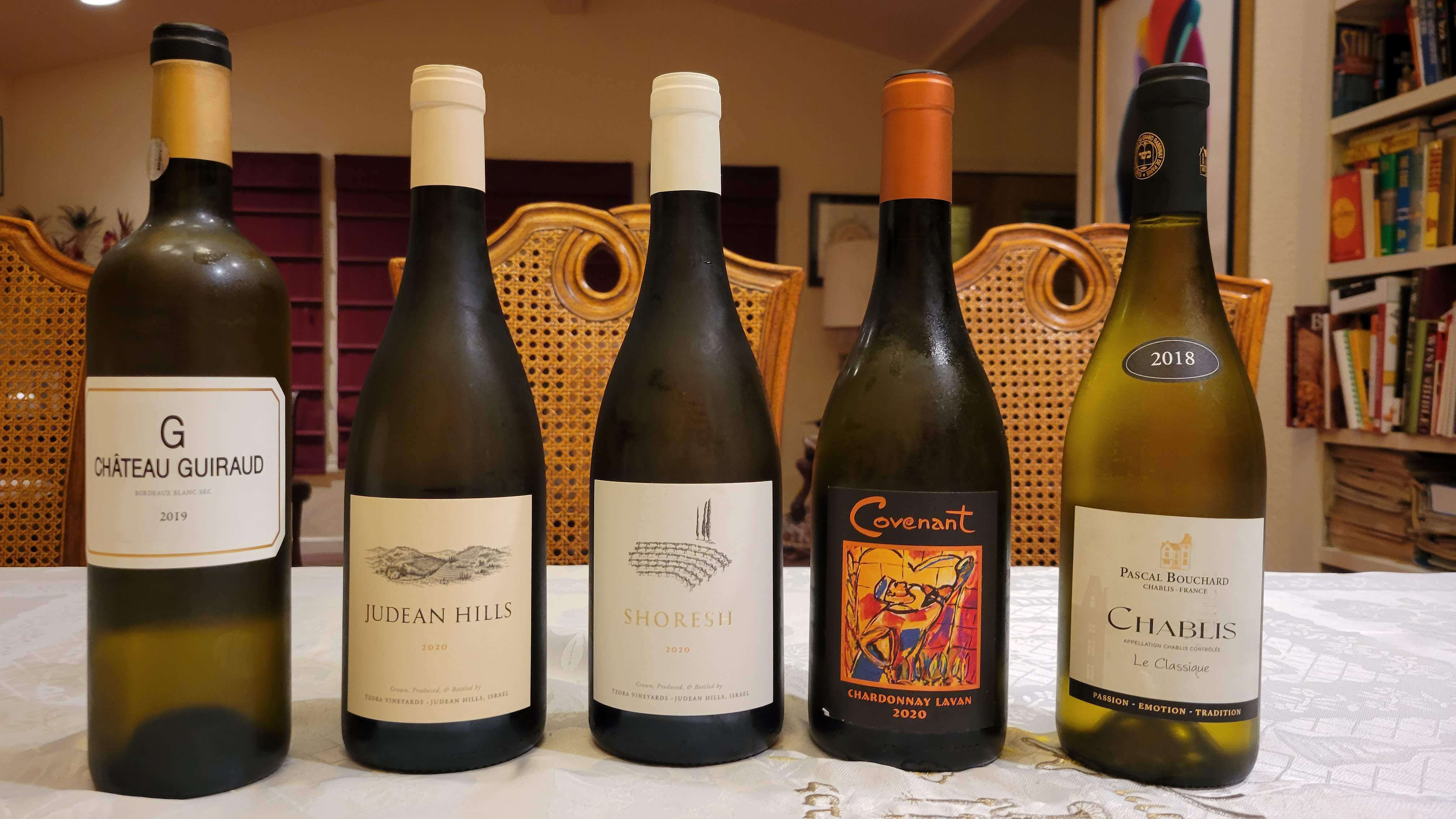

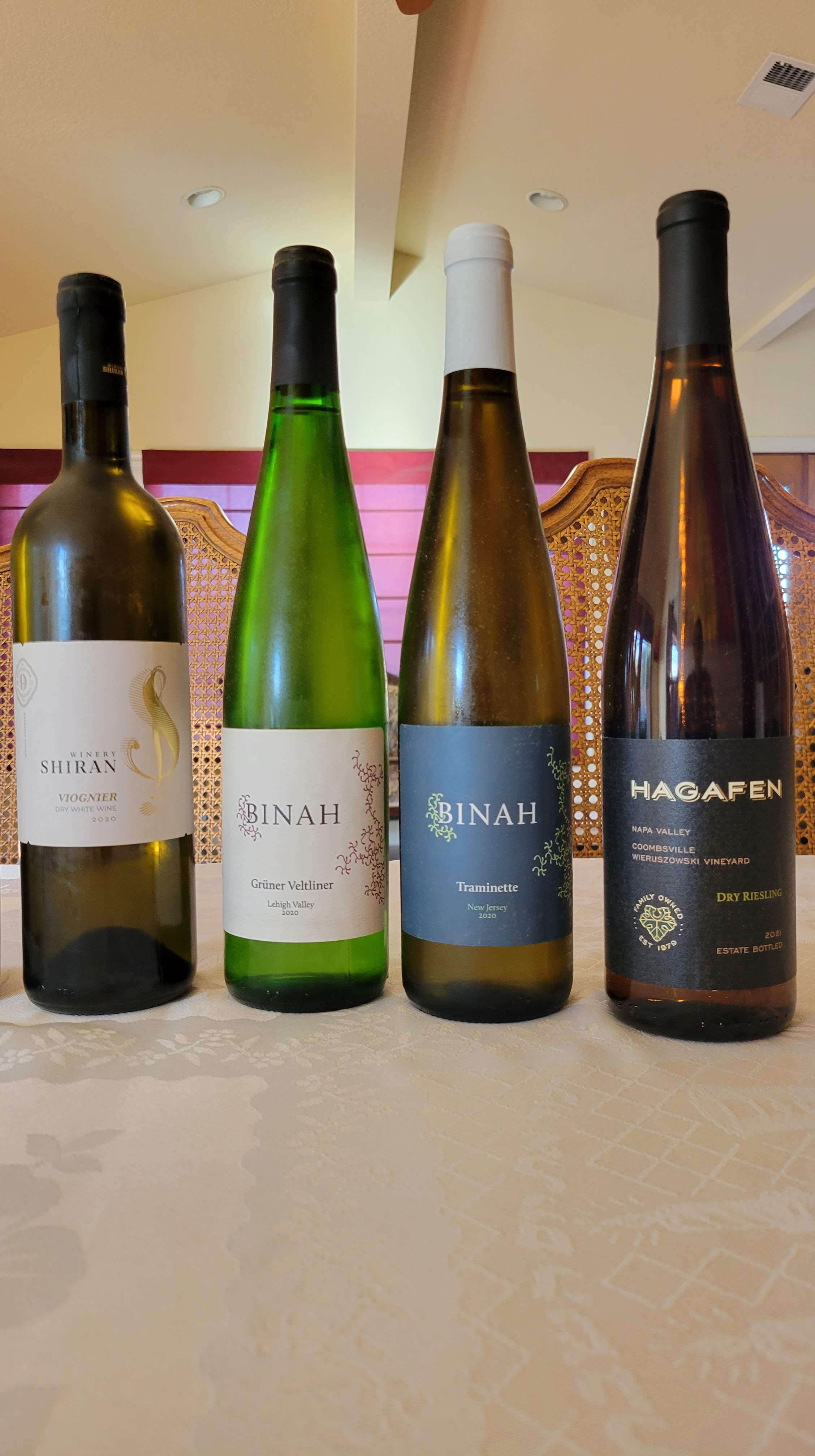

2020 O’Dwyers Creek Sauvignon Blanc, Marlborough (M) – Score: 92 (QPR: WINNER)The nose on this wine is classically New Zealand in style, cat piss, green notes, gooseberry, passion fruit, fresh-cut grass, and bright fruit all over the place. The mouth on this medium-bodied wine is lovely, showing nice flint notes, smoke, rock, saline, gooseberry, lemongrass, guava, lychee, and crazy acid, that comes at you in waves, so much fun! The finish on this wine shows more saline, rock, flint, smoke, mineral, gooseberry, freshly cut grass, and intense acid, so much fun!!! BRAVO!! Drink until 2024. (tasted December 2021) (in San Jose, CA) (ABV = 12.50%)
Share This:
Like This:
-
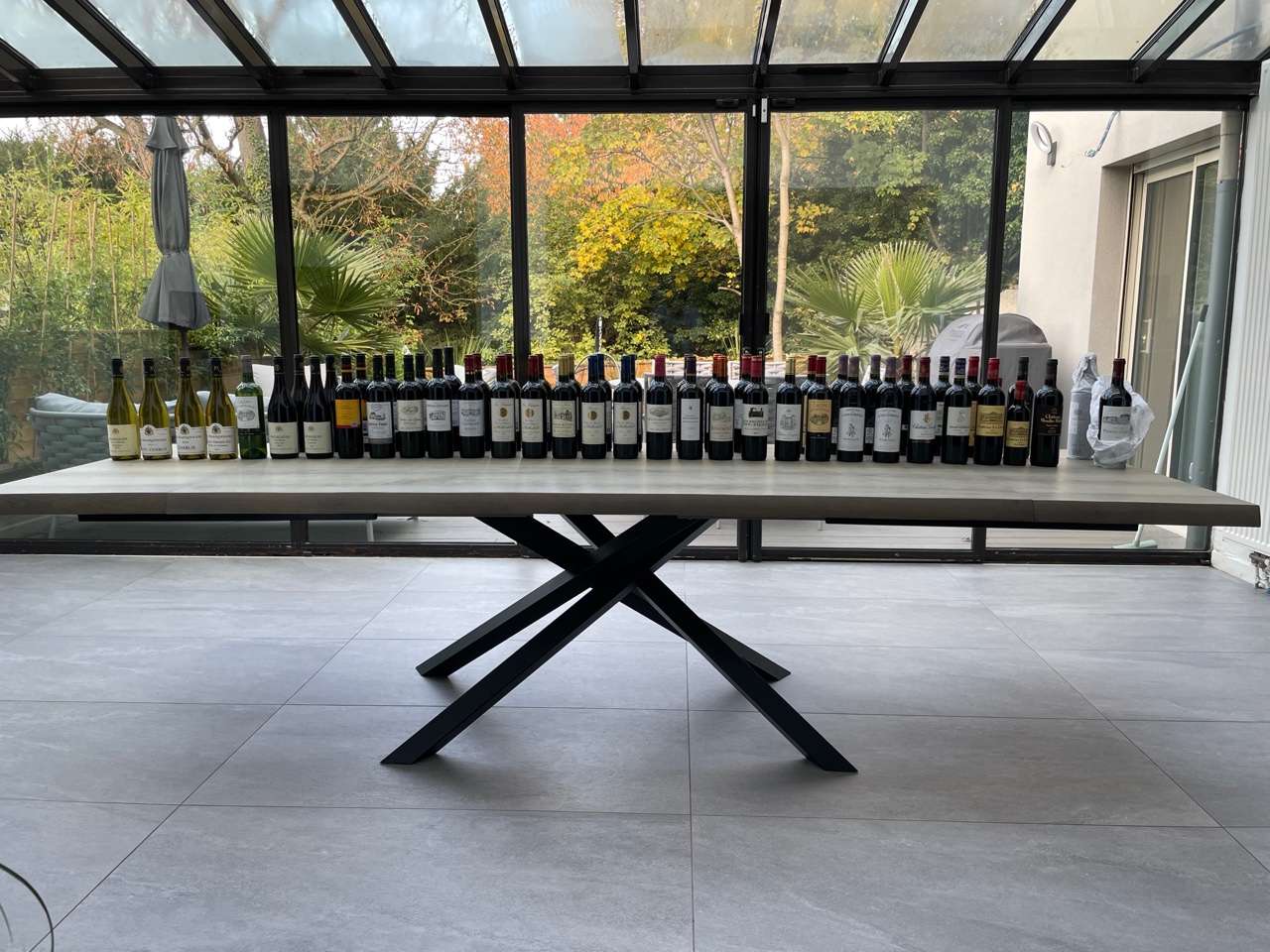
Paris – November 2021 – Part 3 – Royal’s Truly Royal 2019 Vintage with Menachem Israelievitch
Share This:
Like This:
Barons Edmond & Benjamin de Rothschild, Blanc, Bordeaux, Bordeaux Superieur, Bourgogne, Chablis, Chateau Canteloup, Chateau de Parsac, Chateau Genlaire, Chateau Giscours, Chateau Greysac, Chateau LaGrange, Chateau Le Crock, Chateau Les Riganes, Chateau Malartic Lagraviere, Chateau Malmaison, Chateau Moulin Riche, Chateau Pontet Canet, Chateau Royaumont, Chateau Saint-Corbian, Chateau Trijet, Chevalier de Lascombes, Domaine Ternynck, Etoiles de Mondorion, Gazin Rocquencourt, Grand Cru Classe, Grand Cru Classe en 1855, grand vin, Grand Vin de Bordeaux, Haut-Medoc, Lalande de Pomerol, Les Brulis, Les Lauriers, Les Marrioners, Les Roches de Yon Figeac, Les Truffieres, Margaux, Medoc, mevushal, Montee de Tonnerre, Moulis en Medoc, Pauillac, Pessac-Leognan, Petit Chablis, Premier Cru, Ramon Cardova, Rioja, Saint Emilion Grand Cru, Saint-Estephe, Saint-Julien -
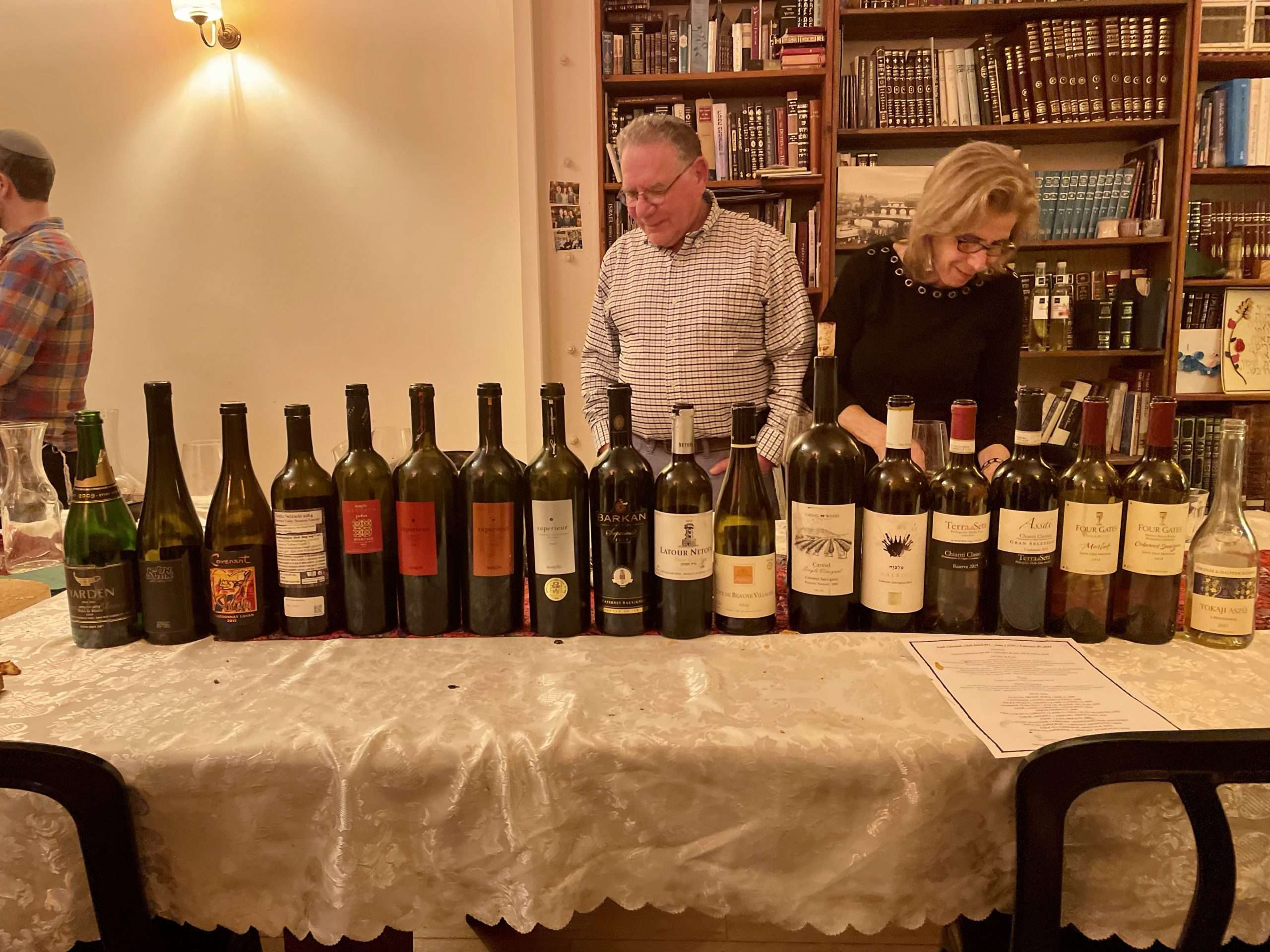
RCC Israel #41 – Adar-1 5782
Share This:
Like This:
Alpha Omega, Assai, Barkan, Cabernet Sauvignon, Carmel, Côte de Beaune Villages, Chardonnay, Chianti Classico, Covenant, Domaine d'Ardhuy, Four Gates, GHW, Gran Selezione, Hajdu, kayoumi, latour netofa, Lavan, Malkiya, Merlot, Nebbiolo, olan Heights Winery, Pinotage, Reserve, Riserva, Superieur, Tabor, Terra di Seta, Ya’acov Oryah, Yarden -
Four Gates Winery’s January 2022 new releases
Share This:
Like This:
-
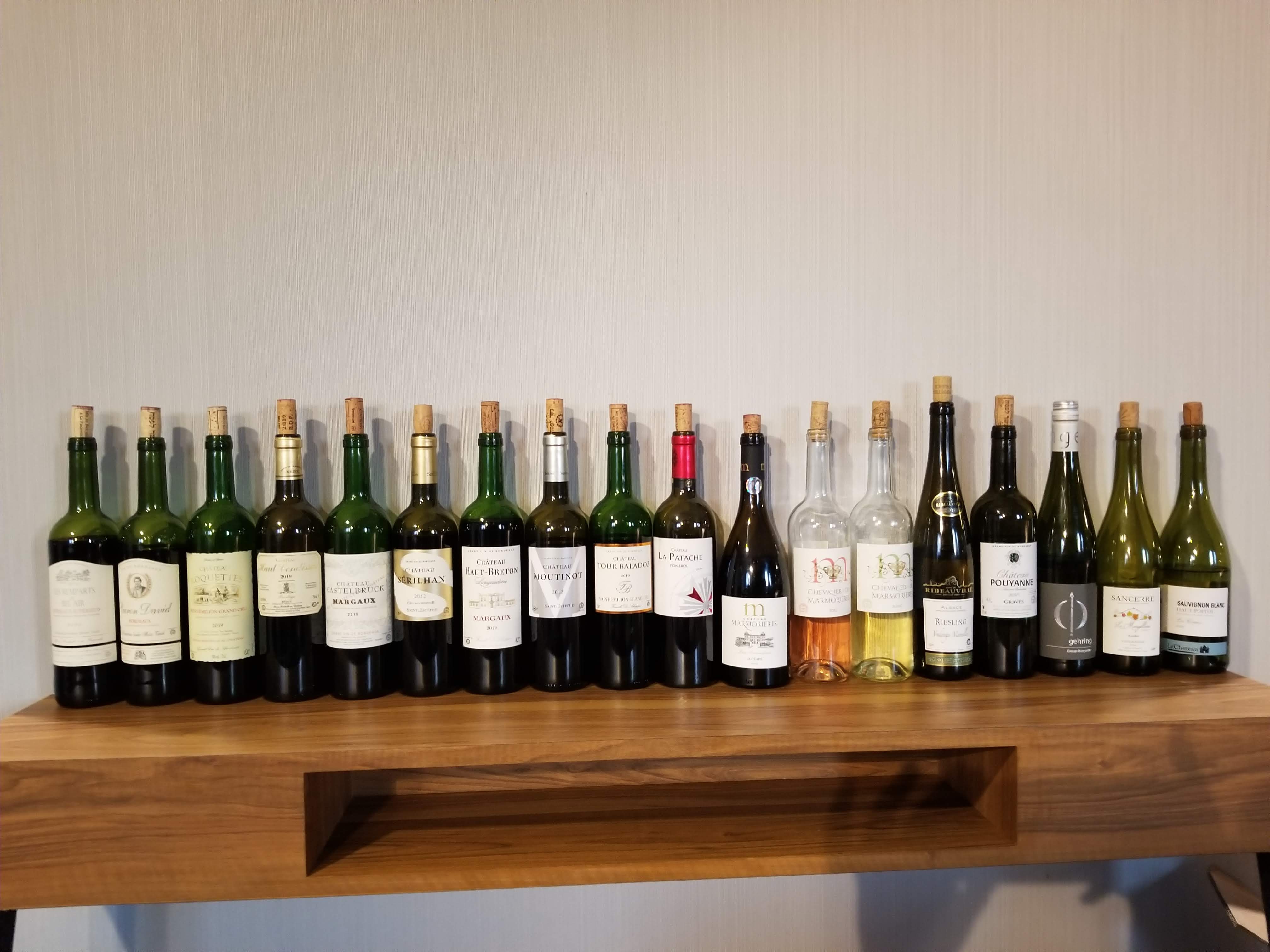
Final Tasting from my trip to Paris – November 2021
As stated in my previous post, I was in Paris in November, and while it took forever to post these notes, I am happy to finally be getting to them at this point. The total number of boxes in our hotel room, much like in June, still makes me laugh!
As I stated, in my previous post, I kept to my hotel room for much of the trip. I was joined by Avi Davidowitz from Kosher Wine Unfiltered. Even vaccinated, I was worried, as such we kept to ourselves, where possible. Almost all the wines below were tasted with Avi, in our hotel room, a few were tasted after he returned home to Israel.
Marmorieres Wines
I truly enjoyed the Château de Marmorières Les Amandiers, La Clape, Languedoc we had in June. So, I made sure Avi tasted that along with other wines from the winery, which was only released after I left Paris in June. The rose and white were nice while the Cab and Merlot were less interesting.
White wines from all over France
For the most part, the list was weak as it had too many boring Chablis. There were one or two nice wines, so look for those WINNERS. The best of that group has the worst name I have ever seen – LaCheteau Sauvignon Blanc – like seriously??? Anyway, horrible name – great wine!
Charles Pere & Fils Burgundy Wines
I was hoping to enjoy some 2020 Burgundy wines, but sadly, none of them stood out in a good way. They felt rushed, not complete, and overall, lackluster. I hope subsequent vintages will be better.
Rhone Wines
We had wines from Famille Daubree and Les Vins De Vienne and neither of them stood out. Again, they were very ripe, and we gave them days to come around, they never did. These are not what I am looking for. They are well made but too ripe for me. If you like well-made ripe French wine, try them out.
Various Bordeaux Wines
This group was a total loser, just like in June, except this time – there were no new wines to save me! Thankfully, for Avi, there were many of the wines I enjoyed in June, but for me, there was not a SINGLE red wine I would drink. That is how bad the options were!
German Weingut Gehring Wines
These wines were the most enjoyable and reasonably priced wines we tasted in our own tasting. The wines were made for an Israeli entrepreneur, who was going to sell them to hotels and restaurants, but sadly, he died, and the wines just sat in Germany! Some of them made their way to Israel anyway and that is where Avi and a few others saw them and worked crazy hard to buy them. Avi brought one wine with him, but I wanted to taste them all, there are three of them.
Weingut Gehring made three kosher wines with this gentleman who passed away, a Riesling, Grauer Burgunder (Pinot Gris), and an off-dry muscat. So, while I was in France I called the winery and paid them to ship the wines to my hotel, which worked perfectly! That was how I was able to taste all three of them. The wines that were sent to me all have Hebrew back labels as they were meant for the Israeli market and while the Hechsher is good it is not one many would know.
Thoughts on this tasting
Overall, these wines were unimpressive, but wow did we find some real sleepers! The 2020 LaCheteau Sauvignon Blanc, Les Cimes, Haut-Poitou, Loire Valley is a no-brainer for those in France/Europe. Same for the two german wines. Other than that it was a total mess and I hope the next trip will have better options!
Though none of these wines will ever make it to the USA shores, some are in Israel and I feel bad for you. The LeChateau is in Israel, but I have no idea if there were transport issues, like with many other French wines imported into Israel, in the past. The two German wines were in Israel but I have no idea about their distribution. Either way, thankfully, these wines can stay in France/Europe, there is nothing I want here, other than maybe the German wines, but I think they are all spoken for.
The wine notes follow below – the explanation of my “scores” can be found here and the explanation for QPR scores can be found here:
Chevalier Wines
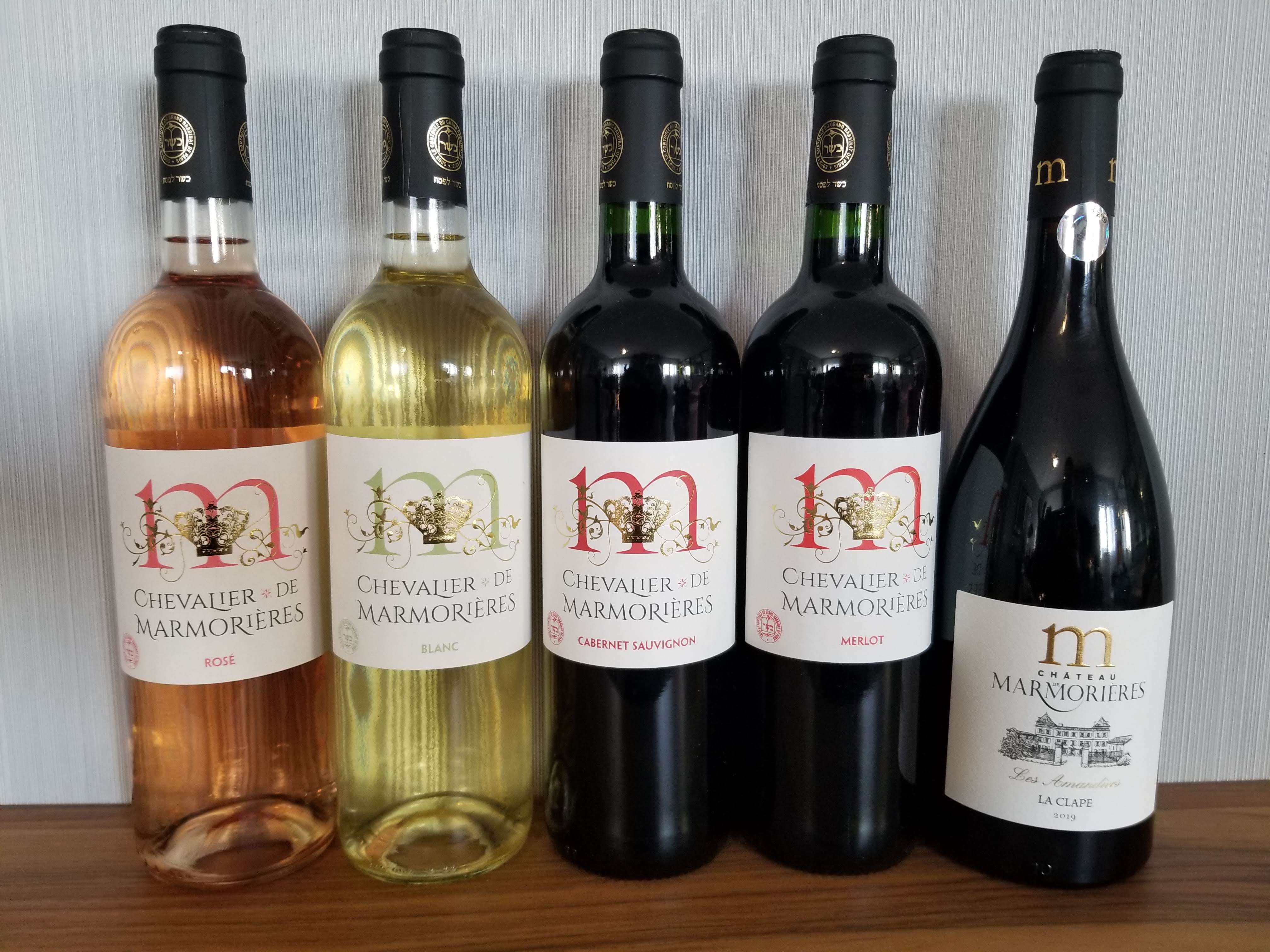
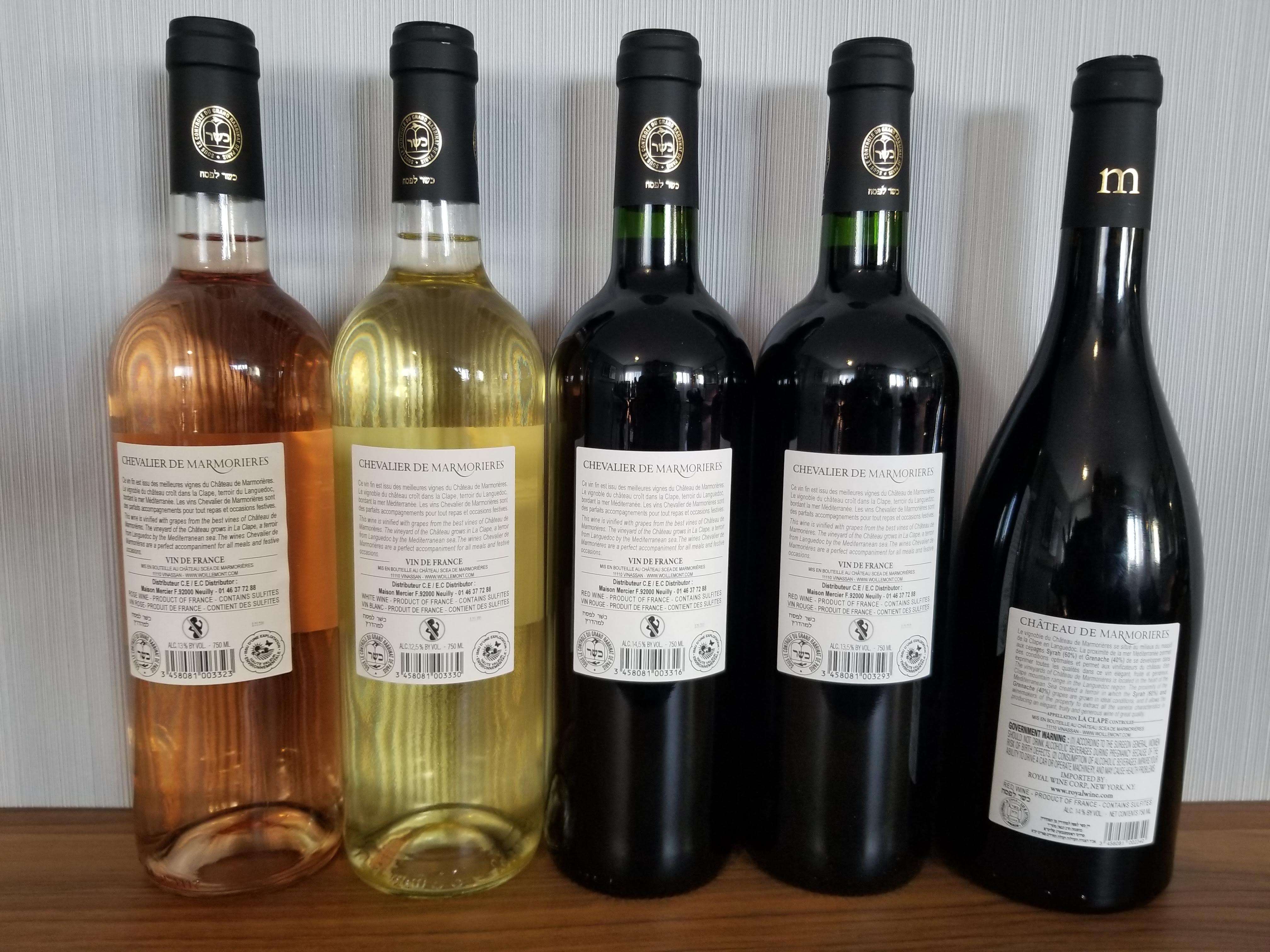
2020 Chevalier De Marmorieres Rose, Vin de France – Score: 90.5 (QPR: GREAT)Clean smelling rose with good lines, bright fruit, floral notes of violet, honeysuckle, raspberry, honeyed fruit, and tart lemon. Nice job, the mouth on this medium-bodied rose is tart, right on the money, well priced, with lovely strawberry, sweet pomelo, mango, with searing acidity, tart lemon, lemon pith, sweet peach, and nice refreshing acidity to bring it all together – nice! The finish is long, ripe, and well-balanced, with slate, acid, and good fruit. Nice! Drink now! (tasted November 2021)
2020 Chevalier De Marmorieres Blanc, Vin de France – Score: 90 (QPR: GOOD)The nose on this wine is very fruity, smells a lot like Viognier, with white peach, apricot, funk, guava, and sweet fruit. The mouth on this opens slowly, with nice acidity, that is slow to fully show, nice acidity, with guava, ripe peach, Pomelo, sweet honeysuckle, honeyed tropical fruit, and ripe melon. The finish is long, tart, ripe, and well balanced, with more funk, saline, mineral, and slate. Nice! (tasted November 2021) (in Paris, France) (ABV = 12.50%)
Share This:
Like This:
1er Cru, Beaune, Blanc, Bodegas Faustino VI, Bordeaux, Bordeaux Superieur, Bourgogne, Cabernet Sauvignon, Cantine Leuci Fiano, Chablis, Charles Pere & Fils, Chateau LaPatche, Chateau Massieu Boutet, Cherrier Freres, Chevalier De Marmorieres, Cote Rotie, Cotes Du Rhone, Crozes Hermitage, Domaine de Corps de Loup, Domaine de Coste Chaude, Domaine des Beaumonts, Famille Daubree, Grauer Burgunder, Hang Riesling, Hautes-Cotes de Beaune, La Source de L'Argentier, LaCheteau, Les Essartailles, Les Vin de Vienne, Loire Valley, Merlot, Paris Hotel, Petit Chablis, Pommard, Ribeauville, Riesling, Rioja, Rose, Sauvignon Blanc, Trocken, Volnay, Weingut Gehring -
Paris tasting of Moise Taieb wines – November 2021
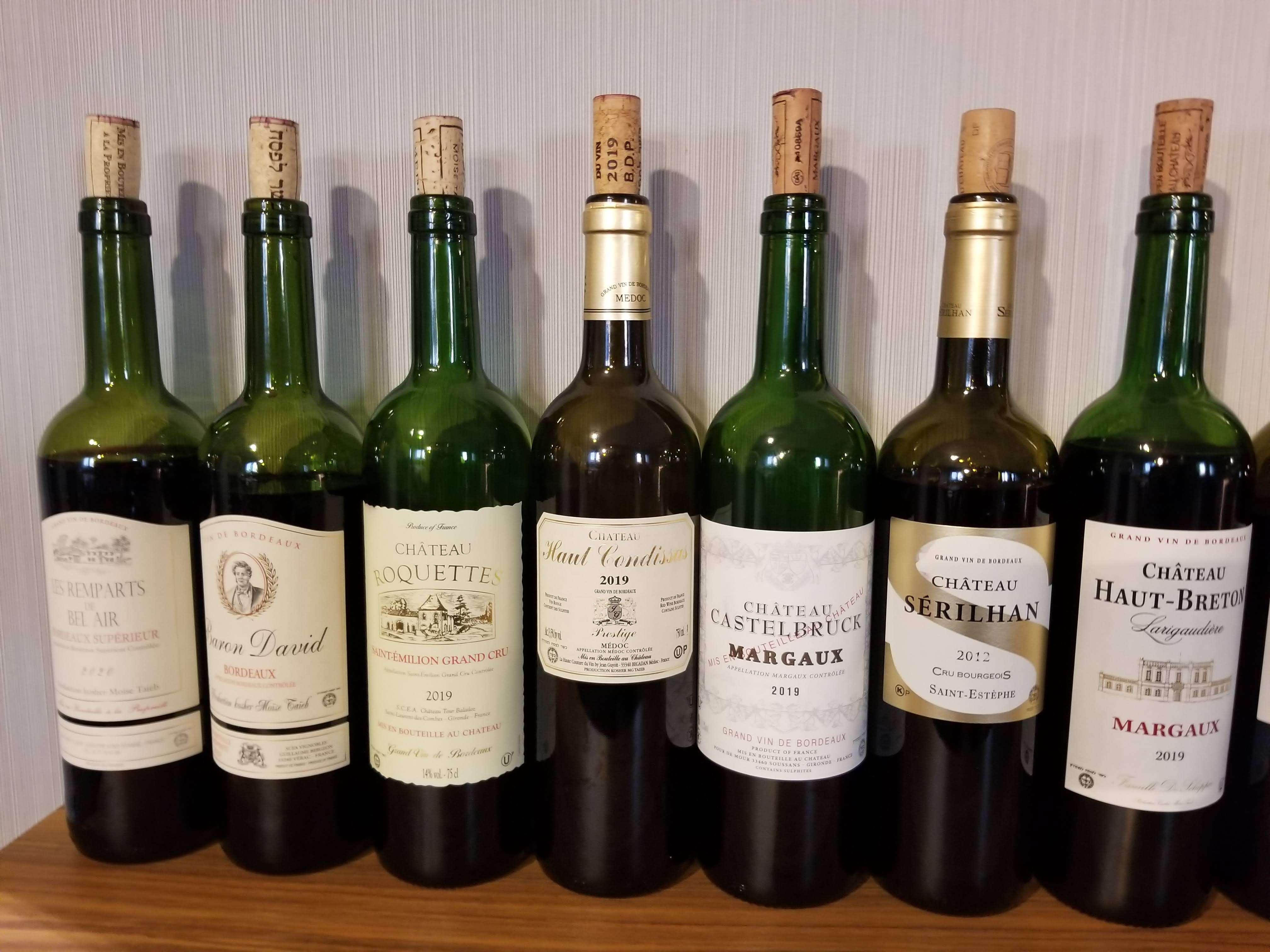
As stated in my previous post, I was in Paris in November, with Avi Davidowitz, from the Kosher Wine Unfiltered blog, and while it took forever to post these notes, I am happy to finally be getting to them at this point. I must start by thanking Yoni Taieb and the rest of Taieb wines for sending the wines to us to taste. In the past, I have made my way to Taieb’s office, once by myself and once with Avi Davidowitz from Kosher Wine Unfiltered.
As stated, in my previous post, we kept to my hotel room for much of the trip. Even vaccinated, I was worried, and am still worried, as such we kept to ourselves, where possible. Still, we were ready to take the train down to the offices, but things could not line up and so Mr. Taieb was very kind, to once again, send the wines to our hotel. We then stayed in the hotel room and tasted through them.
As always, you can get these wines and much more from Taieb’s online website. They ship within Europe and to London. Sadly, they are all sold out of the incredible 2019 Burgundies that I enjoyed tasting at Andrew Breskin’s house. Andrew has some of them still for sale, like the lovely 2017 Domaine Chantal Lescure and the 2019 Jean-Philippe Marchand wines – lovely!! Get them while they last!
Tasting in the hotel room
The most hilarious part of our trip was life in the hotel. Everything in Paris is masked and distanced. We had cases, upon cases of wines coming to us at the hotel, differently than last time, as this time, they all came to the hotel. Still, we thankfully had loads of room as we had the top floor suite and the space was ridiculous.
In the end, it was a wonderful outcome, short of not seeing the Taiebs, again. We had time to taste the wines at our pace, room for all the wines to sit and breathe. As stated, we missed hanging out with Mr. Taieb, and I hope he and his lovely family are doing well!
NOTE: A few of the wines seemed to be a bit off, the 2019 Pavillon du Vieux Chantre, 2019 Domaine de Grava, and 2019 Château De L’Anglais. I will not post my notes here as I need to taste them again when I go back to France or if I can get them here in the USA. There were a few Champagne as well, but none of them stood out enough for me to post them here. Finally, we have very few photos of these, apologies.
QPR WINNING Wine Distributor
Since the first time I was lucky to sit down and taste through the Taieb Wine portfolio, I kept commenting to Yoni, how there were so many good QPR wines, for those that live within Europe and London, and even a few for the USA as well! Now, how does this happen? Well, let us talk about Taieb’s wine portfolio. They have an exclusive relationship with Laurent Perrier for producing kosher Champagne, and that is great. While they do not make wines like Chateau Smith Haut Lafite, Chateau Malartic, or Chateau Leoville Poyferre, they do produce and distribute wines, within Europe that are of very high quality at reasonable prices, AKA, QPR WINNERS.
Let us continue with the fact that Taieb makes some of the very best Burgundy wines on the market and has been doing so for more than 10 years now! However, those wines, while wonderful, are not as much QPR as they quality/score stars! In Bordeaux, Taieb has gone a different route by consistently producing wines, within Bordeaux, that punch well above their weight and many that shock you for the price they are selling at. They may not top out at 95 in scores, like Domaine Chantal Lescure, Domaine D’Ardhuy (almost), or J.P. Marchand, but they do choose the wineries they work with inside of Bordeaux, incredibly well, to create QPR WINNERS at a very impressive rate!
In the end, that is what differentiates Taieb from the other Kosher wine producers. Sure, Royal Wines does a great job with QPR while also having the quality superstars that are hard to fit in the QPR bucket. In my last tasting with Bokobsa, they showed high quality and good prices, in France, for a fair number of wines. Still, when I think of QPR options, within Europe, I think of Taieb’s portfolio! I am consistently shocked at why the folks in London do not buy Taieb wines by the cases – given the wonderful prices, the easy shipping, and the favorable exchange rate. The real Achilles Heel of Taieb Wines, IMHO, is the lack of great distribution and equally solid pricing in the USA.
Until then, you can follow what I wrote up in this post, and try to piece together some of these wines in the USA, if you can! Thankfully, we have Andrew, at Liquid Kosher, helping to drive Burgundy excellence in the USA, and most recently bringing in some of the better Bordeaux wines, as well. Further, three of these wines, posted below, are QPR WINNER, even in the USA. We need more of this!!!
In Closing
Again, the theme of very solid Taieb wines being very hard to find in the USA is a consistent issue to me. Thankfully, some of these wines are being brought in by Andrew, at Liquid Kosher, so I hope to taste at least some of these again in the USA soon. My many thanks to Yoni Taieb and all at Moise Taieb Wines & Spirits for taking the time to send me the wines to my hotel. The wine notes follow below – the explanation of my “scores” can be found here and the explanation for QPR scores can be found here:
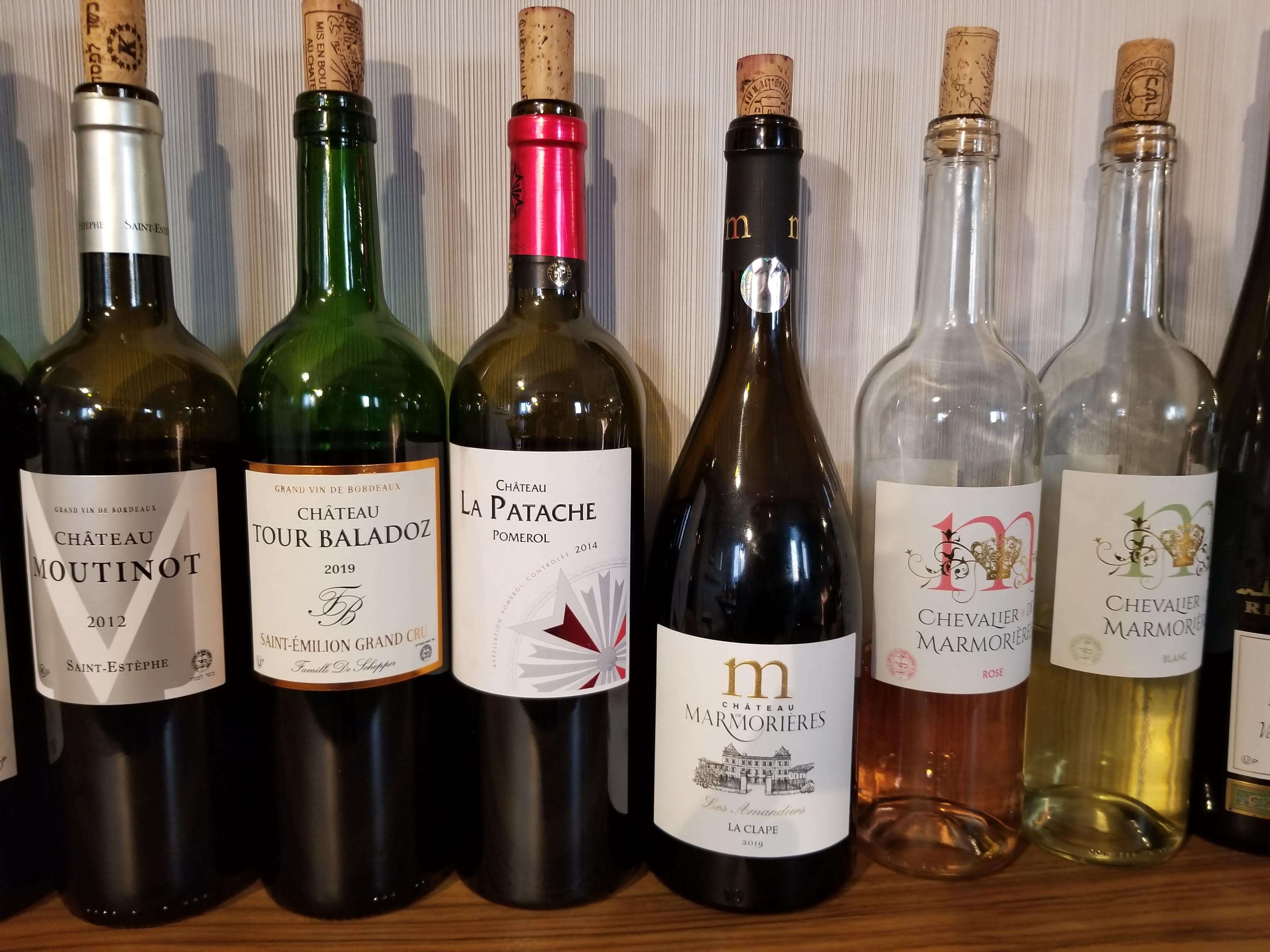
2020 Baron David, Bordeaux (M) – Score: 91 (QPR: WINNER (France))The nose on this wine shows very much like previous vintages, with good clean lines, green notes, red fruit, herb, forest floor, foliage, and loam. The mouth of this medium-plus wine is tannic, balanced, acidic, and green, with herbal notes, foliage, bell pepper, raspberry, dark cherry, roasted mint, basil, and tarragon, with a backbone that is based in fruit and acid and nice minerality. The finish is long, green, tannic, with scraping minerality, graphite, clay, and nice loam. Nice!! Drink until 2024. (tasted November 2021) (in Paris, France) (ABV = 14%)
Share This:
Like This:
Baron David, Bordeaux, Bordeaux Superieur, Chateau Castelbruck, Chateau De L’anglais, Chateau Haut Breton Larigaudiere, Chateau La Naude, Chateau Meilhan, Chateau Roc de Boissac, Chateau Roquettes, Chateau Tour Baladoz, Château Tour de Bellegarde, Domaine de Grava, Grand Cru, Les Remparts de Bel-Air, Margaux, Medoc, Paris Hotel, Pavillon Du Vieux Chantre, Puisseguin-Saint-Emilion, Saint-Emilion -

Paris – November 2021 – Part 2 – Christophe Bardeau of Domaine Roses Camille
Share This:
Like This:
-
Paris November 2021 – Part 1 – IDS
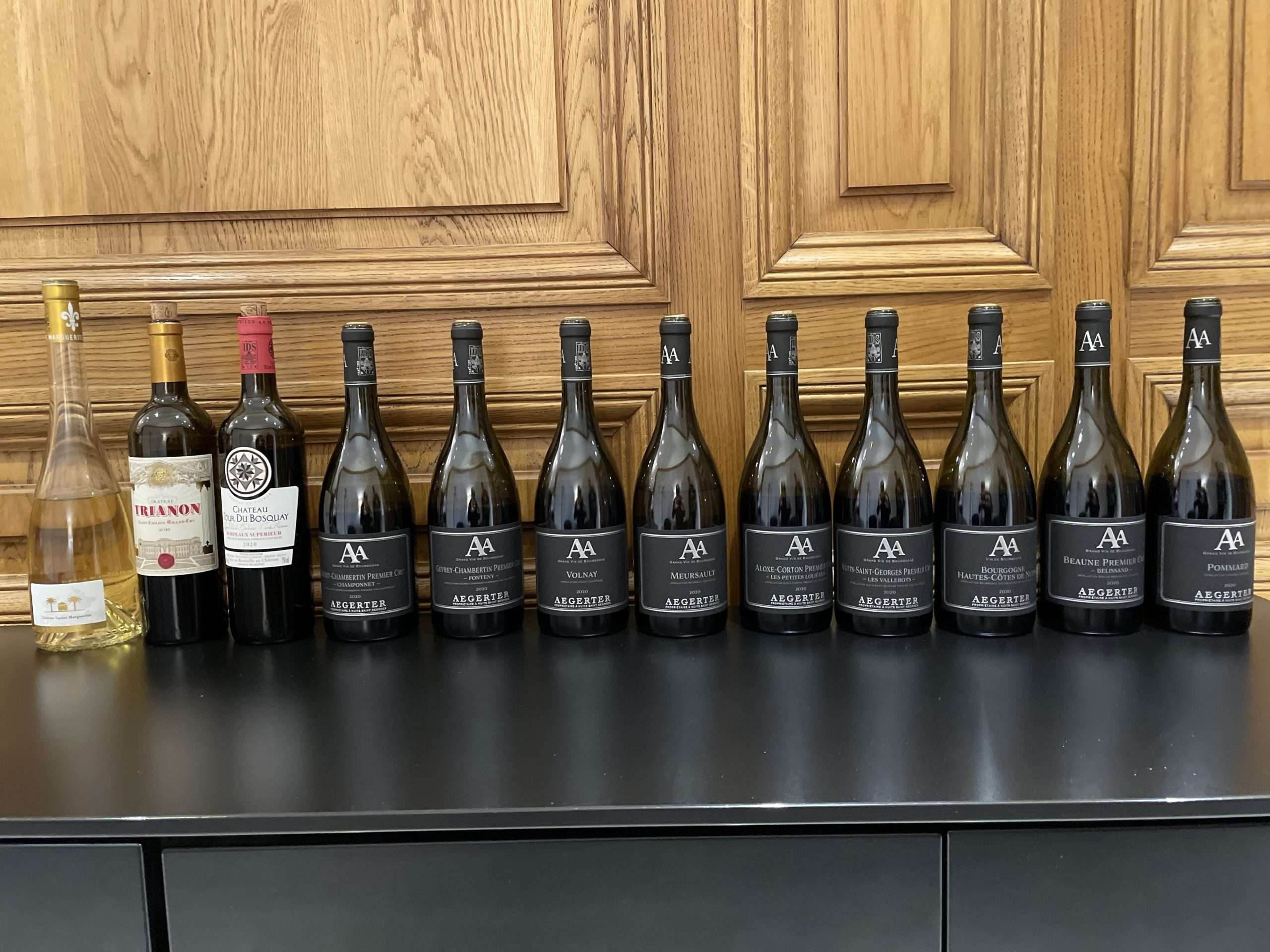
A couple of years ago, I decided that to really get a feel for what is being produced in the kosher wine world, I needed to make a yearly visit to France to taste through as much as I could, as only a percentage of these productions gets exported to the US, and an even smaller number of releases get exported to Israel (and sold at EXORBITANT prices). My friend David Raccah of kosherwinemusings.com has been doing this for years, and he invited me to join him. In November of 2019, I did a week in France gallivanting all around and tasting as much I could in various parts of the country. There was a lot of ground to cover a very short time. Of course, the COVID pandemic struck soon after that trip and basically there was no chance to repeat that trip in 2020. This November in between the Delta and Omicron waves, travel restrictions were mostly lifted for the vaccinated, and David and I were able to meet again in France. This time though, rather than travel around France and potentially expose ourselves to the virus unnecessarily, we decided to spend our time together in Paris exclusively and have as many tastings in Paris as possible, and where it was not possible to have a formal tasting, to have the wines shipped to us from various vendors. We ended up with three formal tastings with winemakers/producers; with one producer shipping us the wines; and buying the rest of what we wanted to taste either locally in France and having them shipped to the hotel; or purchasing them in Israel and me schlepping them with me to Paris (yes absurdly, there are French wines available in Israel that are NOT widely available in France). I landed late Sunday night and got situated in the hotel and rested up. David arrived on Monday morning and after dropping his stuff in the hotel we went directly to our first tasting – IDS.
IDS is one of the four big French kosher producers – Royal, Taieb, and Bokobsa being the others. While they are smaller in terms of bottles produced than any of the companies mentioned above, the only company that is really competition in terms of high-end portfolios is Royal. IDS does NOT try to satisfy every segment of the market. Usually they pretty much ignore all but the highest end – and, for the most apart, their wines are always excellent – even when they do dip their toes into the mid and lower range spaces. Perhaps the most famous properties they work with are Château Smith Haut Lafitte, Château Lafon Rochet, and Château Valandraud in Bordeaux and Château Sainte-Marguerite in Provence. Starting with the 2018 vintage, IDS started producing Burgundies with Maison Jean-Luc & Paul Aegerter, a relatively small producer and negociant in Burgundy. In 2018, they produced three red Burgundies at the Villages level and competed with the best kosher Burgundies that had been produced until then. In 2019, they produced only two Burgundies – this time a Premier Cru and a Grand Cru. While there were only two for the 2019 vintage, they are the finest kosher red Burgundies produced to date . With the 2020 vintage, IDS produced nine kosher Burgundies, eight of them reds (5 Premier Cru and 3 Villages) and, for the first time, a white. Based on the performance of the previous vintages, I was super-excited going into this tasting, and I was not disappointed. David and I arrived and met with Benjamin Uzan of IDS at their beautiful offices in the middle of Paris. Paris always blows me away. It’s got that beautiful European quaint feeling even in the middle of the city. IDS’s offices exemplify that. Really nice and old school feeling. In addition to the Burgundies, we tasted a white from Château Sainte-Marguerite and two red Bordeaux wines.
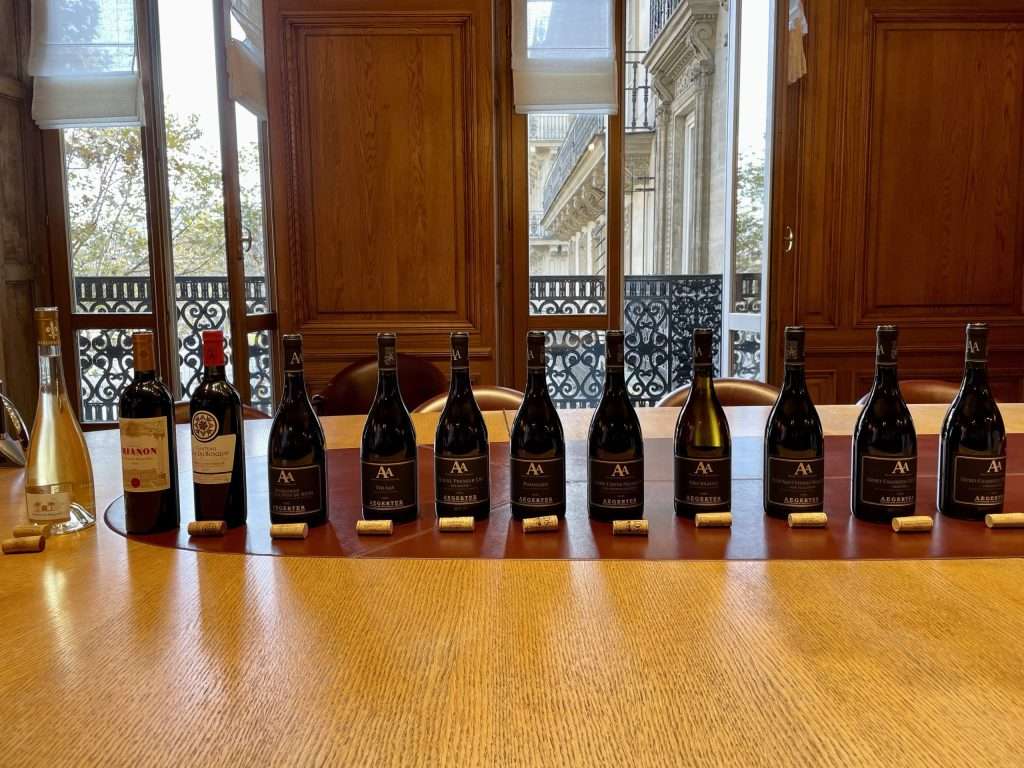
All in all, the tasting was excellent, as my notes below will show, and included one of the best whites I have ever had. There was a single issue though that ran through a number of the red Burgundies. It is something that David and I discussed at length both during and after the tasting. The issue (if you can call it that, as you will see in a second) is Volatile Acidity. I vacillated between whether or not to include a lengthy explanation of what it is and how it impacts wine and flavor. I know David did the same. In the end, in his excellent post he has already referenced the article that I would have, which is from Wine Spectator. I encourage you (as always) to read David’s notes in addition to mine as well as the WS article, if you are interested. But as David already did that, there really is no reason for me to rehash all of that. The only point that I will mention here is that sensitivity to Volatile Acidity varies by person. Under .6g per liter is undetectable by everyone, and above .9g per liter is detectable by everyone. Everything in between varies by person. Another factor in whether or not VA is detectable is the wine style it is found in. There are higher levels of VA in Botrytized wines for instance, yet it is rarely detectable on the palate. As there is a legal limit to how much VA is allowed in wines, all wines test for VA in the lab. Without knowing what the actual levels of VA are in these wines, it is pure speculation. My guess though is that it is somewhere in that grey area of between .6 and .9 grams per liter – likely on the lower side. It just happens that both David and I are sensitive to VA, and it is something that was clear on the palate. But we are likely in the minority here. As a matter of fact, these bottles were brought to an RCC dinner that night, and of the other 20+ people sitting around the table only two other people noticed anything different about these wines. On top of that, as some of the flavors VA produces are not necessarily problematic in terms of Pinot Noir, it is likely that most people will love these wines, as they are very well-made, and I really liked most of them them even WITH the VA. Having said all of that, take my notes and scores with a grain of salt whenever VA is mentioned as you may or may not get the same flavors on the palate that I did.
With that out of the way – here are my notes:
Share This:
Like This:
Aegerter, Aloxe-Corton, Beaune, Belissand, Bordeaux Superieur, Bourgogne, Burgundy, Champonnet, Chateau Sainte Marguerite, Chateau Tour du Bosquay, Chateau Trianon, Cotes de Provence, Cuvee Symphonie Blanc, Domaine Aegerter, Fonteny, Gevrey Chambertin, Hautes Cotes De Nuits, IDS, Jean Luc & Paul Aegerter, Jean Luc et Paul Aegerter, Les Petites Lolieres, Maison Jean-Luc & Paul Aegerter, Meursault, Nuits-Saint-Georges, Pommard, Premier Cru, Saint-Emilion Grand Cru, Volnay