
Note – This article was written prior to the recent war with Iran – which even further delayed its release. Of course, with the war’s successful resolution and a return to normalcy, it remains as relevant as ever – and hopefully with a return of regular flights into Israel, we will see an increase in wine tourism!
Since October 7th, it has been difficult to write about wine in general. At first it seemed totally frivolous – and I really didn’t write for months. Additionally, Israeli wineries were having a super tough time – in the North due to the fact that MANY wineries were in firing range from Lebanon – and to a somewhat lesser extent in the south (missile range of the Hamas terrorists was shorter that the Hezbollah terrorists – and there are simply far fewer wineries in the south than in the North). But no matter where they were located, wineries were going through a tough time. In the north, just completing the vinification of the ’23 vintage was an issue. And ’24 was no easier, as there the harvest took place during a peak in hostilities. Let’s not even talk about the lack of tourism during this period – not just external (due to a lack of flights) – but regular internal Israeli wine tourism all but ceased. It was simply too dangerous.
For me, as I usually contain reviews of the wines I taste – and NEVER wanting to be not truthful, I decided it was simply better to not post reviews about specific bottles – outside of the context of perhaps a specific occasion (an RCC – or picking wines for the Seder – where for the most part (especially in the case of the seder), I am writing about wines that I have selected, and therefore the notes would be positive. I certainly did not want to be put in the position of giving a critique of Israeli wines – not now. They have enough on their collective plates – and who am I to open my mouth. For me, it was simply safer to avoid the topic altogether and generally send out supportive posts about buying Israeli wine.
But, in November of 2024, a ceasefire in the North was finally reached – and that meant a return to normalcy – to a degree – for the wineries up north. While there are still far too few flights due to the Houthi problem – internal wine tourism has certainly picked up, though slowly. I felt that, rather than simply tasting through a bunch of wines and providing notes, it would be nice to actually support local tourism and write a few posts about the wineries themselves – with a spotlight on how they dealt with the current situation. Within this context of wine education, I feel no qualms about including wines that I think highlight what makes the winery special !
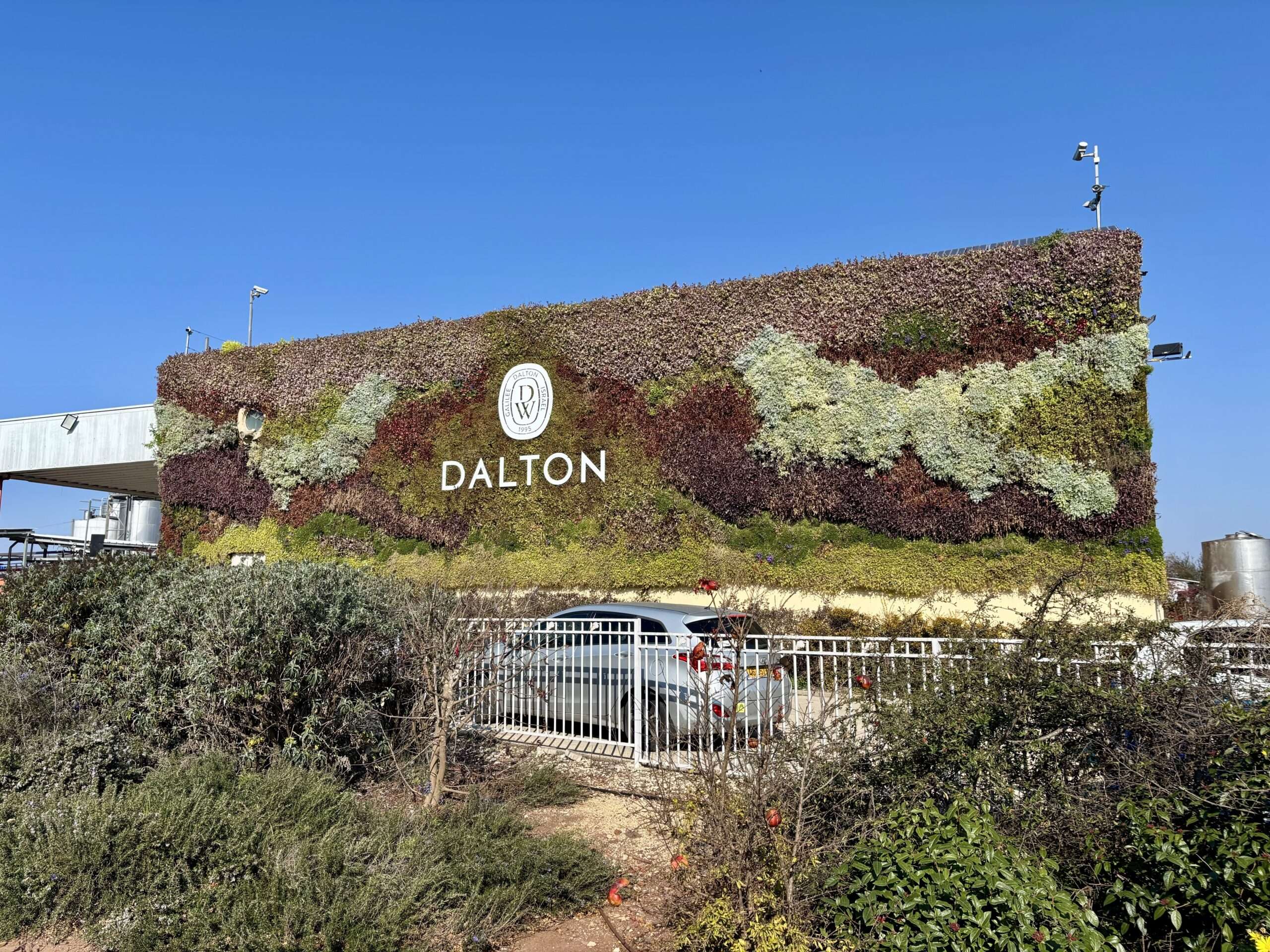
First on my list was Dalton Winery. Throughout the conflict, I found owner Alex Haruni’s posts (mostly on LinkedIn) downright inspiring. They was a mix of resiliency, dedication, and urgency that really shined a light on what people and businesses in the north were experiencing on a day-to-day basis just a stones through from the daily bombardments across the border with Lebanon.
Just a brief history before we go on – especially as Dalton is celebrating their 30th anniversary this year! Dalton Winery, located in the heart of the Upper Galil in Northern Israel, is a celebrated name in the world of wine. Founded in 1995 by the Haruni family, the winery has grown from humble beginnings into a beacon of quality and innovation in Israeli winemaking. Situated at an altitude of about 800 meters above sea level, the unique terroir of the region is characterized by its rich volcanic soil and a climate that balances warm days and cool nights.. Over the years, Dalton Winery has gained a reputation for producing a diverse range of premium wines, including rich reds, elegant whites, and refreshing rosés, each reflecting the distinctive characteristics of the Galil region.
Alex Haruni, the owner of Dalton Winery, has been the driving force behind its success. With a deep passion for wine and a commitment to excellence, Alex has transformed Dalton into a leading name in the Israeli wine industry. His vision extends beyond mere winemaking; he has fostered a culture of innovation, sustainability, and community involvement. It is quite evident upon visiting that the Harunis have invested a great deal in keeping the winery up to date – across the board – from the winemaking vessels to the bottling and boxing.
Guy Eshel, the talented winemaker at Dalton Winery, brings a wealth of knowledge and expertise to the team. With a background in viticulture and oenology, and his attention to detail, Guy has been able to create wines that are both expressive and balanced.
Dalton has embraced modern winemaking techniques while staying true to traditional methods. The result is a commercial winery that aims to service the Israeli market and the kosher market aboard with quality professionally made wines across most standard price points. This is no small feat. What I love about Dalton is that it was designed to be a commercial winery from the ground up. Many wineries pursue some upper tier wines and their lower tier wines are an afterthought. Other wineries grow into the upper end without having planned for it. The Harunis have set these goals for Dalton from the outset, and I believe this is a key to their success.
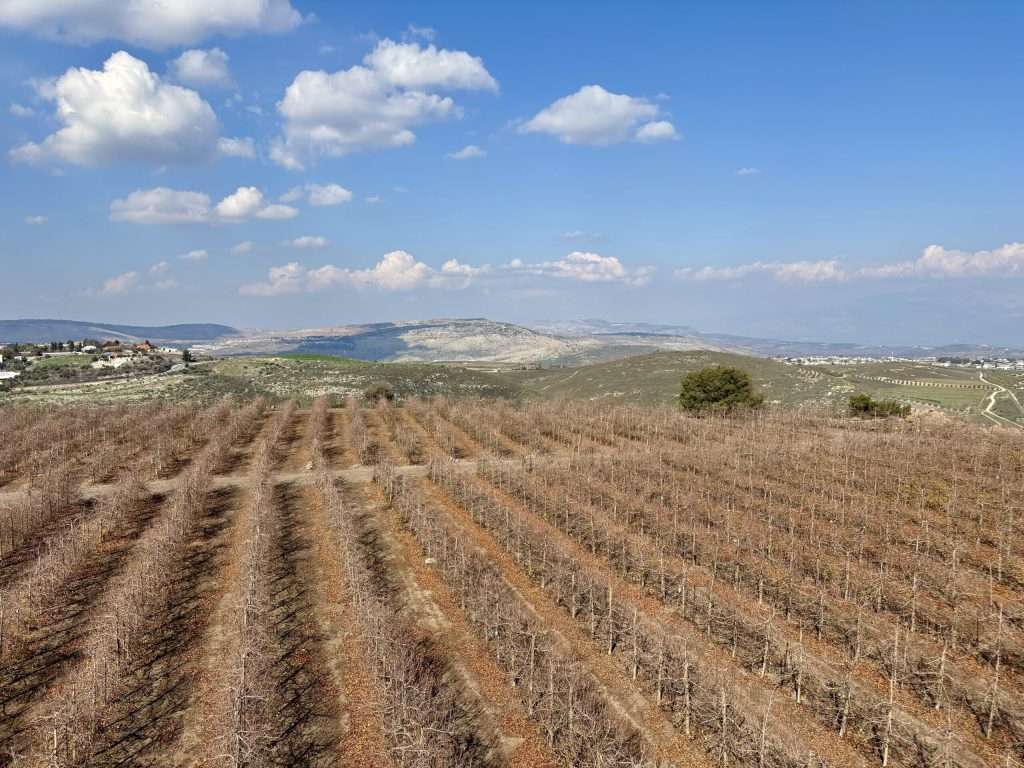
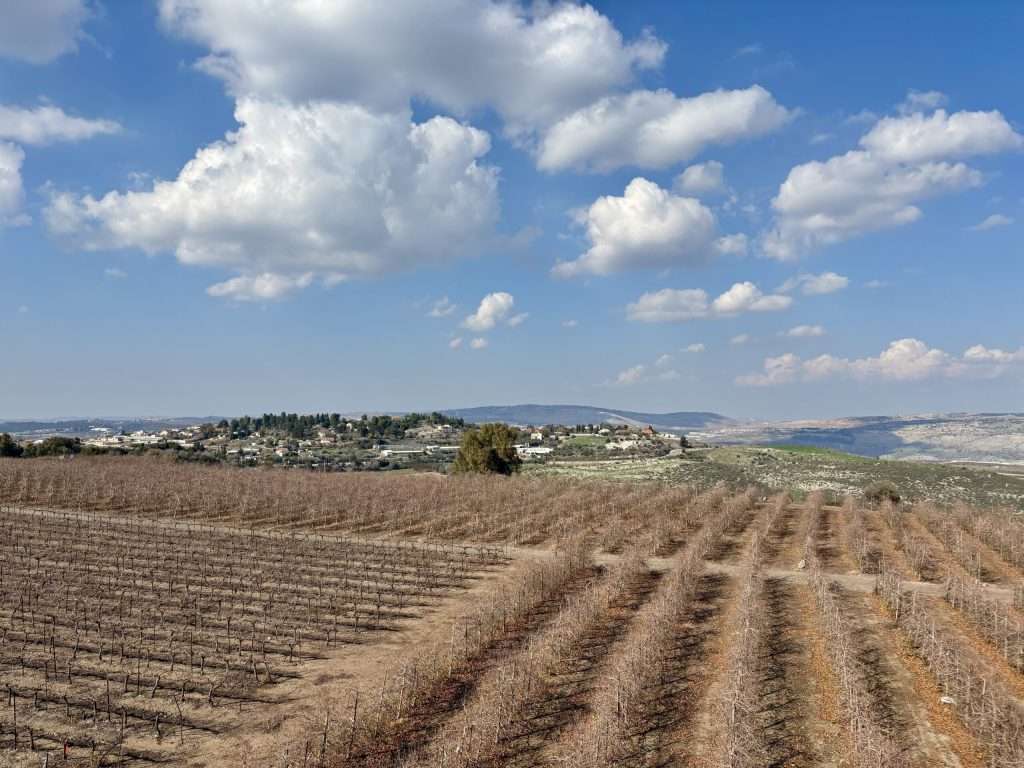
Dalton Winery is located in the northern moshav of Dalton, and is set in the beautiful green, mountainous country of the Upper Galil – five kilometers from the Lebanese border. This location, while picturesque, has significant implications for the winery, especially during times of conflict, due to its proximity to Lebanon. The tense border area can be clearly seen from atop the Dalton Winery’s fermentation vats. Seeing the proximity up-close was eye opening.
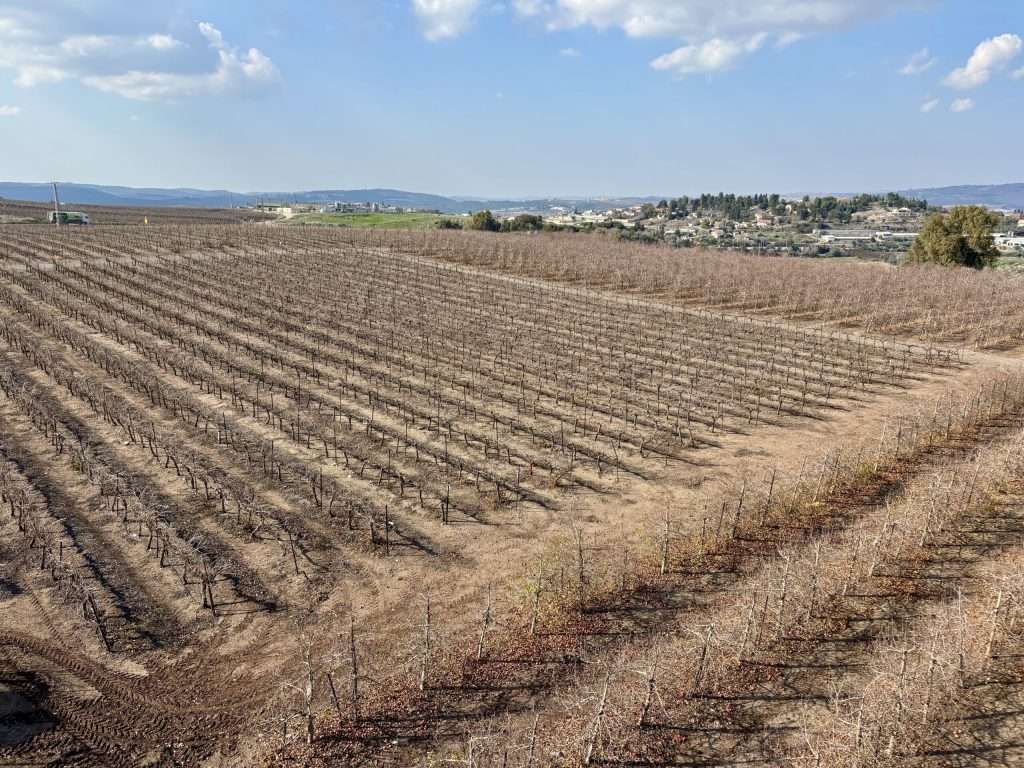
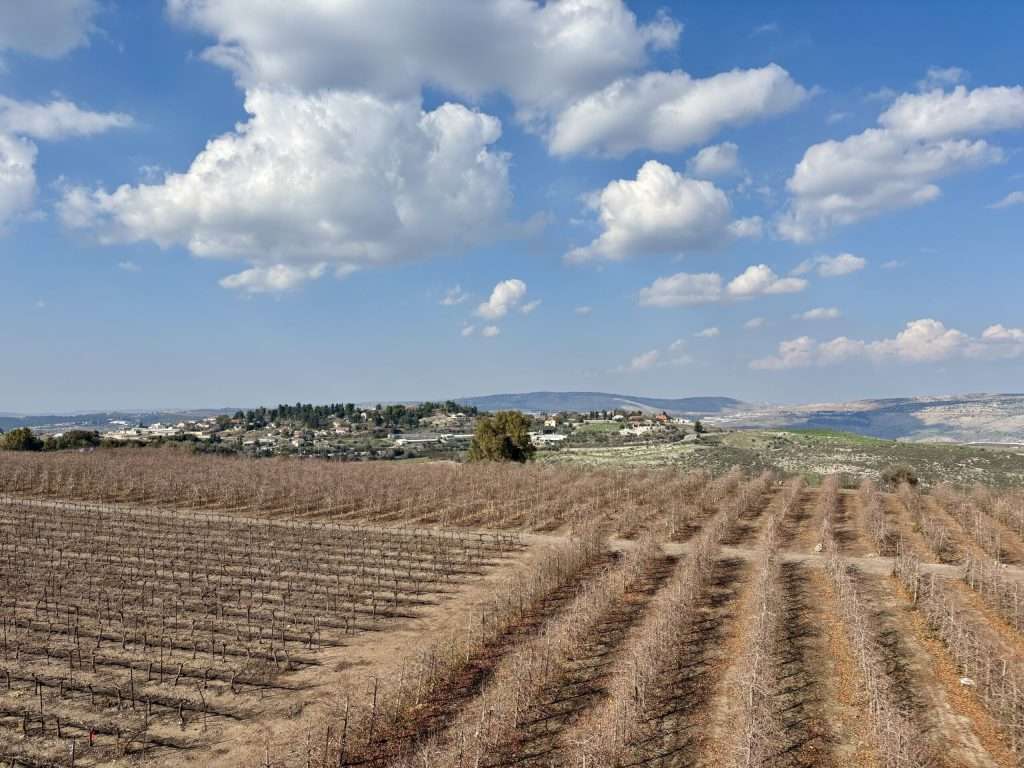
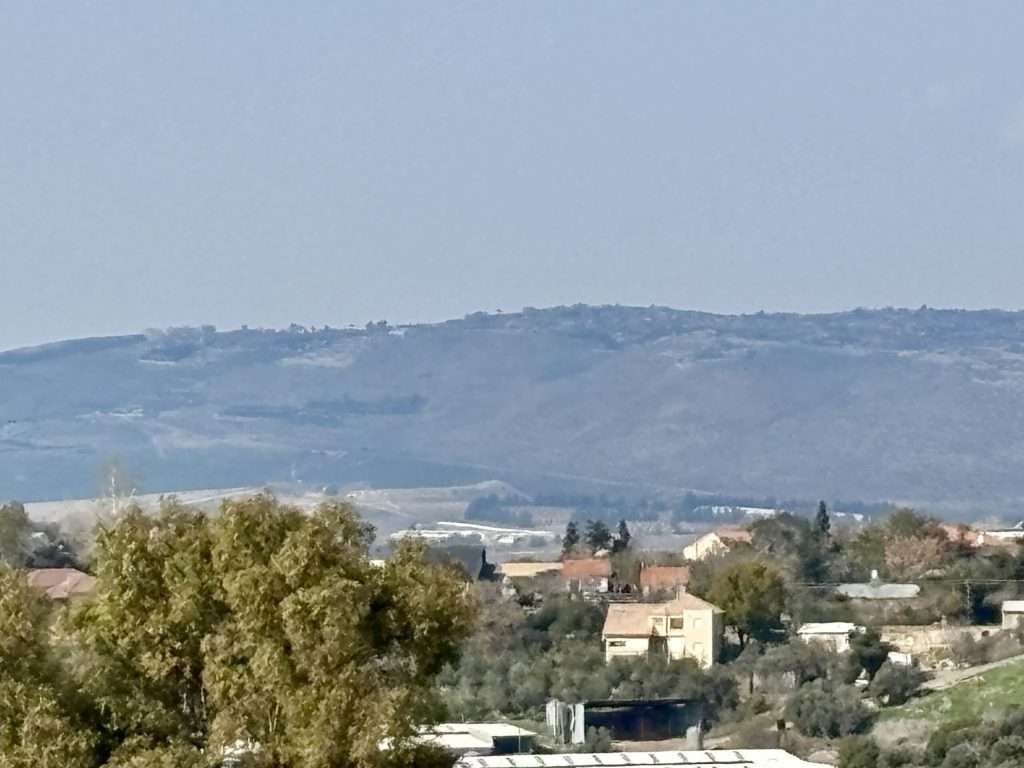
During the worst of the conflict, there were obvious manpower shortages and challenges in working in the fields. But luckily both the 2023 & 2024 vintages were able to be produced. The 2023 vintage was already harvested when the war broke out, so vinification and the rest of production was tricky, but successful. With 2024, the opposite problem existed in that harvest was impacted – though most of harvest was completed before things really heated up in October of ’24. As a ceasefire was declared in in late November ’24, most of the production process was thankfully less eventful. Hopefully the quiet will continue into the ’25 vintage as well.
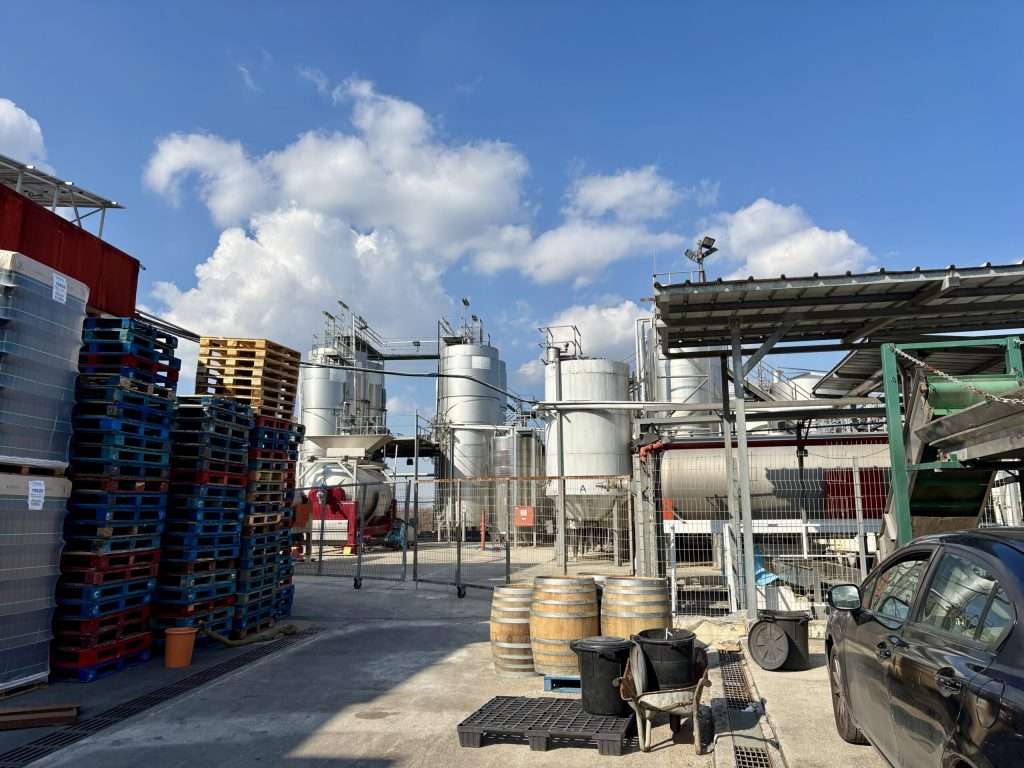
While visiting, besides climbing the fermentation tanks, we also toured through the rest of the facility. As I mentioned above, the Harunis have really invested in both the winemaking equipment – including wonderful massive imported clay Amphorae as well as the bottling and boxing. There is a real care about quality all the way around.


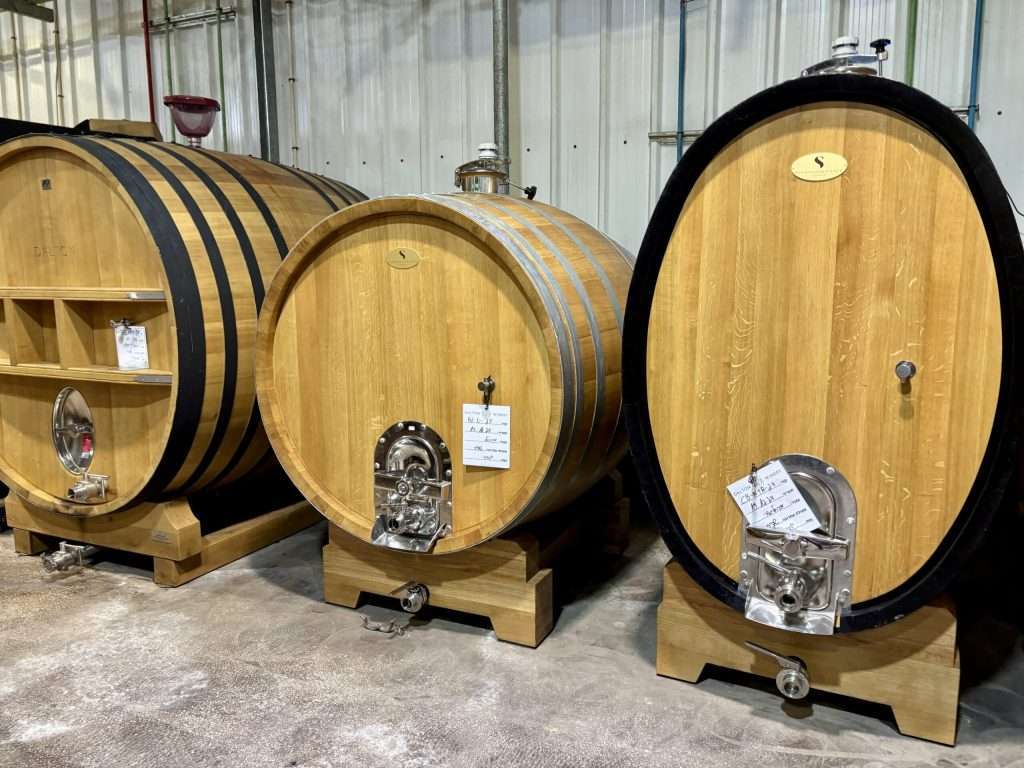

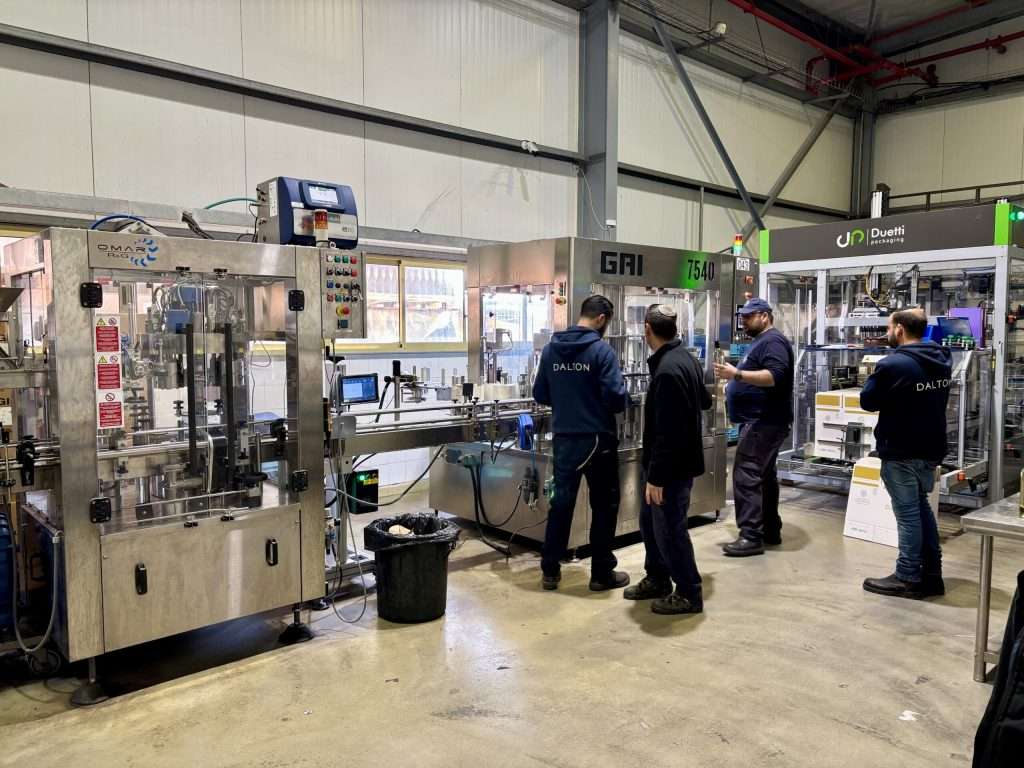
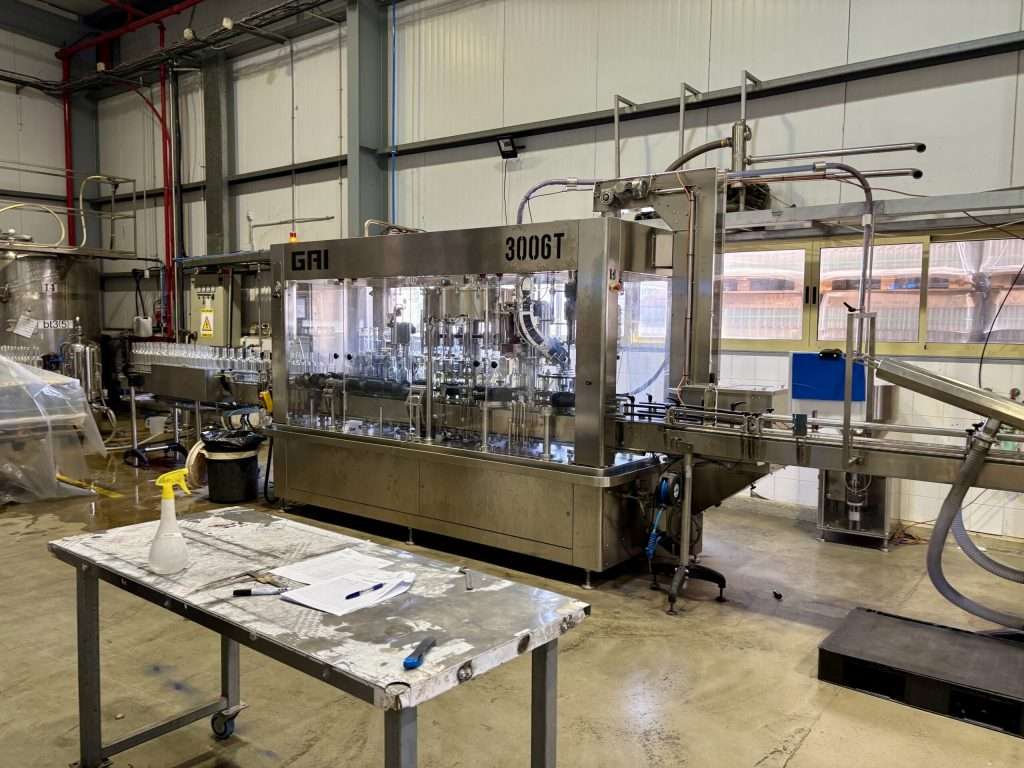
Guy and Alex shared a number of wines while I was there, and I took notes on all of them. Unfortunately after writing this article the first time, the file got corrupted and I no longer had my original notes. Luckily I shared my notes or at least my impressions on individual wines with various people (people often ask about individual wines – and I always try to answer)- and so I do have most of the wines covered, just not ALL ((I am fully missing notes on the last 2 wines we tasted) – and in some cases without as much detail as I would usually provide. So my apologies to the readers and certainly to the folks at Dalton. Here are the notes:
Leave a Reply