When I last left off on the story of my trip to Israel and Europe, I had just ended with the Flam Winery, my last post on the Israeli wineries that I visited that trip. Well, after that Friday, we had the shabbos post, and then another tasting (those tastings were not very successful), after that I made my way to the airport for a trip to France.
When I arrived in France I had the epic tasting of all of the Royal French wines, minus one 2015 Rothschild Haut Medoc. The next day, I get on a train and I head towards Alsace, to meet up with Nathan Grandjean and JK. JK was in Alsace for some wedding, and I was coming originally to have a tasting with Nathan on wines I had missed so far. However, the best part of those horrible tastings in Jerusalem, this one and this one, were the Rieslings. In the first one, the epic Riesling was brought by AS, and the second tasting’s Riesling I brought to the party.
I have already posted before about my love for Riesling when we did a horizontal of what we could find. However, up until that first tasting in Jerusalem, there were VERY few humans that had tasted the epic Von Hovel Rieslings.
Gefen Hashalom
The story behind this kosher German wine reimagination – is a group of four people and three wineries – called Gefen Hashalom (“Vine of Peace”). It started with Dr. Mark Indig and Benz Botmann who were interested in making kosher German wines. They approached Nik Weis – a sister winery to Flam Winery of Israel, as I explained here, during a twin city wine event, and the outcome was the 2014 Nik Weis Riesling, that all of us raved about and wrote about already last year. However, there was another partner – Max von Kunow, the owner of the Weingut von Hövel in Oberemmel in the Saar. that made kosher Rieslings as well in 2014 and 2015.
The shocking part of this kosher reimagination of wines in Germany was that the wines were made by top-notch wineries of Mosel. The wineries (Nik Weis and Von Hovel) are world-class wineries in Mosel and for the partnership to have been created with these extraordinary wineries is the true blessing of Gefen Hashalom, IMHO.
There is a third winery that is part of the partnership, Hans Wirsching, which made the very nice Silvaner.
Between these three wineries are hundreds of years and multiple generations upon generations of history in winemaking within their own families and that history is evident when you taste the Rieslings – they are expressive and truly unique.
The three German wineries have sister wineries in Israel. As explained previously, Flam is Nik Weis’s Sister winery, Bazelet Hagolan is Von Hovel’s sister winery, and Weingut Hans Wirsching’s sister/twin winery is Kishor Winery!
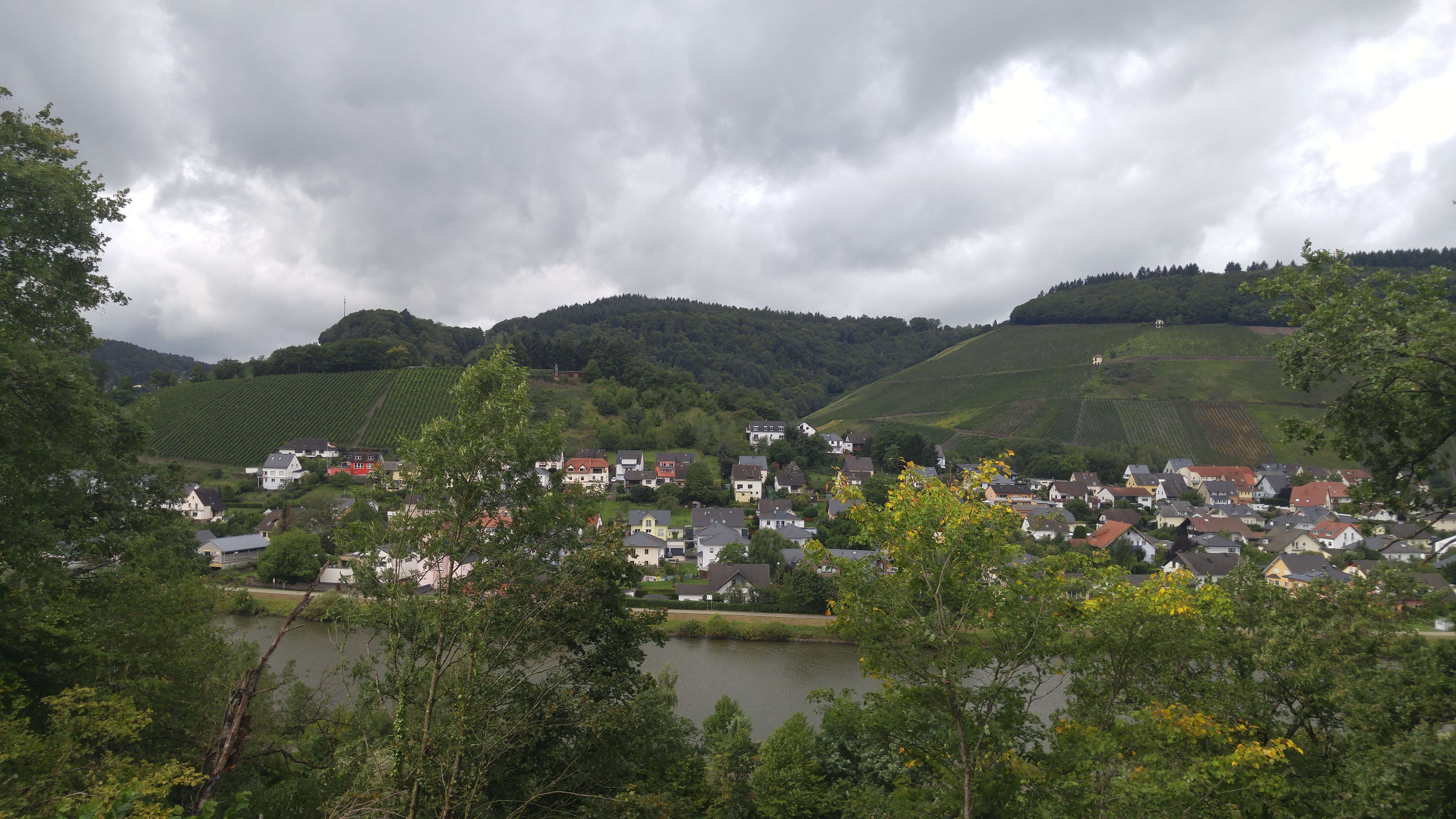
Also, another very fascinating aspect is that both Nik Weis and Von Hovel made kosher wines from the Saar region. Now, Von Hovel’s vineyards are indeed all in the Saar region, but Nik Weis has regions in Mosel as well, but so far the three vintages we have had (2014, 2015, and 2016) they have all been sourced from Saar, even the new 2016 vintage that used a more expensive vineyard, Ockfener Bockstein, was still from the Saar wine region.
The Saar region, which as I will explain below is freezing cold, and for the wines to attain their fruit and acidity requires nerves of steel, deep prayer, and sheer endless hope. The prayers are normally rewarded with wines that are extremely low in alcohol and high in acidity but are picked as late as November at times, if that is possible, or sometimes it never reaches peak ripeness.
This content is for members only. Please Login or Subscribe Here to continue reading!
Leave a Reply