
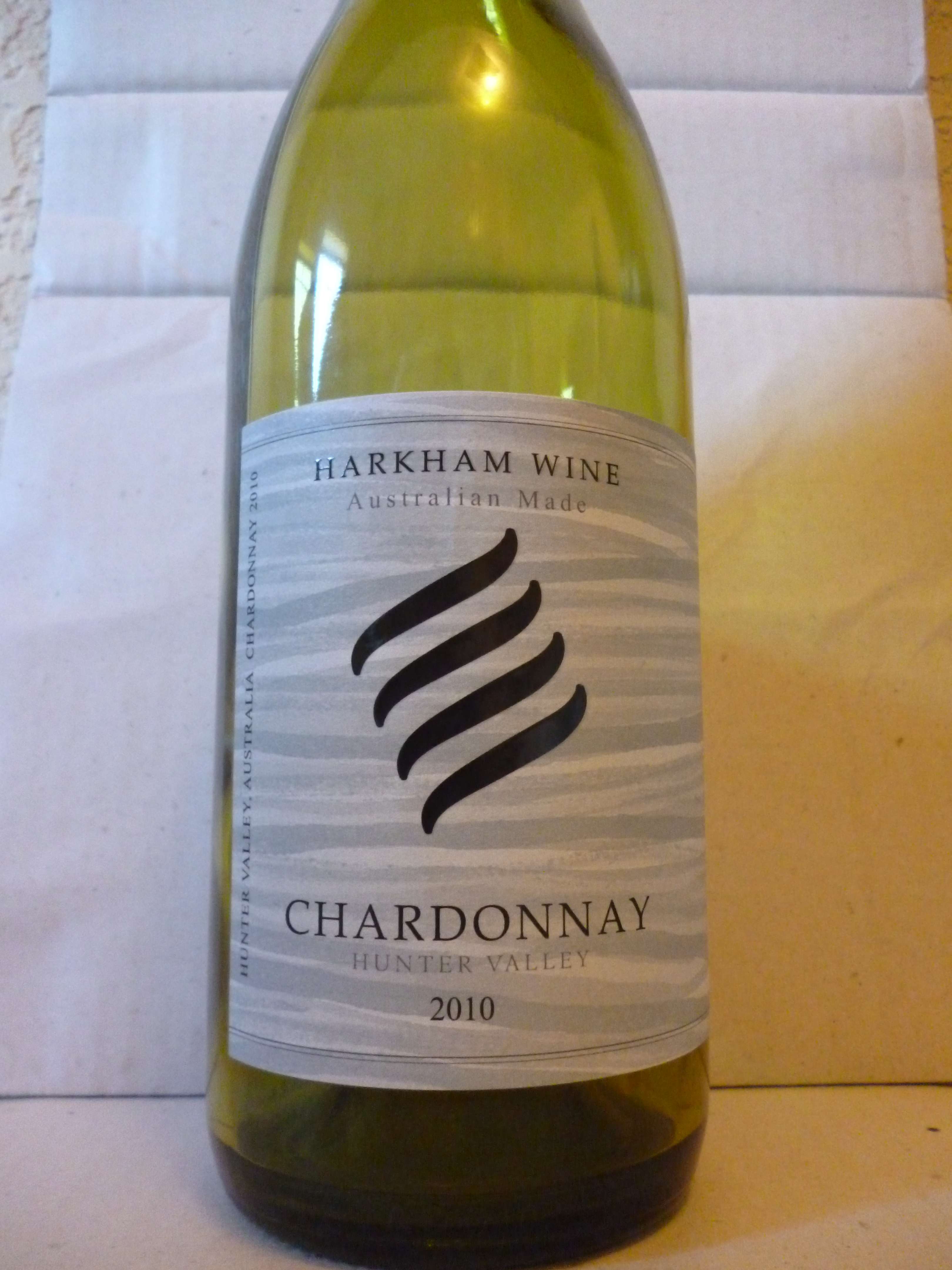
 This past week I enjoyed my second Chardonnay in a row, along with a previously discussed Chardonnay as well. Chardonnay is one of those wines that can elicit reactions from people which is not congruent with their normal demeanor. Normally calm people may well enter into a tirade or strongly state – I do not drink Chardonnay! Or I do not drink white wine! I see this mostly on my Shabbos table and with friends when I am a guest at their tables. It makes my life very difficult, as I am very much a white wine lover.
The production of Chardonnay dates back to the time of the Romans, who brought Gouais Blanc from the Balkans, and over time crossed with the more aristocratic Pinot grape. The hybrid evolved, and the weaker clones died off, while many of the crosses showed hybrid vigor, and were selected for further propagation. With so much history behind it, one would think Chardonnay would have been a best seller around the world. Truth be told, in the US it was almost unknown, as France stood strong to its habit of labeling their wines with the bottle’s Chateau or origin rather than its varietal. However, soon after the French lost to the humble wineries of Napa in the 1976 blind tasting event conducted by French judges known as the ‘Judgment of Paris’, the Chardonnay grape quickly became a huge seller.
The sad thing is that success sometimes goes to one’s head, and leads to rather unfortunate outcomes. By the 80’s, America and the world was almost in a “Chardonnay-craze”, driving wineries around the world to rip up perfectly good vineyards to plant Chardonnay. Chardonnay quickly became the drink of socialites in the early 90’s, but just as Chardonnay was picking up steam, almost overnight it lost all of its luster. The market was drinking more red wine, and there was a backlash against heavy, oaky, New World Chardonnays in favor of lighter wines such as Pinot Grigio. There was a new fashion, “ABC” – Anything But Chardonnay, identified by Frank Prial in 1995. Oz Clarke described a view of Chardonnay as “…the ruthless coloniser and destroyer of the world’s vineyards, and the world’s palates”. The criticism was based upon the habit of wine makers to pull out or give up on local varieties in order to plant more Chardonnay, which offered potentially more income but lacked the uniqueness and character of local varieties.
Leave a Reply