-

Ya’acov Oryah’s 2022 Releases
Share This:
Like This:
A Spark in Darkness, Alpha Omega, Anthology of Hope, Chardonnay, Light from Darkness, Pinot Noir, Semillon, Skin Macerated, SMLG, SMLV, Valley of the Hunters, Ya'acov Oryah, Yaacov OryahNo comments on Ya’acov Oryah’s 2022 Releases -

The 2022-2023 kosher wine-tasting event season is upon us!
Share This:
Like This:
-

RCC Israel #42 – Kislev 5783
Share This:
Like This:
Alexander Valley, Altitude 412, Barkan, Brut, Cabernet Sauvignon, Carmel, Chardonnay, Chateau Guiraud, Chianti Classico, Covenant, Elviwines, Gamla, Golan Heights Winery, Herenza, Herzog, Kabinett, kayoumi, latour netofa, Netofa, Reserva, Rioja, Rioja Reserva, Riserva, Russian River, Sauternes, Shiraz, Special Reserve, Terra di Seta, Von Hovel -
All That Glitters Is Not Gold
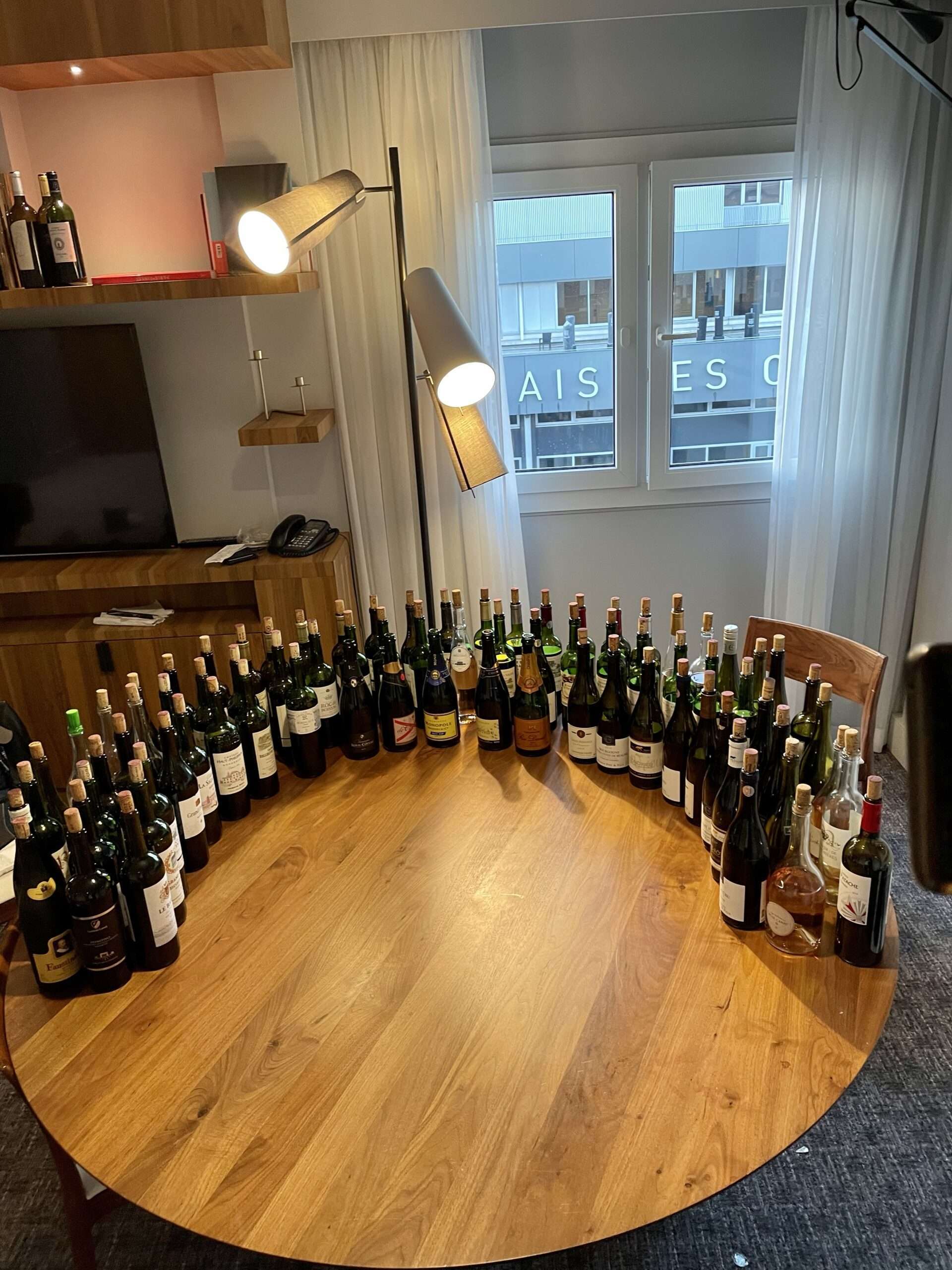
Sometimes I’ll start writing a post and then life being as busy as it is, I’ll put it aside to finish later. For me, that’s usually a bad idea. If it’s a specific-wine related post, by the time I get back to it, I often feel that its time has passed – or that the notes may no longer be accurate. In any event, I realize that I never got to finish my final post from my last trip to France with David Raccah, way back in November 2021. The reason is simple. The other posts about that trip are about visits with winemakers or producers – and those come easier to me, as there is a unifying theme that pulls the post together. This post would have been about all of the wines that we tasted in the hotel each evening or in between visits. The number is staggering. I think we counted over 80 bottles just there. Don’t get too excited. The vast majority are not very good. Of course, as anyone who tastes wines regularly will tell you, when tasting a large number of random bottles, in order to make it fun you are looking for them to either be surprisingly good – or horribly bad. Otherwise, it’s just boring.
In this case, we had a little bit of both. David has previously posted about these wines here for the Taieb wines, and here for the rest – and as they are now a year old, rather than give my specific notes – I’d just like to give my overall impressions of something we repeatedly noticed during this tasting. Next time, I will try to describe the experience in depth as to what it’s like to organize and taste through this number of wines in such a short period of time.
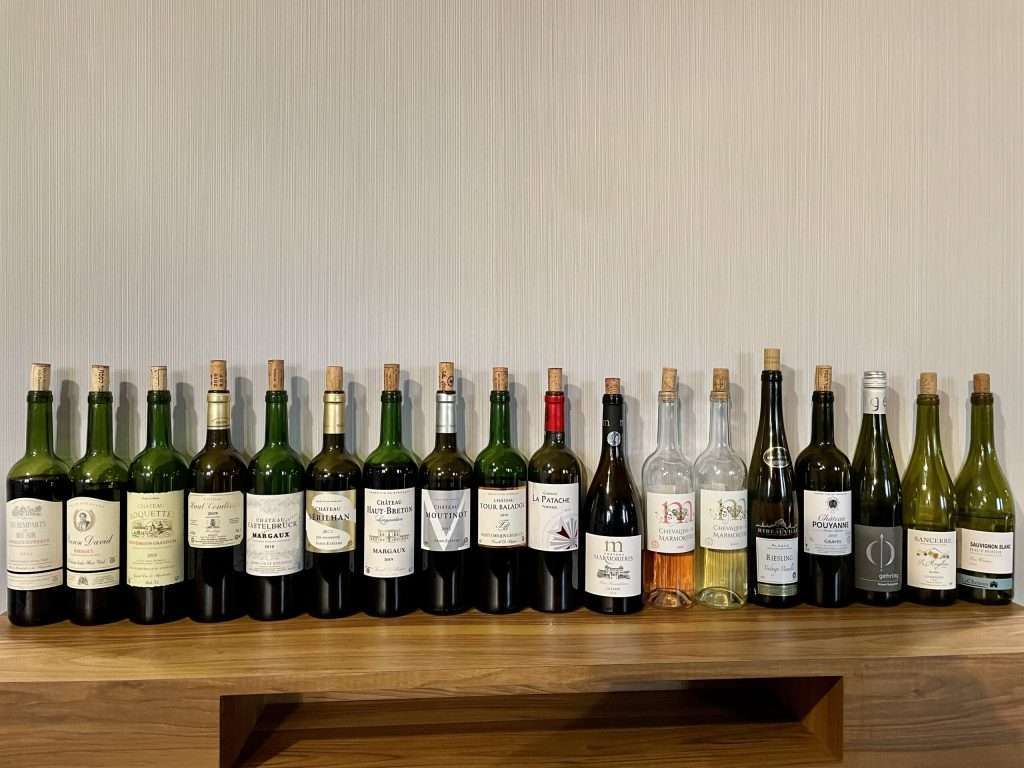
Out of the 80 or so wines we tasted, these were the winners – most from Taieb First, the standout producer from these wines was of course Taieb. We didn’t get to go way up there to visit on that trip – as we were pressed for time (and that’ll likely be the case on the next trip as well), but it is remarkable just how many reasonably priced good wines Taieb puts out each season. It is wonderful. As I have said over and over – I only wish we could see these wines – with proper shipping and storage and still reasonably priced in Israel and the US. I can’t understand why this never seems to come together.
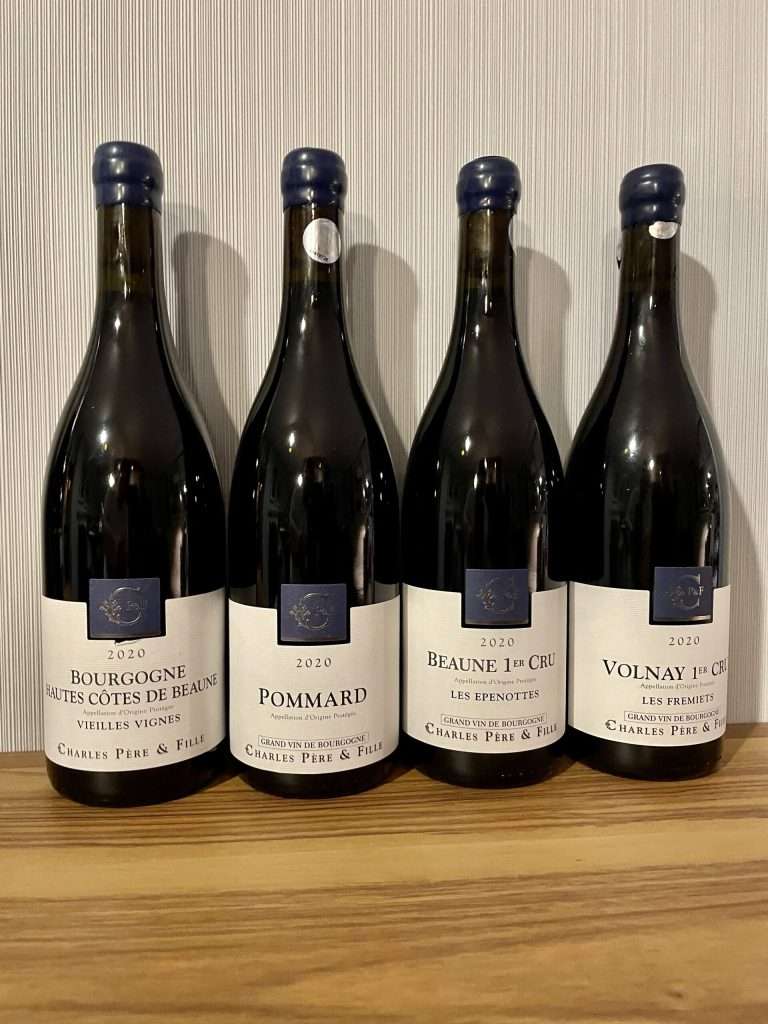
Charles Pere & Fils Burgundys The real story though from that tasting was how many upscale productions there were that were overall failures. The Famille Daubree Corps de Loup Rhone wines and the Charles Pere & Fils Burgundys are great examples. These bottles were EXTREMELY expensive – and IMHO – they suck. Some of the Rhone wines were peach juice. I mean sweet peach juice. Not drinkable for me. Raccah was generous with his scores – my scores across the board were lower on these wines – and quite frankly, that’s rare for us – I am usually the one who is more forgiving.
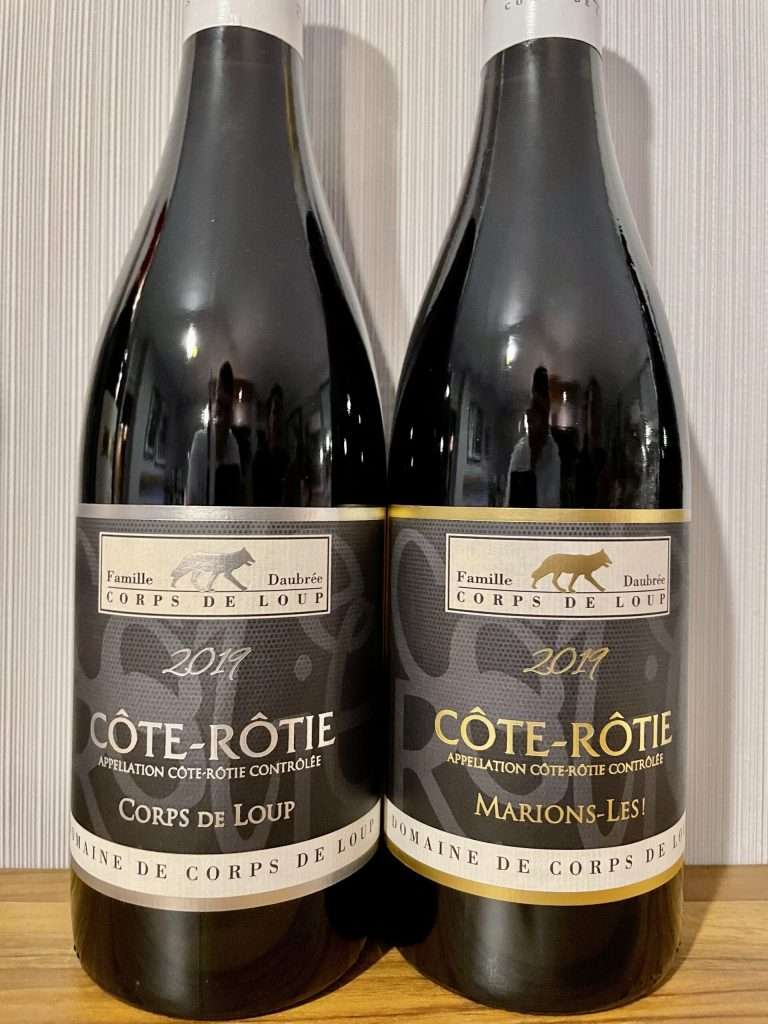
Famille Daubree Corps de Loup Rhone wines And so – it needs to be pointed out – just because there is an expensive wine from a good non-kosher label, it does NOT mean that the kosher version is going to be in-line. This is where Royal and IDS get credit. They work VERY hard at making sure the wines they produce meet the standards of each winery they are working with. A lot of these other productions are one-offs. And the reason they are one offs is because someone gets into their heads that doing a kosher run is not just lucrative, but easy. It isn’t. You need people who know what they are doing. The logistics involved alone are enough to make your head spin. And so, in practice, people making these wines cut corners and the results are in the bottle. Again, as shown above with Taieb, making good kosher French wine consistently AND at reasonable prices is certainly doable. You just need to invest the effort and money of setting up your production properly from the outset – including proper staff and procedure – and then keep it going. And before you answer that IDS, Royal, and Taieb are veterans and some of these producers are just cutting their teeth, what M & M importers has done in Italy proves that if you take things seriously and invest properly from the start – you can consistently produce top tier kosher wines. If not, you end up with these types of wines where you have an impressive bottle, with a seemingly nice pedigree, but some pretty pedestrian juice (at best) inside.
Anyhow, I’ll end my rant now as I am about to board a flight to Paris and start this craziness all over again. I will certainly try to be more prompt with my notes this time around. Happy drinking.
Share This:
Like This:
-
Can Israeli Wine Age?
Share This:
Like This:
-
Another round of QPR (Quality to Price Ratio) Hits and Misses, Eight QPR WINNERS – October 2022
I hope you all had a wonderful Jewish Holiday season! We are now back to the grind and I have a bunch of wines that need to be posted. As usual, my QPR posts are a hodgepodge of wines but thankfully we have some nice QPR (Quality to Price Ratio) wines.
QPR (Quality to Price Ratio) Wines
It has been two months since my last QPR (Quality to Price Ratio) post and many people have been emailing me about some unique wines I have tasted and some lovely wines that are worth writing about.
Thankfully, no matter how much garbage and pain I subject myself to, we are still blessed with quite a few wonderful QPR wines out there. This post includes some nice wines and some OK wines with the usual majority of uninteresting to bad wines.
The story of 2021 Israel whites and roses is very unfortunate, it started with a bang. Matar and a couple of others showed very well. Sadly, after that, every other white and rose wine from Israel was not as impressive. They all show middling work and product, very disappointing indeed. Thankfully, this round has one Israeli WINNER and it is from the 2021 vintage.
We have a nice list of QPR WINNERS:
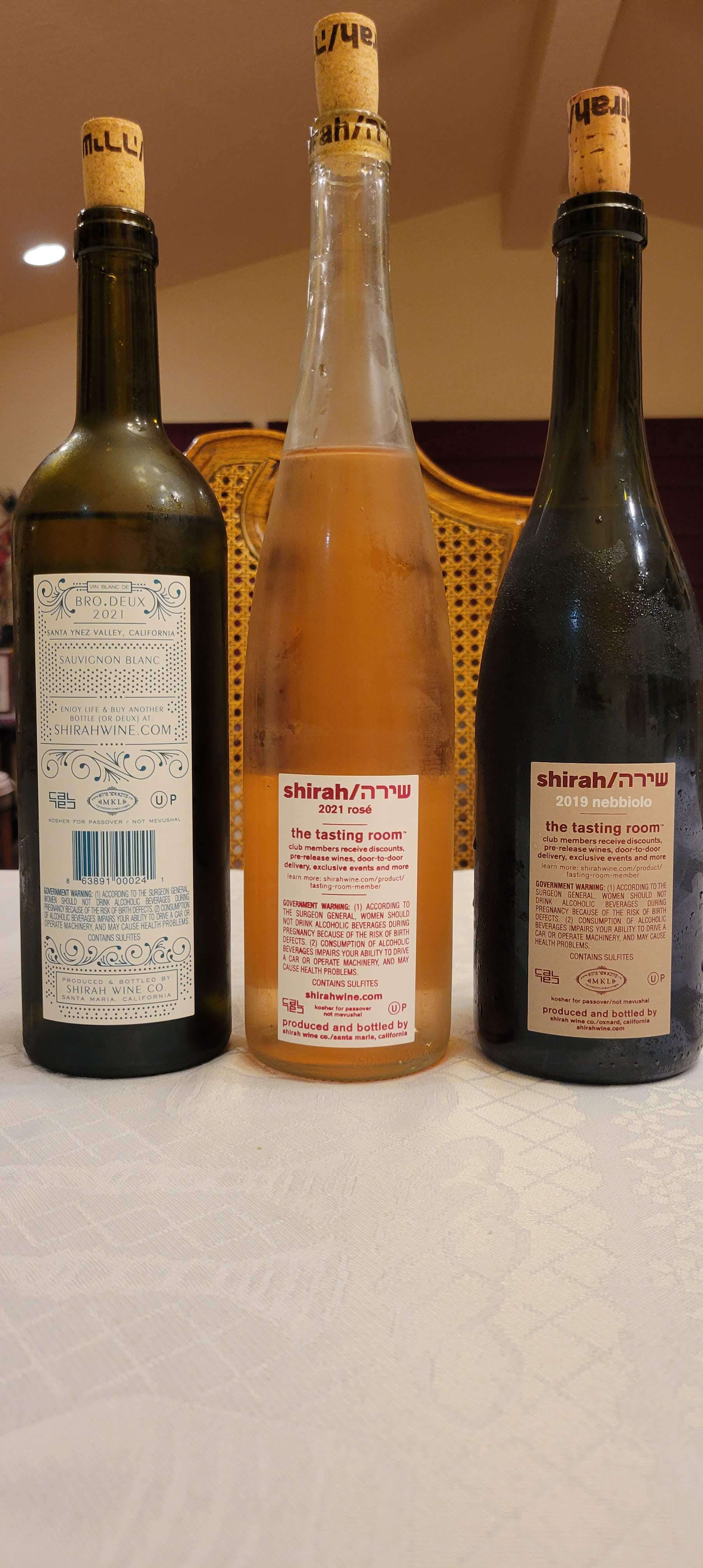
- 2021 Shirah Rose, Central Coast, CA (A nice solid rose)
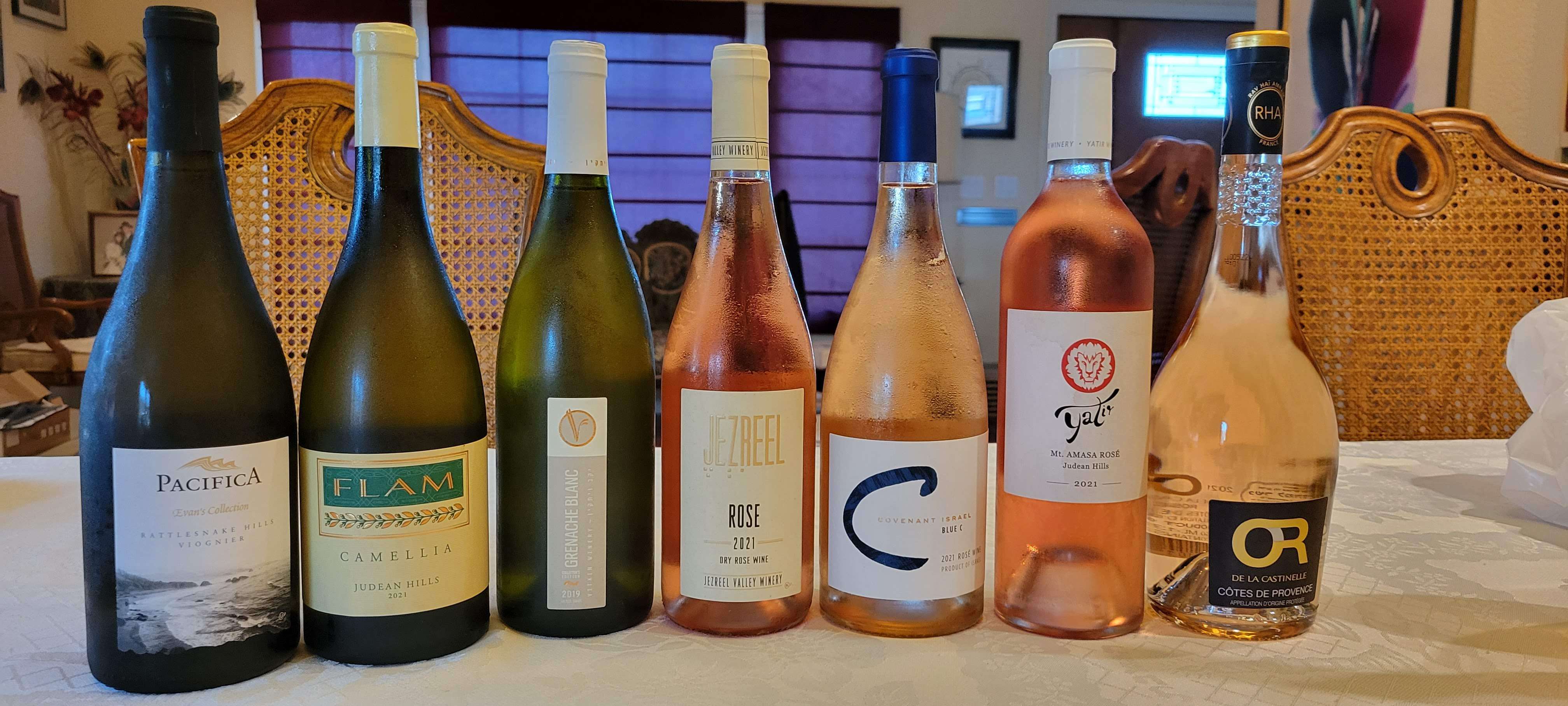
- 2021 Covenant Israel Rose, Blue C, Israel (lovely color and great acidity)
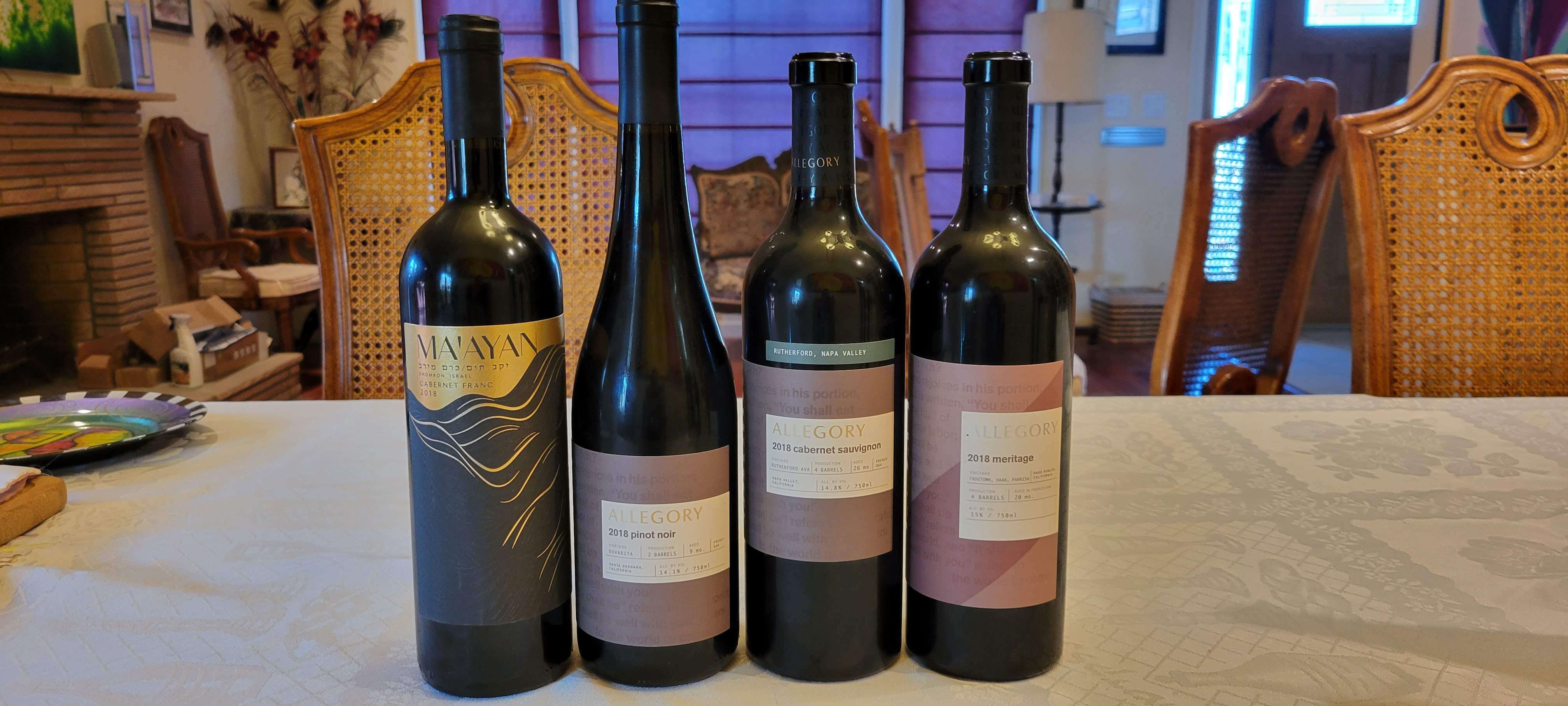
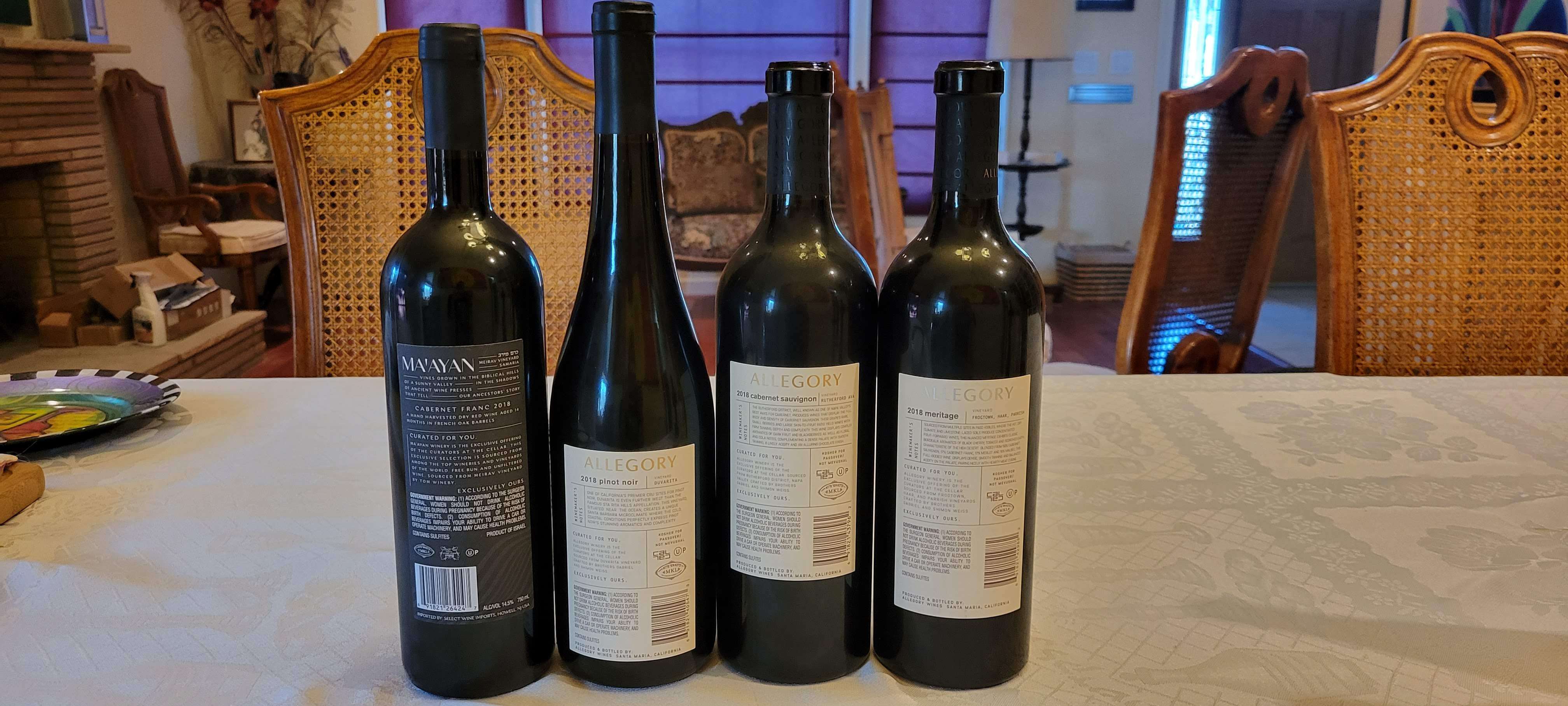
- 2018 Allegory Pinot Noir, Duvarita Vineyard, Santa Barbara, CA (Another nice Pinot from Cali)
- 2020 Chateau Montviel, Pomerol (Perennial winner)
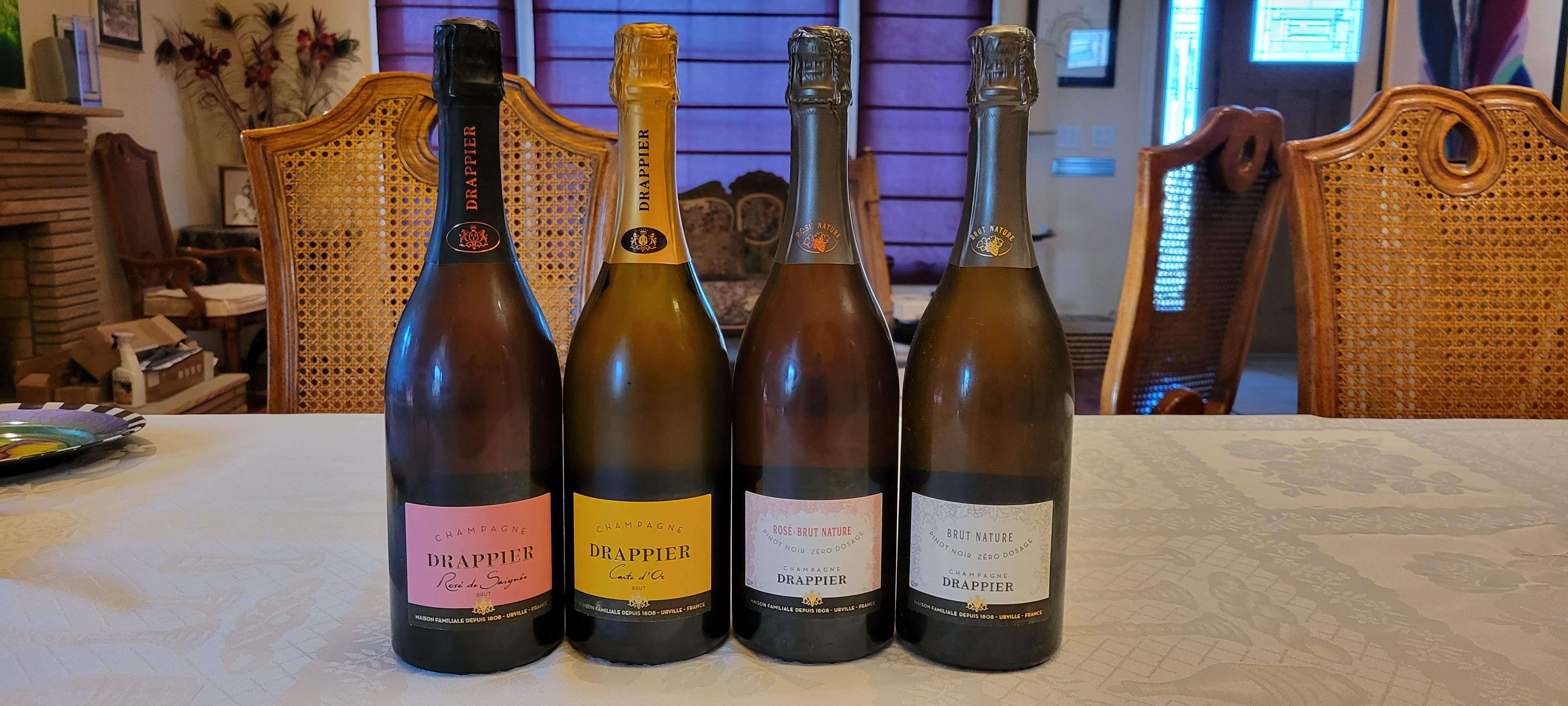
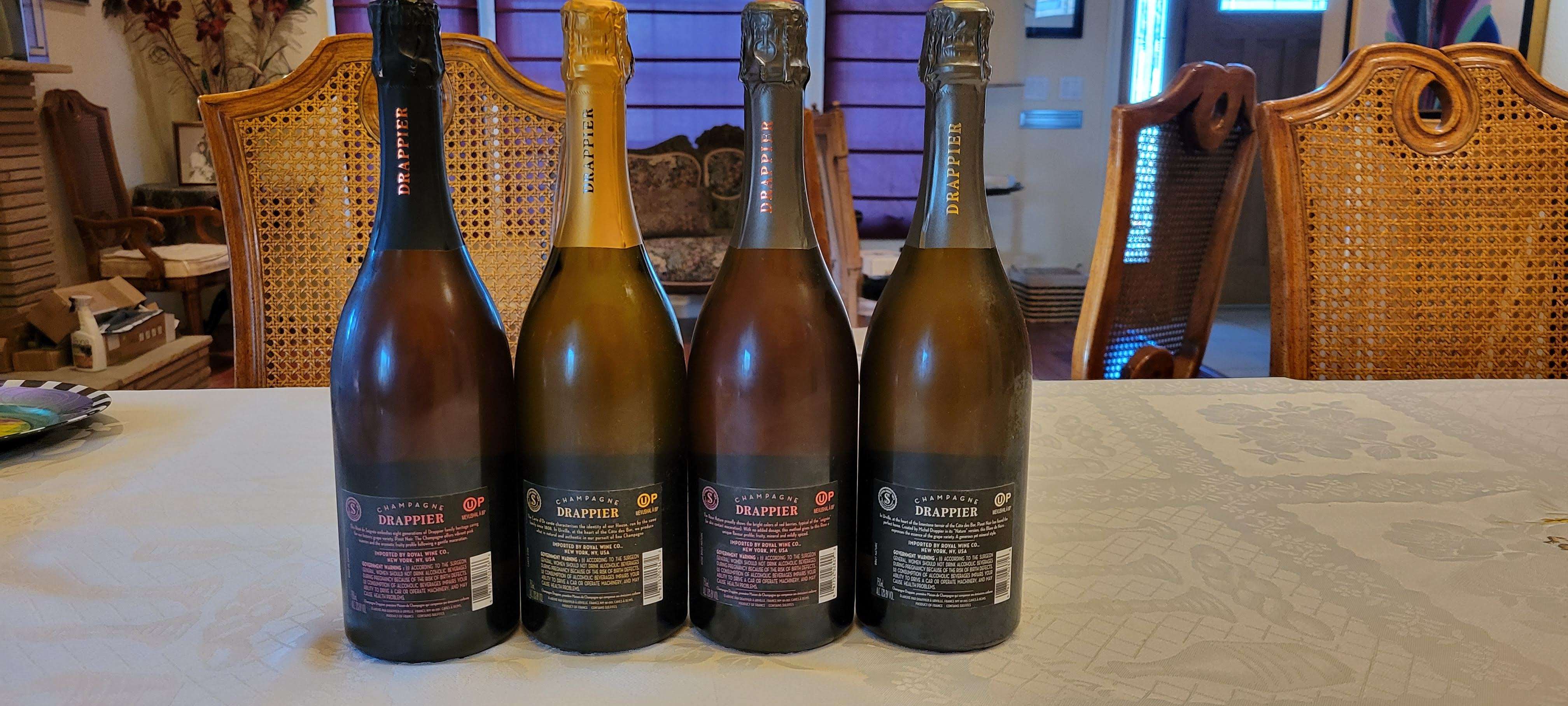
- N.V. Drappier Carte d’Or, Champagne (Best of the 4 Drappier Champagne)
- N.V. Drappier Brut Nature, Zero Dosage, Champagne (Lovely but drink now!)
- 2020 Chateau Piada, Sauternes (Not their best but solid)
- N.V. Drappier Rose de Saignee, Champagne (Nice brut rose, hard to find outside of Yarden)
There were also a few wines that are a slight step behind with a GREAT or GOOD QPR score:
- 2021 Shirah Bro.Deux, Blanc, Santa Ynez Valley, CA (A nice wine just missing a bit)
- 2021 Yatir Mount Amasa Rose, Judean Hills (Not bad)
- 2021 Or de la Castinelle Rose, Cotes de Provence (Another solid vintage for this new rose)
- 2021 Vitkin Israeli Journey, Red, Israel (Simple but nice)
- 2021 Laufer Tokaji Late Harvest, Tokaji – Simple but balanced
- 2018 Allegory Cabernet Sauvignon, Rutherford (too ripe for me but good)
- 2019 Vitkin Grenache Blanc, Galilee (A step back on this vintage sadly)
- 2018 Ma’ayan Cabernet Franc, Shomron (A lovely wine just too Israeli for me)
There are a few wines that got a QPR Score of EVEN – meaning expensive or average:
- 2019 Shirah Nebbiolo, Paso Robles, CA (A bit too ripe for my tastes)
- 2021 Flam Camellia, Judean Hills (Less interesting than previous vintages)
- 2018 Allegory Meritage, Paso Robles, CA (weakest of the Allegory wines)
- 2021 Laufer Tokaji Ice Wine, Tokaji (Not enough acidity to make it work)
The others are essentially either OK wines that are too expensive, duds, or total failures:
- 2021 Jezreel Valley Rose, Sharon (Not very good)
- 2020 Yatir Darom, Red, Israel (Just trying too hard with so little)
- N.V. Drappier Rose, Brut Nature, Champagne (Not a good idea IMHO)
Wine sets that I tasted
This tasting includes three sets of wines.
- Shirah Rose and white wines
- Allegory and Ma’ayan wines (from The Cellar wine store in Lakewood)
- Four newly disgorged Drappier Champagne
- The rest of the assorted wines I tasted over the last 1+ months. I tasted more but I am waiting to post them later.
Some things that made me stand up and take notice (AKA QPR WINNERS):
The largest WINNER group of the sets of wines I had came from the Drappier Champagnes. Three of them were dead on and the fourth, the brut nature rose, is just a bad idea, IMHO.
The other two sets are all made by the Weiss brothers from Shirah wines. The Shirah Wines are made under the Shirah brand and the Allegory wines are Cali wines made for the Cellar wine store in Lakewood.
The Shirah Rose and the Allegory Pinot Noir, two wines made by the Weiss brothers are solid to lovely wines.
Covenant keeps popping out lovely wines and the 2021 Israeli Rose is another example of what care brings you!
The other two wines are the 2020 Piada and Montviel, two more WINNERS for Royal Wines. The Montviel is sheer joy and the highest-scoring wine of this post while the Piada, while nice enough, is a step back from previous vintages.
Other wines of note (AKA QPR GREAT or GOOD):
This group is not a group of wines I would buy and some are not even wines I would drink if given the chance. They are Ok wines but there are far better options out there. The one that did surprise me was the 2018 Ma’ayan Cabernet Franc, Shomron. It is a wine that was close and nice but still too Israeli for me.
Wines that are either good but too expensive or average (AKA EVEN):
This list is also boring, the only real wine to call out, is the 2021 Laufer Tokaji Ice Wine. It should have been a better wine but the wine is a mess, it is all over the place and lacks acidity, sad.
The rest of the wines are not interesting to me and are on this list because of either quality or price.
Wines that are either OK but far too expensive or bad wines (AKA POOR/BAD):
This round this list is just duds and I will just leave you to peruse the names and scores down below.
Roundup
Overall another nice list of QPR WINNERS. I can always look at these kinds of lists and say there are only 7 or 8 wines I would want to buy from this entire list, but that would be a defeatist attitude. The correct way to classify this list is we have 7 or 8 more wines available to us and in the end, as I have stated many times now, I cannot buy all the WINNER wines even if I wanted to. There are just too many good wines out there and that is what we should be focused on!
The wine notes follow below – the explanation of my “scores” can be found here and the explanation for QPR scores can be found here:
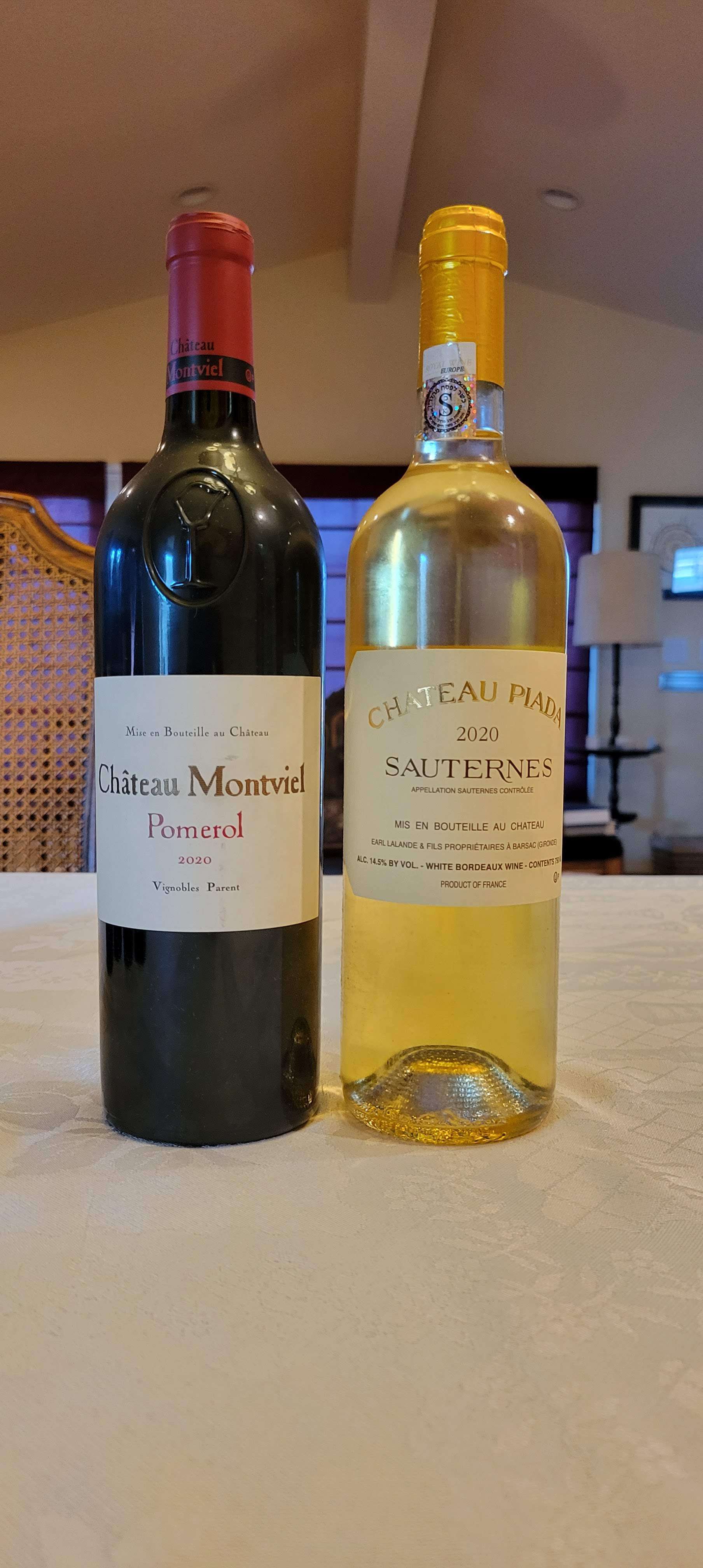
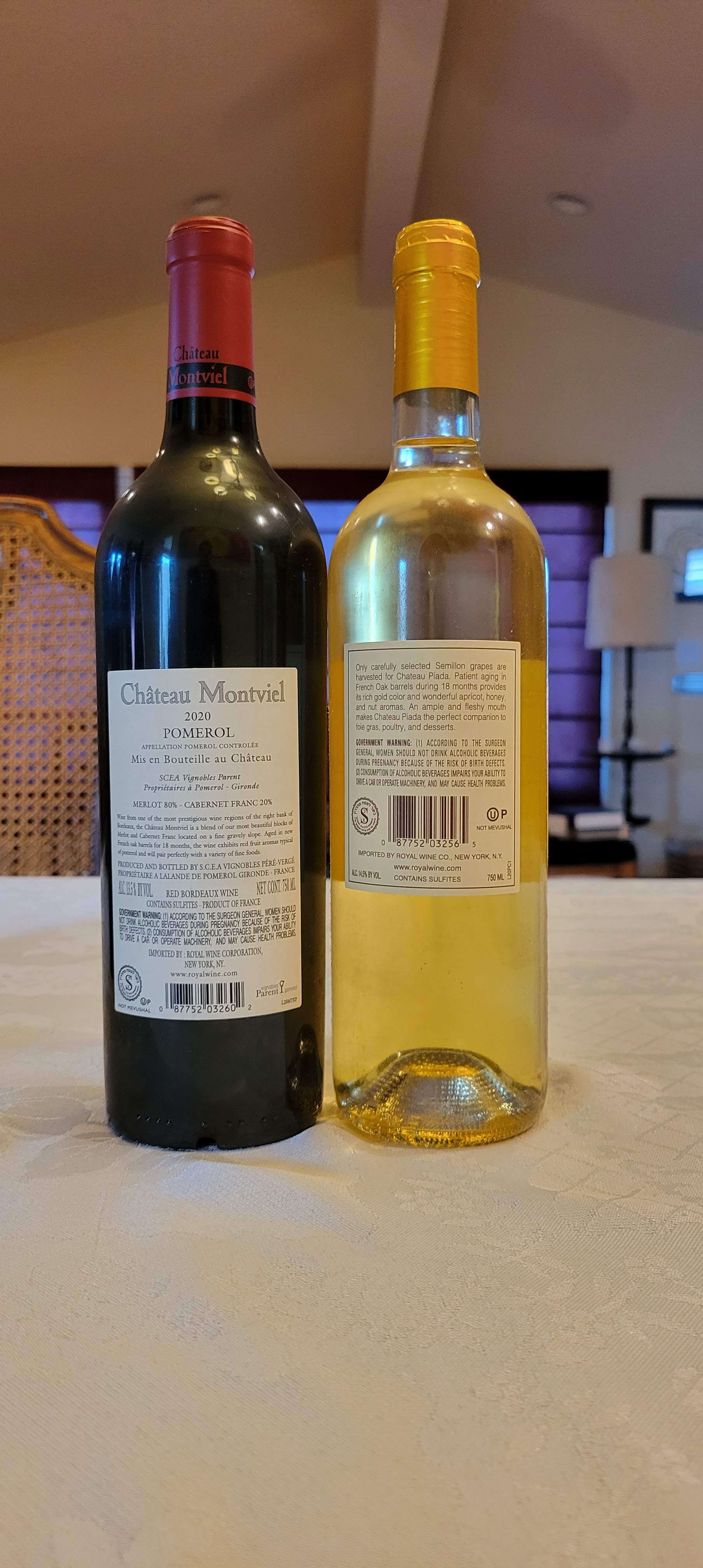

2020 Chateau Montviel, Pomerol – Score: 93 (QPR: WINNER)This wine is a blend of 80% Merlot and 20% Cabernet Franc. The nose of this wine is incredible, this is what I dream about when I smell wine, dirt, earth, smoke, loam, elegance, fruit, and mushroom, yum!!! The mouth of this full-bodied wine is balanced and soft, it comes at you in layers, showing raspberry, plum, rich loam, earth, sweet spices, and forest floor, all wrapped in a silky and elegant plush mouthfeel, with lovely acidity. It is a silky seductress. The finish is long, green, herbal, dirty, loam, and more forest floor that really comes out, with sweet tobacco, dry meat, and lovely green notes. Bravo!!! Drink from 2025 until 2034. (tasted September 2022) (in San Jose, CA) (ABV = 13.5%)
Share This:
Like This:
Israeli Wine, Kosher Dessert Wine, Kosher French Wine, Kosher Red Wine, Kosher Rose Wine, Kosher Sparkling Wine, Kosher White Wine, Kosher Wine, QPR Post, WineAllegory, Blanc, Blue C, Bro Deux, Brut Nature, Cabernet Franc, Cabernet Sauvignon, Camellia, Carte D’Or, Champagne, Chateau Montviel, Chateau Piada, Covenant Israel, Darom, Drappier, Flam Winery, Grenache Blanc, ice wine, Israeli Journey, Jezreel Winery, Late Harvest, Laufer, Ma'ayan, Meritage, Mount Amasa, Nebbiolo, Or de la Castinelle, Pinot Noir, Red, Rose, Rose de Saignee, Rutherford District, Sauternes, Shirah Winery, Tokaji, Vitkin Winery, White, Yatir Winery, Zero Dosage -
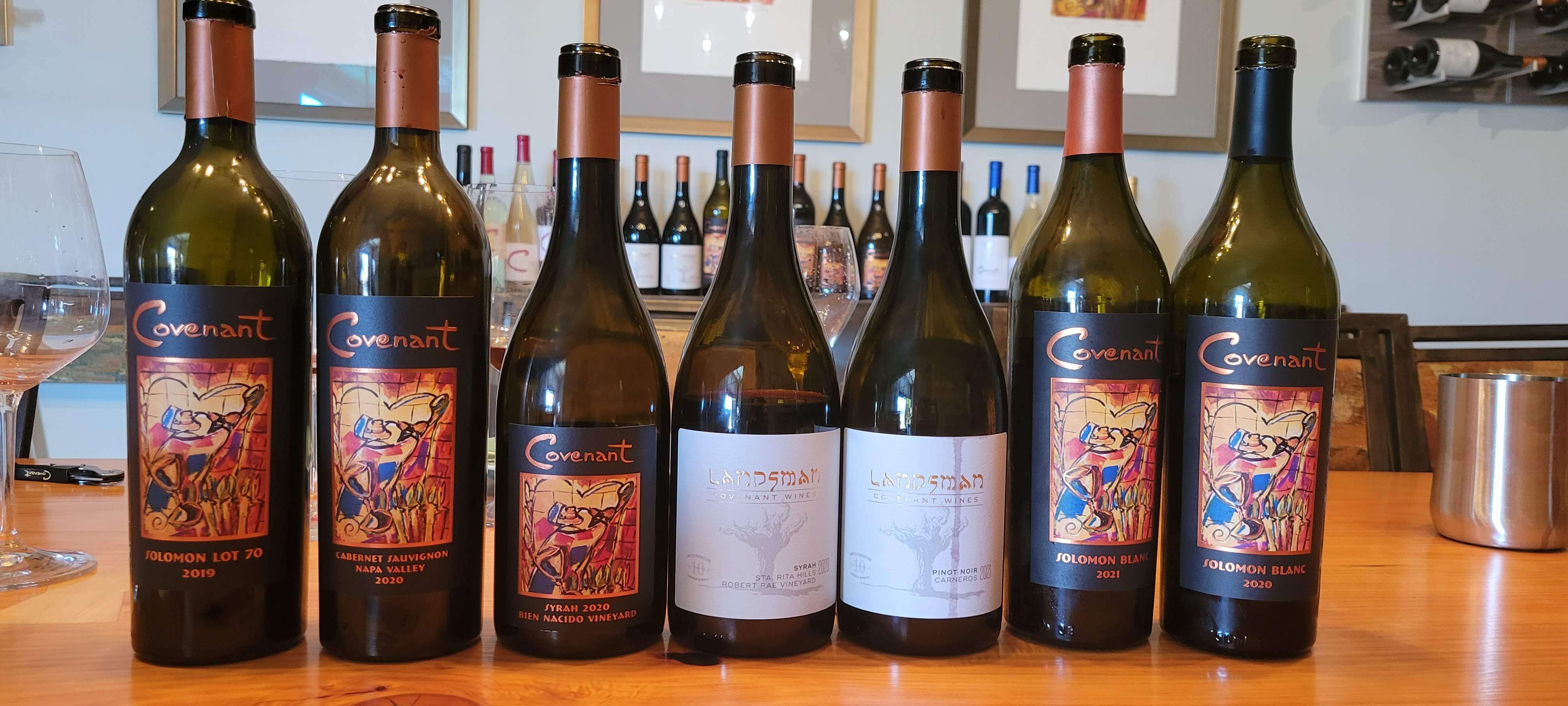
Covenant Wines’ latest releases – September 2022
Last week, California was overrun by a nasty heatwave, besides breaking records and driving me and everyone else crazy, it meant my entire week was open as mountain climbing was off the table. That left lots of time to go see Jeff Morgan (founding winemaker and co-owner of Covenant Wines) and family (Jodie and Zoe), literally, and Jon Hajdu at Covenant Wines. They were already taking in fruit for the 2022 harvest and it was extremely kind of them to carve up some time for me during this busy time of year.
I remember well the time I was in Canada with Jeff for a vertical tasting of all the Covenant Cabernet, at that time, it was a wonderful experience and tasting! I have said many times, that Covenant Winery is one of the original California wineries that makes solid wines, especially in the Cabernet Sauvignon space. I found some of the wines taken a step back in recent years. The white wines were always enjoyable, like the Sauvignon Blanc and the Lavan white, but that changed recently from what I see in this tasting.
Tasting
I was at the winery in March for a local RCC (Rosh Chodesh Club) and I got to taste one of the wines but it was not a setting to write notes and appreciate wines. I do remember the wines we had and one wine, in particular, did not show nearly as nicely as it did at our tasting last week. So, I am happy for many reasons to have driven up to Berkeley, CA to taste the 7 wines. All of them were quite enjoyable.
First, we tasted the Covenant Solomon Blanc a new white wine on the Covenant label and the only white wine on the Covenant Solomon level. The 2020 Covenant Solomon Blanc was the wine I tasted back in March and it showed far superior last week. It finally came out of its shell and had fully integrated with the sweet oak, it was a lovely wine indeed! The 2021 vintage, which was newly bottled was a drop better, showing a bit more acidity and an overall complex mouthfeel that did remind me of the 2019 Chateau Gazin Rocquencourt, Blanc. Both showed lovely gooseberry and ripe fruit but also bracing acidity and controlled yet lovely oak, very well made.
After the lovely Sauvignon Blanc wines, we moved to another white wine the 2021 Covenant Lavan, Chardonnay. I am being honest here, I have been falling into the new version of ABC (Anything But Chardonnay). It is new but old, the same old same old, fat, blubbery, overoaked, under-acidified, flat wines. ABC was a thing in 1995 when the MY Times wrote a piece on it and it is coming back with a vengeance again. Much akin to the date juice fiasco in the kosher wine market, Chardonnay is also moving to its old roots and they are being made into oak-driven apple juice that is honestly boring and uninteresting. Thankfully, we have been saved by the two incredible Burgundy Chardonnays for the Meursault region, by Taieb Wines, and by IDS. Those wines are clean and correct, they speak to the place and the time they were made. So, when I had the lovely Sauvignon Blanc wines it further solidified my belief in what I desire, clean and well-made ABC wines. With that as a disclaimer, the 2021 Covenant Lavan Chardonnay, was properly made. It was well balanced and showed a fruit focus that would make an ABC drinker, like myself, enjoy and drink the wine.
Five Red Wines
After the three white wines, we moved the line along to 5 red wines. In some ways, white wine is harder to make than red wine. White wine has fewer places to hide as a winemaker though I am far harsher, as a wine taster, in the land of red wine, simply because I am sick and tired of lazy winemaking or worse, purposeful and mindful winemaking that removes the grapes from their natural state of being and place to make fruit juice that is sweetened by whatever actions the winemaker has in his/her arsenal that week. Wineries will tell you it sells better but to me, that is just selling out and I have no time or interest in tasting wines like that. So, when I see 5 red wines, I am thinking, like I always do, even in Europe, I hope there is a desire here to let the fruit talk. Sure enough, the team has pulled the winery along into an impressive place where you can find some lovely wines and even some that garner the QPR WINNER score along with quality scores that make me want to buy and drink the wines. Bravo!
The first wine was a lovely Pinot Noir from under the Landsman label. The 2021 Landsman Pinot Noir had just been bottled and it showed no bottle shock. The lines on this wine were clean, with red juicy fruit, floral, earthy, and smoky. No baby fat, just clean lines, and good fruit. Nice! Another WINNER from the Carneros wine region in Sonoma County. Carneros has the moderating influence of the San Pablo Bay, the northern portion of the greater San Francisco Bay, which keeps Carneros cool and windy, but not too cold. We then moved to two Syrah followed by two Cabernet Sauvignon, the flagship wines of the winery.
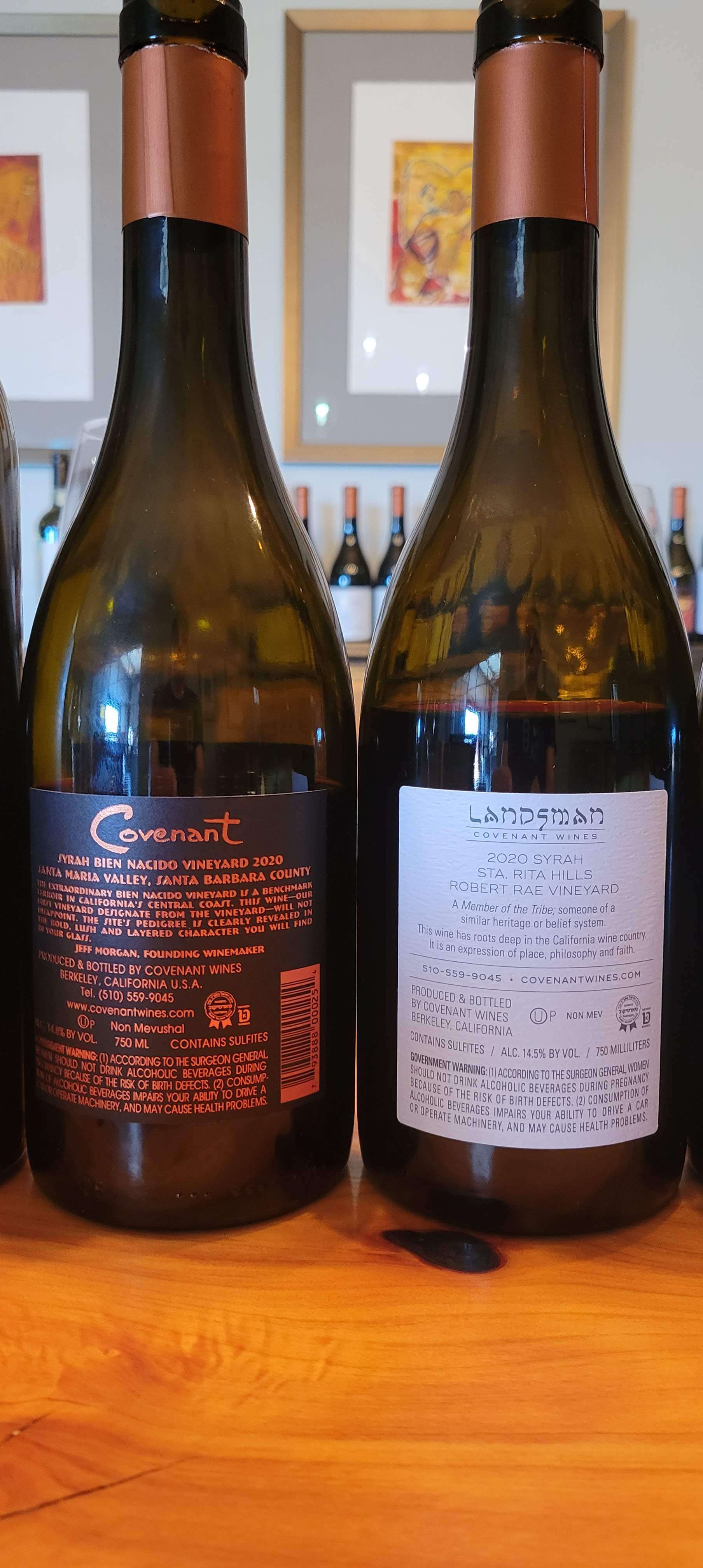
The first Syrah was the 2020 Landsman Syrah, Santa Rita Hills, Robert Rae Vineyards. This was a new one for me, I was unaware that Syrah grew well in the Santa Rita wine region. Of course, I love the Santa Rita Pinot Noir from the Herzog Reserve line and their more exclusive Eagle’s landing wine lines. So, when I tasted the Landsman Syrah from 2020, I was not surprised to find it more of an old-world style wine than the next wine we would be tasting. The Landsman Syrah reminded me of the Shirah Syrah from 2013, a dirty, earthy, smoky, meaty animal that was more old-world than new from Santa Barbara County. This wine is comparable if not a bit better, here the fruit is more controlled, yet very present, focused, and precise, I bought what was left – one bottle, maybe Jeff or Sagie can scrounge another one or two up. Either way, lovely wine!
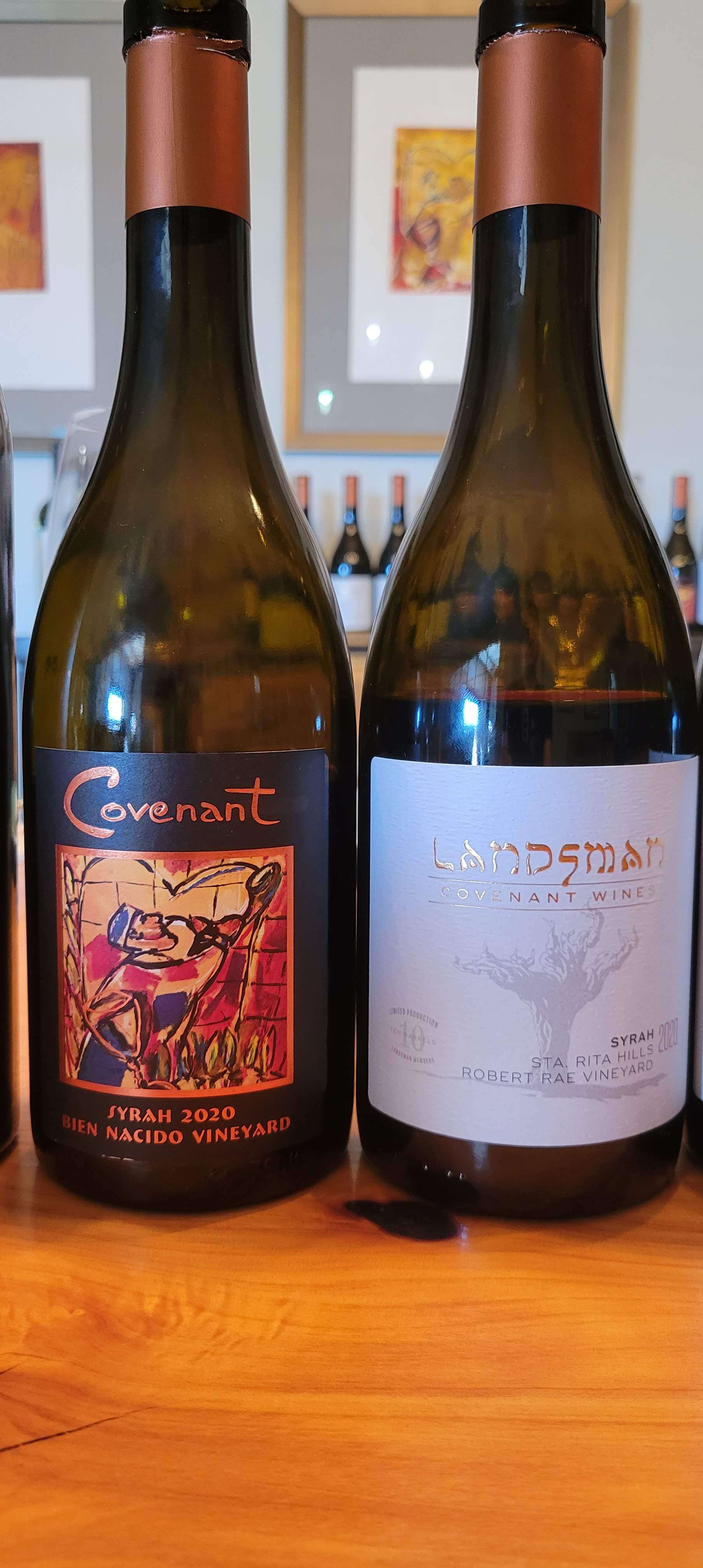
Finally, we tasted a new wine on the Covenant label, the 2020 Covenant Syrah, Bien Nacido Vineyard, Santa Maria Valley, Santa Barbara County. This is one of the most famous vineyards in Santa Barbara County, very difficult to get into and even tougher to keep. In 2020 some folks were too worried about smoke damage and bailed on their allocations. Covenant found out about the availability and jumped on it, there is no smoke taint on this wine, it is smoky, but from the lovely french oak used to age the wine. A lovely wine, one that is balanced, but a bit too new-world for my taste. This is a perfect example of how new-world wine can be made to its place and its fruit without turning it into an abomination. Here the team took beautiful fruit and let the fruit speak to its true nature, lovely! Hopefully, there will be more of this wine being made, it shows great potential.
Two big yet elegant Cabernet Sauvignon wines
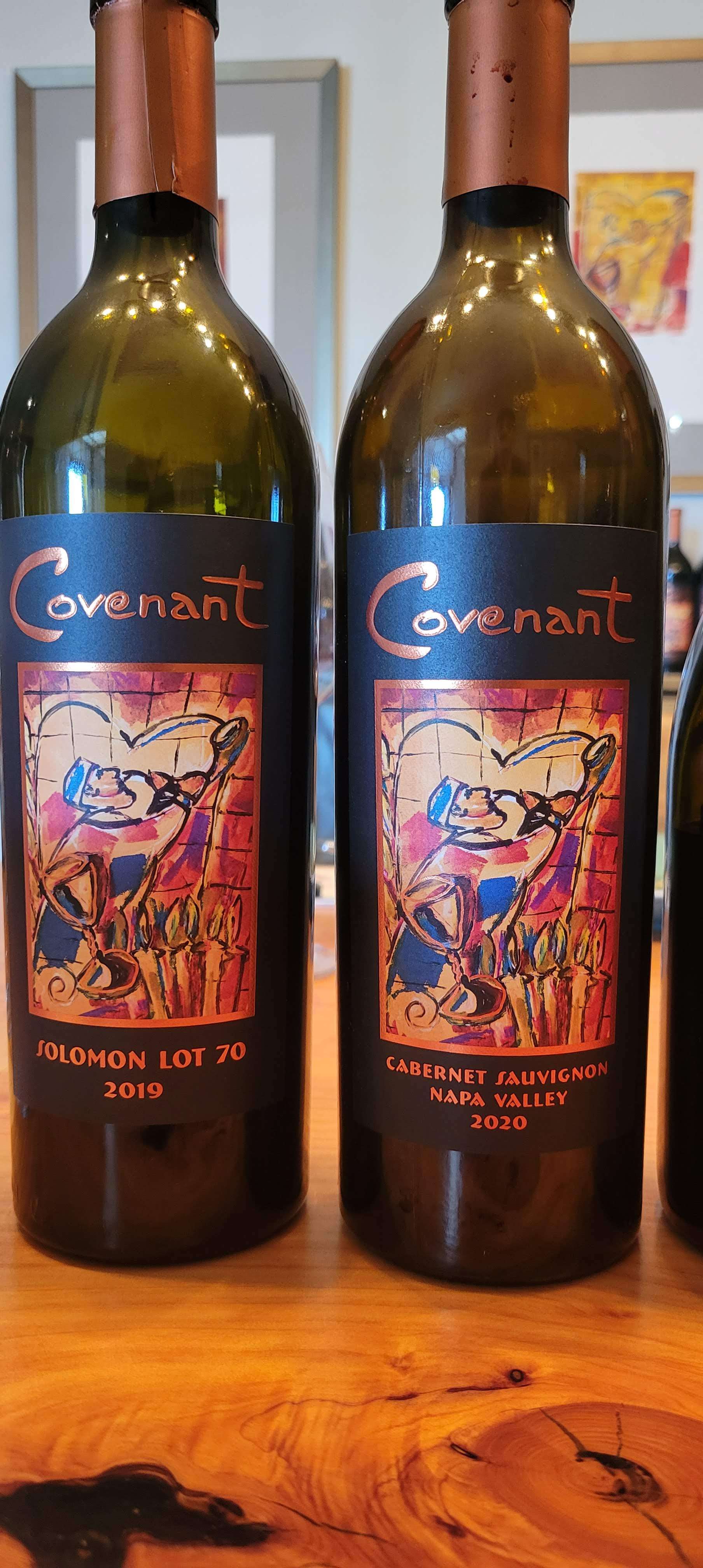
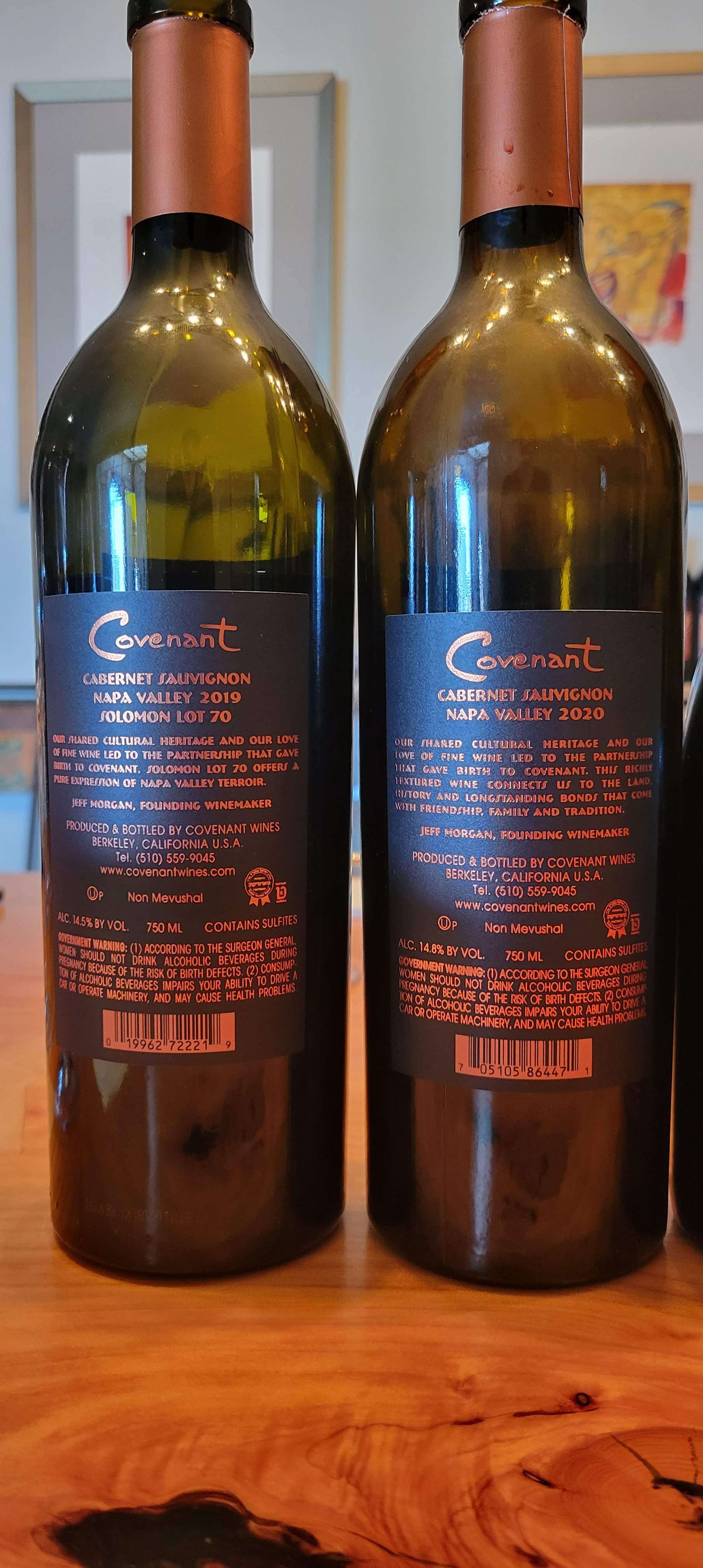
The tasting ended with two lovely Cabernet Sauvignon wines from Napa Valley, the Covenant Cabernet Sauvignon, and the Covenant Solomon, Lot 70. I claimed, in a previous post, that the crown for the best red 2019 kosher wine had been given to Chateau Smith Haut Lafite, with the disclaimer that I had yet to taste the Four Gates or Domain Roses Camille wines yet. I should have added that I had also not yet tasted the 2019 Covenant Solomon, Lot 70. The Solomon, as nice as it was, did not eclipse the Chateau Smith Haut Lafite or the Chateau Pontet Canet, but it is indeed up there on the list of top wines of 2019.
The two Cabernet wines were quite lovely though the Solomon was a step above the Covenant Cabernet Sauvignon. The Solomon was so elegant, powerful, and yet precise, with great fruit focus and control, quite a lovely wine that deserves your attention and a place in your wine cellar for many years from now! I say that, but Mr. Morgan will tell you it is just lovely now as well, and while I wholeheartedly agree with him, get a few and enjoy one now, if you must, and then enjoy the rest later!
My many thanks to Jeff Morgan, Sagie Kleinlerer, Jonathan Hajdu, and the rest of the Covenant team and family for setting up the meeting, sharing their wines with me, and taking time out of their busy harvest schedule to meet with me. The wine notes follow below in the order they were tasted – the explanation of my “scores” can be found here and the explanation for QPR scores can be found here:

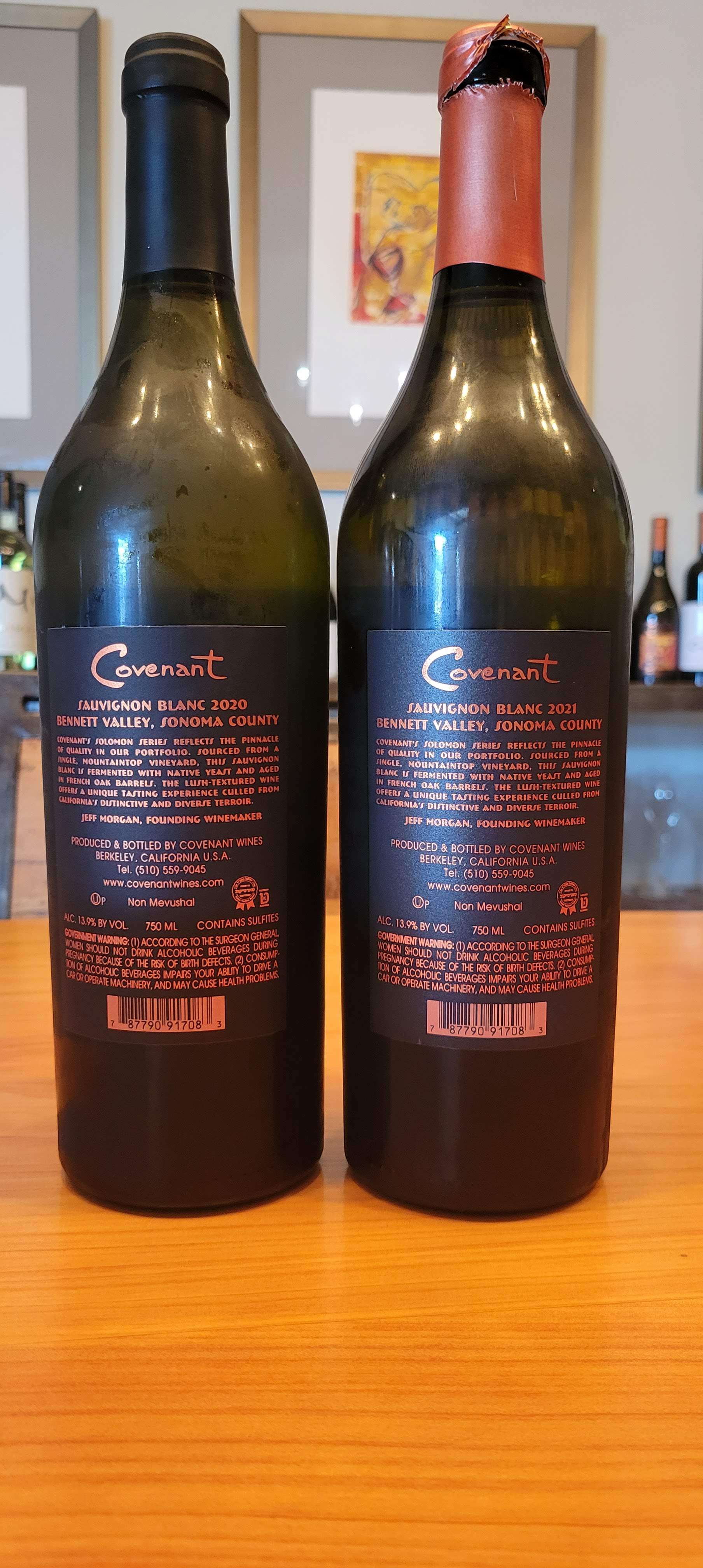

2020 Covenant Solomon Blanc, Bennett Valley, Sonoma County, CA – Score: 92.5 (QPR: WINNER)This wine is from the Moaveni Vineyard, in Bennett Valley, Sonoma County. The nose of this wine is a perfect blend of sweet oak and sweet fruit, showing lovely peach, apricot, bright fruit, green apple, sweet orange marmalade, orange blossom, sweet melon, and sweet Asian pear. The mouth of this medium-plus-bodied wine is incredibly fun, with screaming acidity, lovely minerality, and so refreshing, with lovely sweet oak, lovely green apple, orange marmalade, yellow Asian pear, peach, apricot, and cloves. The finish is long, tart, and balanced, with sweet fruit, incredible balance, loam, flint, and lovely sweet smoke and orange peel. Drink by 2027. (tasted September 2022) (in Berkeley, CA) (ABV = 13.90%)
Share This:
Like This:
-
An uninspiring list of new wines from France, Israel, and the U.S.A
The past 10 days have been sheer hell in California and I should have posted these wines already as mountains are not an option to climb in these temps. These 11 wines are not QPR WINNER wines, they all fell short for many differing reasons, but the ultimate issue continues to revolve around a lack of balance and a lack of acidity. Even the vaulted Pacifica Riesling, a wine I have liked over many iterations fell short with the 2021 release, which was unfortunate.
As usual, my QPR posts are a hodgepodge of wines and normally we have some nice QPR (Quality to Price Ratio) wines. This post sadly highlights no new QPR WINNER.
If there was a wine to kvell about I would happily do it but sadly there is none among these 11. Please look forward to my next post – that one will have a wonderful list of QPR WINNER and all 91+ wines, coming from a winery we all know well here in California.
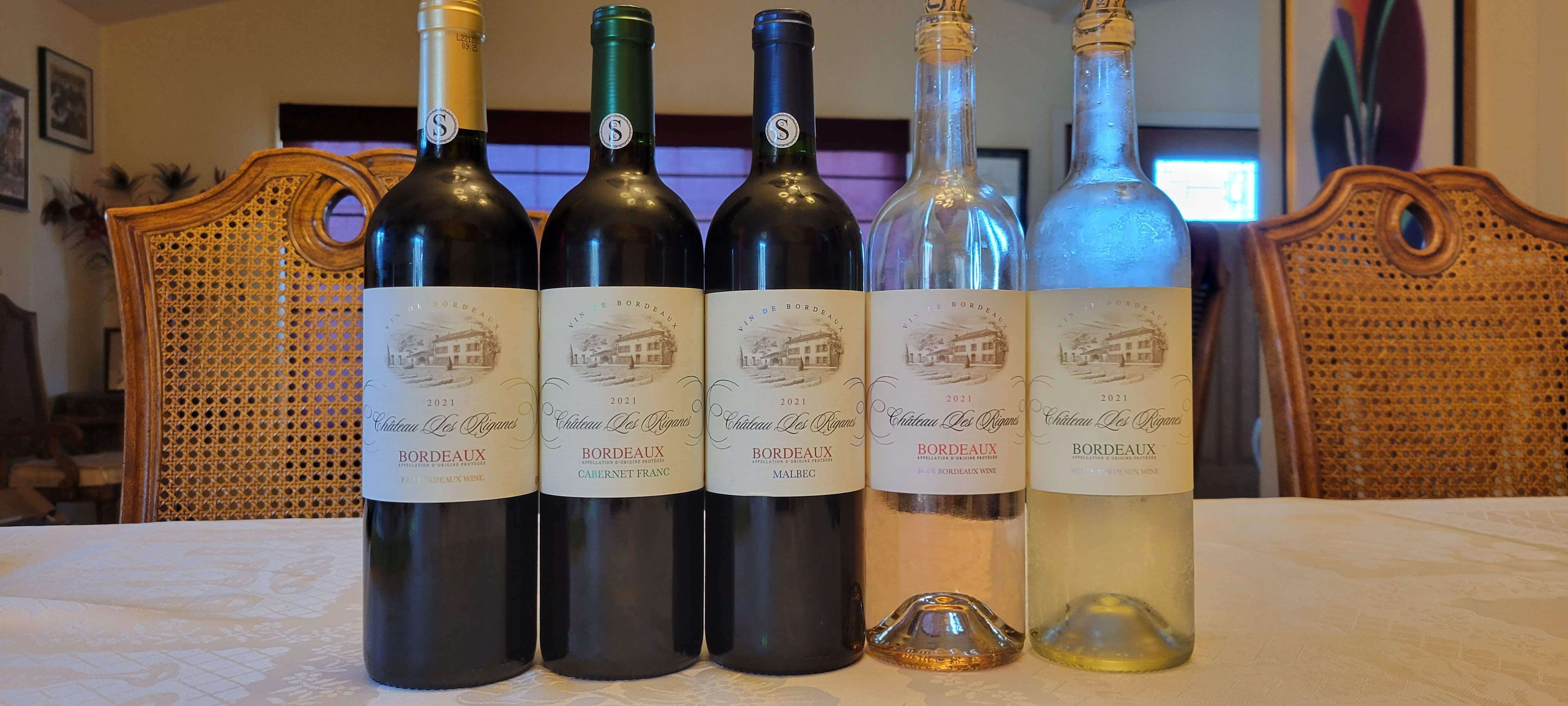
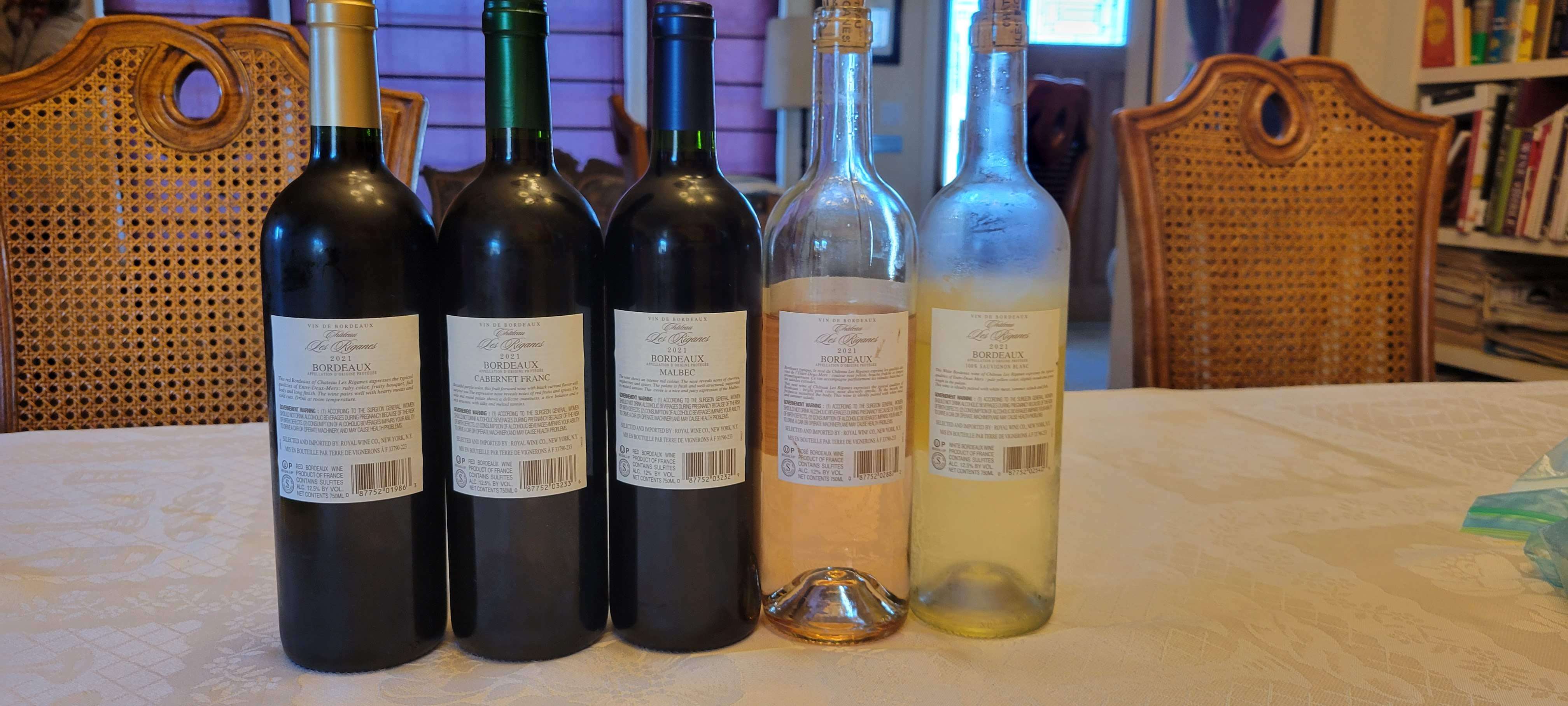
Sadly, this was the new full release of the 2021 Chateau Riganes, with the usual white, rose, and blend. This year they added single varietal bottles, of Malbec and Cabernet Franc. IMHO, this was the least interesting release of these wines in some years.
The wine notes follow below – the explanation of my “scores” can be found here and the explanation for QPR scores can be found here:
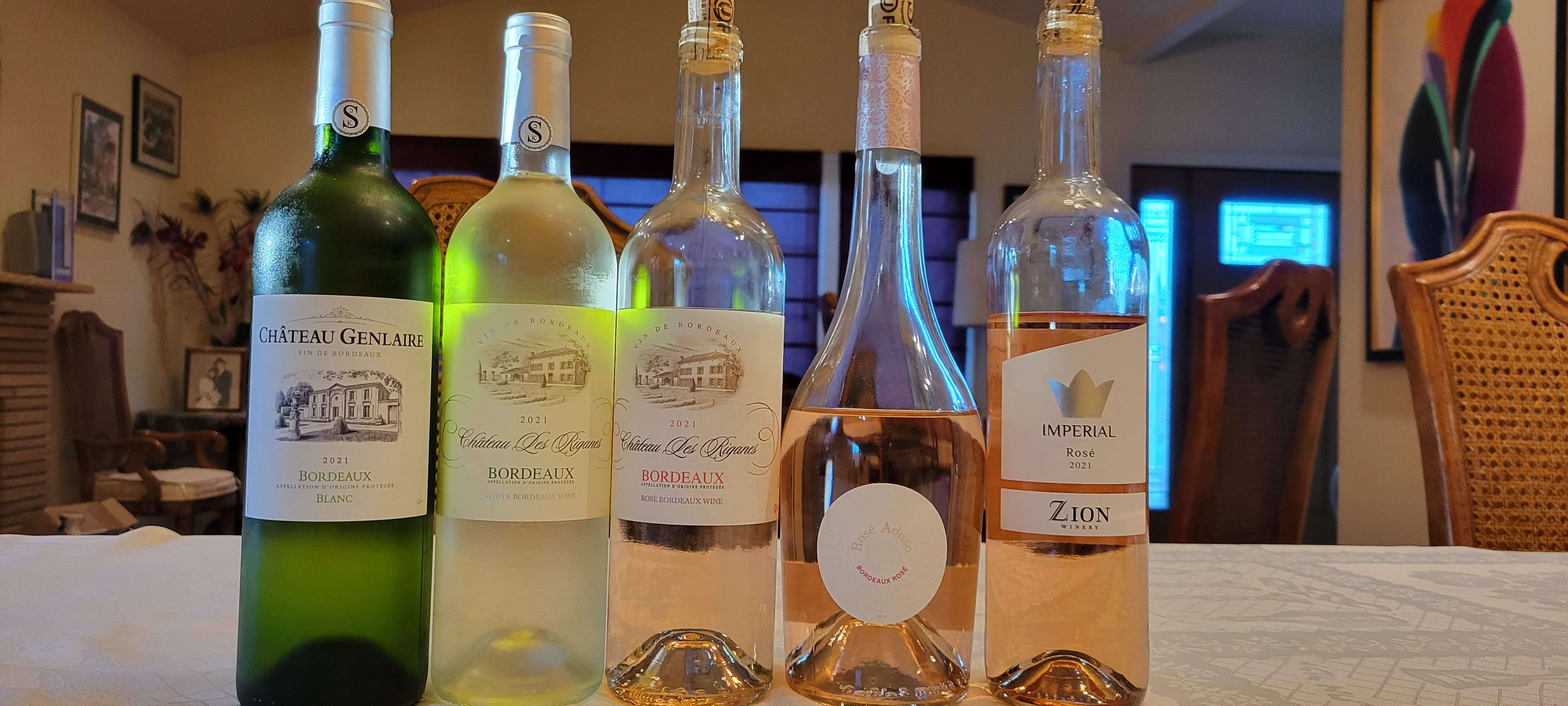
2021 Zion Rose, Imperial, Israel (M) – Score: 86 (QPR: GREAT)This wine is made of Grenache and is off-dry. The nose of this wine is nice, it shows sweet notes, and clear RS, with raspberry, jasmine, peach, guava, cherry, and sweet fruit. The mouth of this medium-bodied rose is sweet, with balancing acidity, ripe fruit, sweet cherry, raspberry, guava, peach, and nice honey. The finish is long, sweet, but balanced with fruit, and not much else. (tasted August 2022) (in San Jose, CA) (ABV = 12%)
Share This:
Like This:
Kosher French Wine, Kosher Red Wine, Kosher Rose Wine, Kosher White Wine, QPR Post, Wine, Wine Tasting -
Aging Wines, Worth the Wait?
Share This:
Like This:
-
Another round of QPR (Quality to Price Ratio) Hits and Misses, Seven QPR WINNERS – August 2022
OK, with all the Paris wine notes posted, the latest roses posted, and Herzog’s wonderful wines, I am finally at the finish line. This last batch of notes catches me up just in time before the next round of wines shows up. As usual, my QPR posts are a hodgepodge of wines but thankfully we have some nice QPR (Quality to Price Ratio) wines.
QPR (Quality to Price Ratio) Wines
It has been two months since my last QPR (Quality to Price Ratio) post and many people have been emailing me about some unique wines I have tasted and some lovely wines that are worth writing about.
Thankfully, no matter how much garbage and pain I subject myself to, we are still blessed with quite a few wonderful QPR wines out there. This post includes some nice wines and some OK wines with the usual majority of uninteresting to bad wines.
The story of 2021 Israel whites and roses is very unfortunate, it started with a bang. Matar and a couple of others showed very well. Sadly, after that, every other white and rose wine from Israel was not as impressive. They all show middling work and product, very disappointing indeed. Thankfully, this round has three Israeli WINNERS and two from the 2021 vintage. There is an 8th WINNER here but it is here for documentation purposes and not for advice on what to buy, as it is not available anymore. That being the 2012 Chateau Serilhan.
We have a nice list of QPR WINNERS:
- 2012 Chateau Serilhan Cru Bourgeois, Saint-Estephe (Posted as I have never posted this yet, strange)
- 2021 O’Dwyers Creek Sauvignon Blanc, Marlborough – A perennial WINNER
- 2021 Castel La Vie Blanc Du Castel, Judean Hills – Finally a 100% Sauvignon Blanc and it is lovely!
- 2021 Sheldrake Point Riesling, Dry, Finger Lakes, NY – A lovely 2nd vintage
- 2021 Sheldrake Point Gewurztraminer, Finger Lakes, NY – Another lovely 2nd vintage as well
- 2021 Golan Heights Winery, Yarden Sauvignon Blanc, Galilee – A nice wine
- 2019 Netofa Latour, Red, Galilee
- 2020 Terra di Seta Chianti Classico, Chianti Classico – Perenial winner
There were also a few wines that are a slight step behind with a GREAT or GOOD QPR score:
- 2021 Cape Jewel Chenin Blanc, Reserve Collection – one of two wines that shocked me as I expected PAIN
- 2021 Unorthodox Sauvignon Blanc, Paarl – the 2nd shocking wine in this tasting
- 2020 Dalton Sauvignon Blanc, Reserve, Galilee
- 2021 Golan Heights Winery Sauvignon Blanc, Gilgal – not as good as his bigger brother
- 2021 O’Dwyers Creek Chardonnay, Marlborough
- 2021 Capcanes Peraj Petita, Montsant – one of the best Petita since 2015, still not a WINNER like in 2015
There are a few wines that got a QPR Score of EVEN – meaning expensive or average:
- 2021 Vitkin Israeli Journey, White, Israel
- 2021 Gush Etzion Gewürztraminer, Judean Hills
- 2021 Yaffo White, Judean Hills
- 2019 Ramon Cardova Rioja, Rioja
- 2020 Capcanes Peraj Ha’abib, Montsant – nothing interesting but better than previous vintages
- 2020 Domaine du Castel Lavie, Rouge du Castel, Jerusalem Hills
- 2016 Vitkin Cabernet Franc, Galilee – Drink up!
- 2018 Vitkin Carignan, Judean Hills – Drink up!
The others are essentially either OK wines that are too expensive, duds, or total failures:
- 2016 Vitkin Shorashim, Israel – a nice enough wine but the price is crazy
- 2020 Flam Cabernet Sauvignon, Reserve, Galilee
- 2020 De La Rosa Taryag Gruner Veltliner, Burgenland
- 2020 De La Rosa Chai 18 White Welsch Riesling, Burgenland
- 2021 Unorthodox Chenin Blanc, Coastal Region
- 2021 J. De Villebois Pouilly Fume, Loire Valley – so sad after last year’s lovely vintage
- 2021 Odem Mountain Chardonnay, Volcanic, Galilee
- 2016 Laufer Cabernet Sauvignon, Special Reserve, California – ripe oak juice
- 2021 Golan Heights Winery Mount Hermon White, Galilee
Some things that made me stand up and take notice (AKA QPR WINNERS):
The real WINNER here, from the entire list, is the 2012 Chateau Serilhan Cru Bourgeois, Saint-Estephe (posted as I have never posted this yet, for some strange reason), but of the available wines that would be the 2021 O’Dwyers Creek Sauvignon Blanc, Marlborough. The 2020 O’Dwyers Creek Sauvignon Blanc, Marlborough ran out very quickly, I guess that there was not much available or made, as it was right at the start of COVID! The crazy story of how it all came together.
So happy to see Castel finally dropped the Gewurztraminer from their La Vie Blanc Du Castel the solo Sauvignon Blanc is lovely!
Talking about Gewurztraminer, the 2021 Sheldrake Point Riesling and Gewurztraminer from the Finger Lakes shows one can make lovely and reasonably priced wines from the Finger lakes. Bravo Ari!
Nice to see a Yarden wine on this list again, other than the LOVELY sparkling wines, the 2021 Golan Heights Winery, Yarden Sauvignon Blanc hit on all marks.
The last two wines are red and while I loved the 2019 Netofa Latour, Red at the start, it seemed to fall off a bit and that is unfortunate. Finally the 2020 Terra di Seta Chianti Classico, Chianti Classico is not as good as the 2019 vintage but still a solid wine.
Other wines of note (AKA QPR GREAT or GOOD):
The fascinating wines from this list were the South African wines, the 2021 Cape Jewel Chenin Blanc, Reserve Collection, and the 2021 Unorthodox Sauvignon Blanc, Paarl. I had zero expectations for these wines, so they were a nice find.
The rest are just good enough wines, mostly well priced but not interesting to drink.
Wines that are either good but too expensive or average (AKA EVEN):
This list is also boring, the only real wine to call out, is the 2020 Capcanes Peraj Ha’abib, Montsant, nothing interesting but better than previous vintages. The same for the Peraj Petita in the category above.
The rest of the wines are not interesting to me and are on this list because of either quality or price.
Wines that are either OK but far too expensive or bad wines (AKA POOR/BAD):
Like on previous versions of these lists there will always be a nice scoring wine that is so expensive it falls into this QPR list. That would be the 2016 Vitkin Shorashim, Israel – a nice enough wine but the price is crazy.
There are also, many duds to losers and I will just leave you to peruse the names and scores down below.
Roundup
Overall another nice list of QPR WINNERS and some GREAT options as well. I can always look at these kinds of lists and say there are only 7 or 8 wines I would want to buy from this entire list, but that would be a defeatist attitude. The correct way to classify this list is we have 7 or 8 more wines available to us and in the end, as I have stated many times now, I cannot buy all the WINNER wines even if I wanted to. There are just too many good wines out there and that is what we should be focused on!
The wine notes follow below – the explanation of my “scores” can be found here and the explanation for QPR scores can be found here:
Older Wines that I have not posted (or revising):
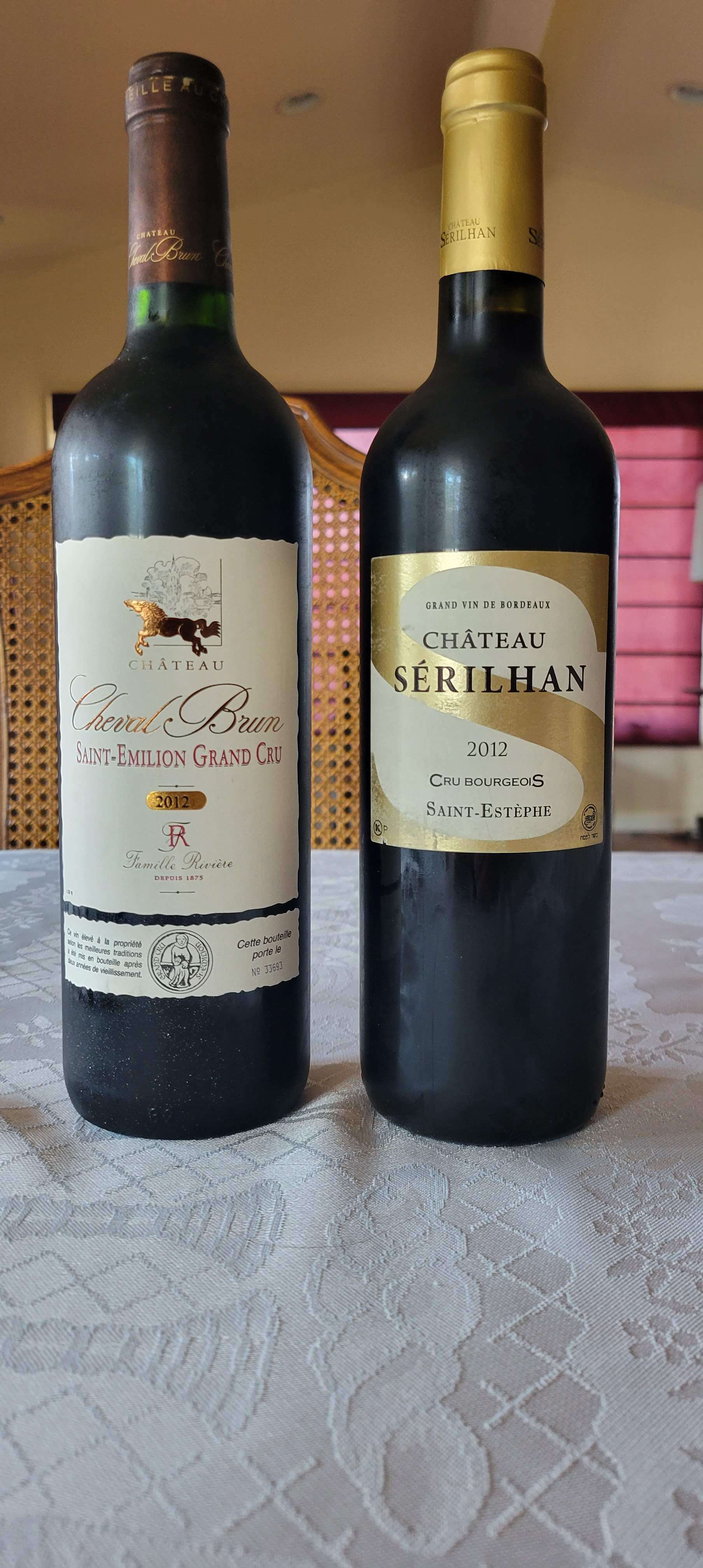

2012 Chateau Serilhan Cru Bourgeois, Saint-Estephe – Score: 93+ (QPR: WINNER)This wine is a blend of 57% Merlot, 35% Cabernet Sauvignon, and 8% Cabernet Franc, The nose of this wine is lovely, deeply mineral-driven, with intense rock, graphite, charcoal, ripe black fruit, balancing tart raspberry, red plum, sweet spices, and sweet oak. The mouth of this medium-plus bodied wine is rich, layered, and well-balanced with great acidity, freshly tilled earth, mineral, smoke, hints of barnyard, mushroom, and truffle, followed by ripe blackberry, plum, dark tart raspberry, smoke, and beautiful fresh wine approach – bravo! The finish is long, dark, green, ripe, but well balanced, with smoke, tobacco, dark chocolate, and lovely mushroom, with tertiary notes soon approaching. This wine was opened too early, such is life, still very lovely and a wine I would open again in 4 years. Drink until 2029. (tasted July 2022) (in San Jose, CA) (ABV = 13%)
2012 Chateau Cheval Brun, Saint-Emilion Grand Cru – Score: 91+ (QPR: GOOD)This wine is a blend of 85% Merlot, 10% Cabernet Sauvignon, and 5% Cabernet Franc.The nose of this wine is another giant Brett bomb, with crazy mushrooms, rich green notes, earth, red fruit, smoke, and nice tar. The mouth of this wine is layered, ripe, and lovely, with nice elegance, showing blackberry, raspberry, mineral galore, graphite, earth, mushroom, and forest floor, The wine’s extraction has calmed down but the Brett and barnyard are in full gear.The finish is long and earthy, with mushroom, barnyard notes, rich tobacco, and tar. Bravo! Drink till 2025, maybe longer. (tasted July 2022) (in San Jose, CA) (ABV = 13%)
Share This:
Like This:
Blanc, Cabernet Franc, Capcanes, Cape Jewel, Cape Winelands, carignan, Chateau Cheval Brun, Chateau Serilhan, Chenin Blanc, Chianti Classico, Dalton Winery, Domaine du Castel, Gewurztraminer, Gilgal, Golan Heights Winery, La Vie, latour netofa, Netofa Winery, O’dwyers Creek, Peraj Ha’Abib, Peraj Petita, Reserve Collection, Riesling, Saint-Emilion, Saint-Estephe, Sauvignon Blanc, Sheldrake Point, Shorashim, Terra di Seta, Unorthodox, Vitkin Winery, Yarden Winery